
Last updated November 15, 2026
 Raised-panel steel
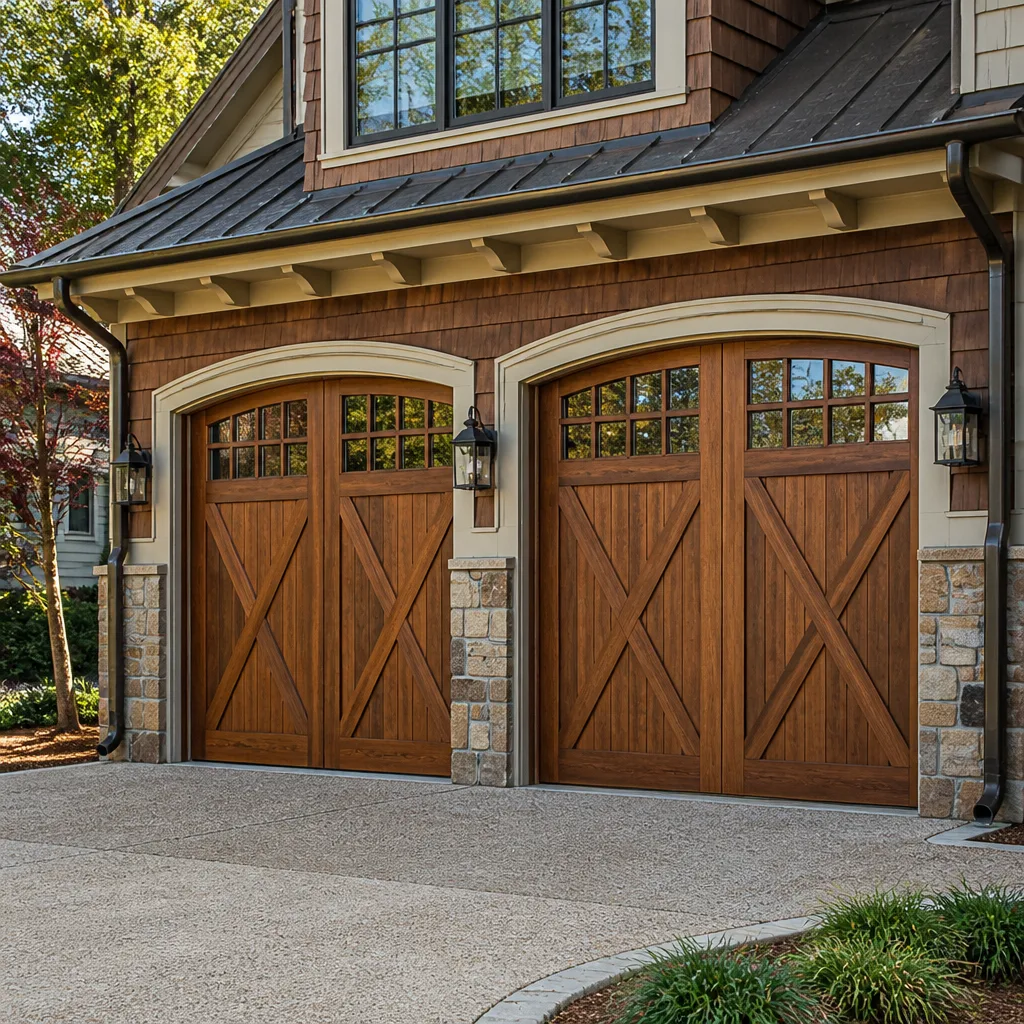 Carriage house
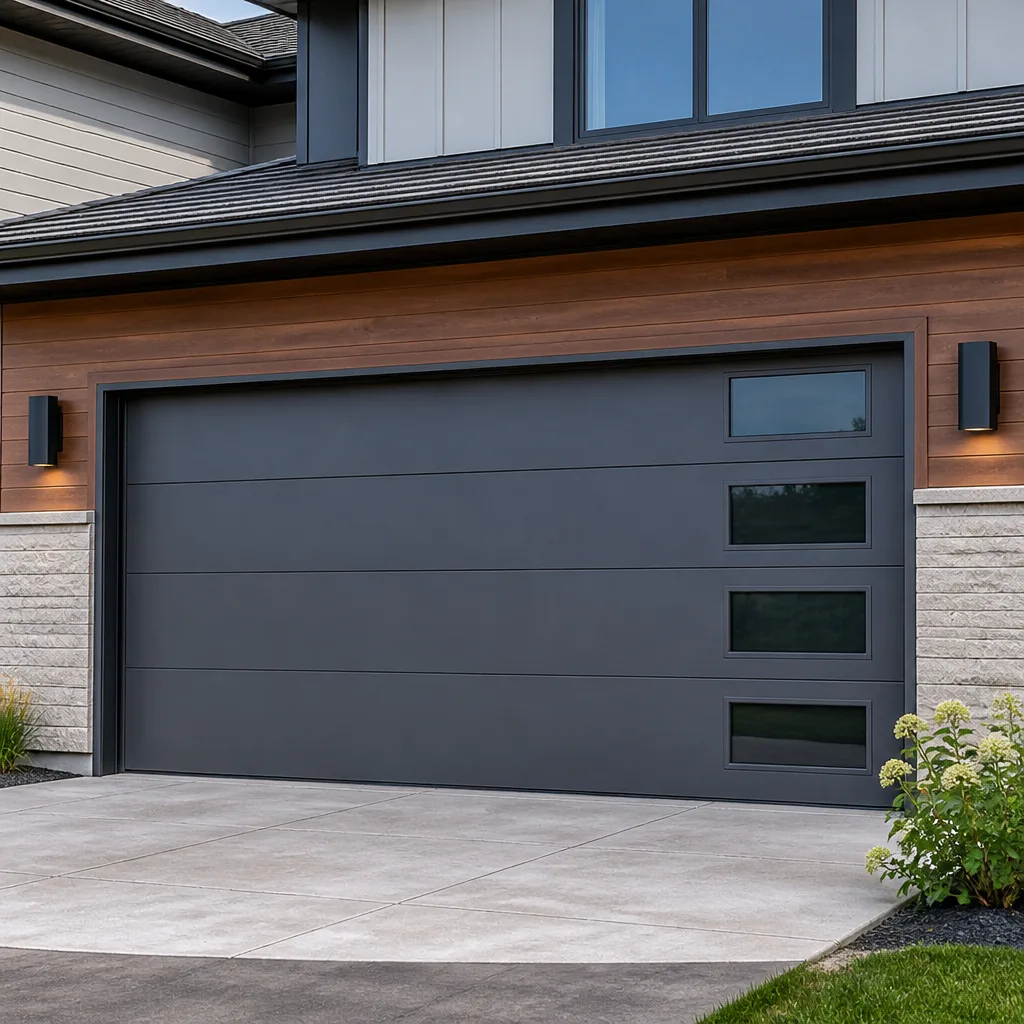 Modern flush
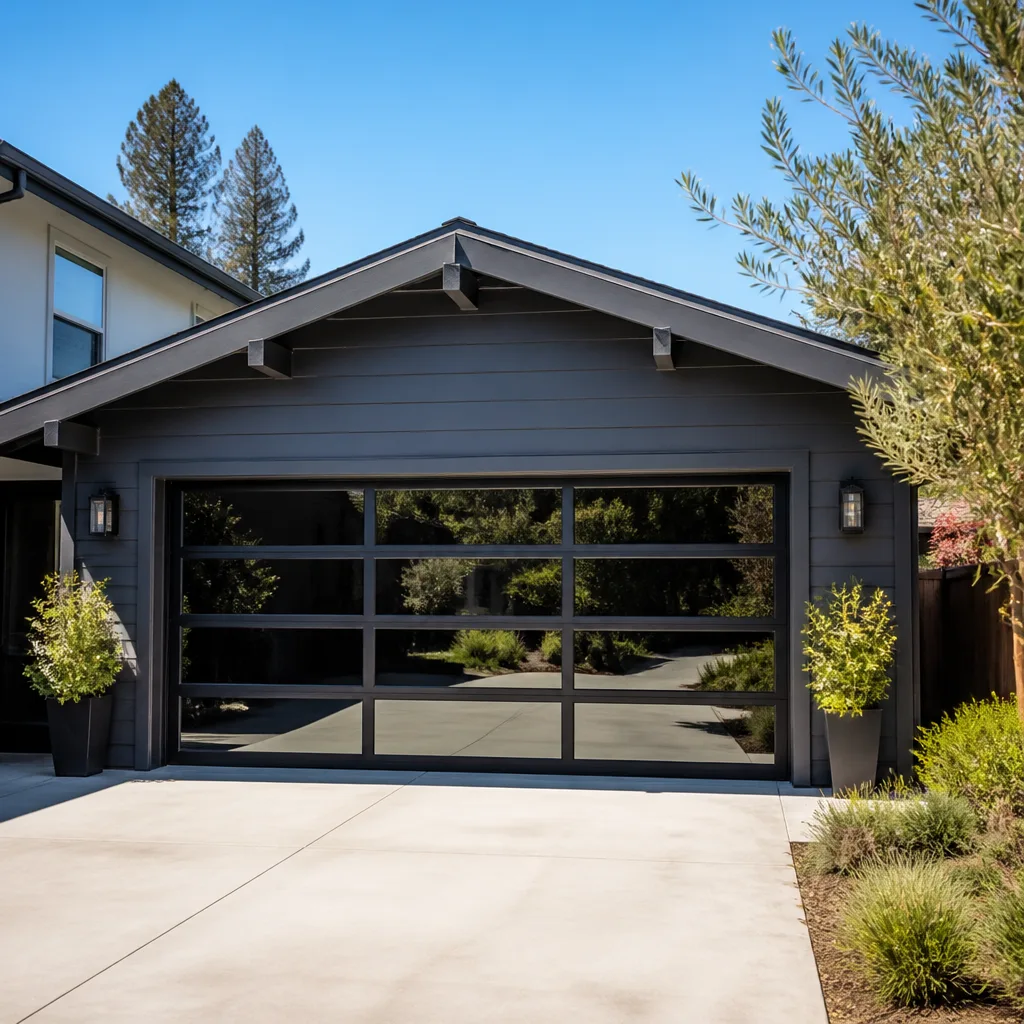 Full-view glass
 LiftMaster openers
 Chamberlain openers
Full 25-point door and opener safety check with every visit - springs, cables, rollers, tracks, and your LiftMaster or Chamberlain opener included
You get a price before we start. It does not change when the pro arrives.
Get your free estimateGarage Door Warning Signs: A Corpus Christi Homeowner’s Reference Guide
A garage door that hesitates for two seconds before closing isn’t just “getting old.” That pause is usually your opener’s safety sensor reporting that something is out of alignment, and in Corpus Christi‘s humid, salt-heavy air, that two-second delay has a predictable cause most homeowners never identify. The warning signs that matter here don’t match what generic guides describe. Doors in this city tend to fail in a specific sequence, and the homeowner who reads the early signals spends a small amount on a repair instead of a large amount on a replacement. This guide walks you through that sequence, sign by sign, so you can tell which problems give you a month to plan and which ones need attention this week.
Quick Answer
The most important garage door warning signs in Corpus Christi are spring corrosion, grinding or popping noises, opener hesitation or reversal, remote range loss, and panel warping or bottom-rail rot. Surface rust on springs, a door that reverses on its own, or a remote that only works up close need same-week service; cosmetic panel wear and minor squeaks usually allow a 30-day monitoring window. Any sign that involves the springs, cables, or the door coming down unevenly is a safety issue, not a maintenance item.
Styles & brands we work with
- Raised-panel steel
- Carriage house
- Modern flush
- Full-view glass
- LiftMaster openers
- Chamberlain openers
Table of Contents
- The Coastal Corrosion Failure Sequence
- What Each Noise Is Telling You
- Opener Behavior Flags: Hesitation, Reversal, and Range Loss
- Structural Warning Signs in the Door Itself
- 30-Day Monitoring vs. Same-Week Service
- Brand-Specific Quirks Worth Knowing
- A Seasonal Inspection You Can Do Yourself
- Common Mistakes to Avoid
The Coastal Corrosion Failure Sequence
Corrosion on a garage door in Corpus Christi doesn’t happen all at once. It follows a sequence, and each stage gives you a clear visual cue. Learning to read those cues is the single most useful skill a homeowner here can develop, because the difference between catching a spring at stage one and catching it at stage four is the difference between a modest repair and a full spring replacement.
Here’s how the sequence typically runs, from first sign to final failure:
- Dull finish and faint surface bloom. The spring’s coating loses its sheen and picks up a light, powdery orange film. This is cosmetic at this stage. A wipe-down and a coat of lubricant slows it.
- Pitting along the coil. Small dark spots appear where the coating has worn through. The spring is still sound, but moisture is now reaching bare steel.
- Flaking and visible rust scale. Rust lifts the coating in patches. The spring is weakening unevenly, and you may start to hear a faint twang or see the door sit slightly off-level.
- Hairline cracks at the coil ends. This is the danger zone. A spring at this stage can snap without warning, and a snapped spring sends the door down hard.
In our experience, the salt-humid air here accelerates each stage compared to drier climates, which is why we tell homeowners to look at their springs every few months rather than once a year. A spring that’s still at stage one or two can often be cleaned and lubricated. Once you see flaking or cracks, it’s time to stop monitoring and start planning a garage door repair. Springs are under extreme tension, and this is not a part to touch yourself. A trained technician has the tools and the know-how to replace them safely. If you’re unsure which stage your springs are at, that alone is reason to have someone look.
What Each Noise Is Telling You
Noise is the most misunderstood diagnostic tool a homeowner has. People tend to lump every sound into “the door is loud,” but grinding, squealing, popping, and rattling each point to a different part of the system. In a coastal climate, the humidity adds a layer to each one, because moisture changes how metal and rubber behave.
- Grinding usually means metal-on-metal contact, often worn rollers or a dry track. In Corpus Christi’s humidity, rollers that were fine last summer can seize and start grinding as the lubricant washes or wears away.
- Squealing points to a dry or failing bearing, most often at the rollers or the opener’s drive. A high-pitched squeal that shows up in the same spot every cycle is a bearing asking for attention.
- Popping is the sound of a torsion spring slipping or a cable jumping its drum. Treat popping as urgent. It’s one of the signs that can precede a spring failure.
- Rattling is usually loose hardware, a worn hinge, or a panel that’s worked itself free. It’s the least serious of the four, but left alone it can turn into a bent track.
The local twist is timing. A door that’s quiet in a dry spell and noisy after a humid stretch is telling you that moisture is reaching a joint or bearing. If you hear popping specifically, stop running the door and call. That sound is one of the few that we treat as a same-week, sometimes same-day, priority in Corpus Christi. For everything else, a trained ear on the phone can usually tell you whether it’s a lubricant job or a part replacement.
Opener Behavior Flags: Hesitation, Reversal, and Range Loss
Your opener is a computer as much as a motor, and it reports problems through behavior rather than sound. Three flags come up again and again, and homeowners often lump them together when they’re actually separate diagnostic categories. Understanding the difference helps you describe the problem accurately, which saves time and money.
Hesitation is a delay before the door moves after you press the button. It usually points to the safety sensors or a worn drive gear. If the sensor beam is misaligned, the opener pauses while it waits for a clear signal. A stripped gear in the drive, common on older units, makes the motor spin before the door catches. If your opener is a LiftMaster or Chamberlain, the safety sensors are the first thing to check. This is the two-second pause from the opening of this guide, and it’s usually a simple realignment rather than a failing motor.
Reversal is when the door starts down and then goes back up on its own. This is a safety system doing its job, but it’s telling you something is wrong. It can be a sensor obstruction, a misaligned track, or a door that’s binding on one side. A door that reverses intermittently is a genuine hazard, because the next time it may not reverse at all. Get it checked promptly.
Range loss is when the remote only works when you’re right in front of the door. This is almost always the opener’s antenna, the remote’s battery, or interference from something new in the garage. It’s rarely the motor itself. Modern smart openers add a fourth flag, connectivity dropouts, which is a separate issue from mechanical range loss and needs a different fix. Opener repair is its own discipline, and it’s worth having a specialist who works on garage door opener repair look at anything beyond a battery swap.
Structural Warning Signs in the Door Itself
The door panels and the bottom rail take the brunt of Corpus Christi’s humidity, and they fail in patterns you can spot from the driveway. The bottom rail is the first to go, because it sits closest to the ground where moisture collects. A rail that looks swollen, soft, or discolored is absorbing water, and once it starts to rot, it compromises the whole panel above it. Press a screwdriver handle gently into the rail and see if it gives. If it does, that section is gone.
Panel warping is the other structural flag. Look at the door from the side, ideally with the door closed, and check whether the panels line up or whether one bows out. Humidity causes wood and some composite panels to swell and warp, and a warped panel throws off the door’s balance. An unbalanced door strains the opener and the springs, so a warped panel is never just a cosmetic problem. You may notice the door rubbing on one side, or the gap at the bottom changing width from one edge to the other.
There are a few structural checks worth doing regularly:
- Look along the bottom rail for swelling, soft spots, or peeling paint.
- Stand to the side with the door closed and check panel alignment.
- Check the gap under the door for unevenness, which signals a balance problem.
- Look at the hinges for rust streaks or loose screws pulling out of the panel.
If you find rot, warping, or a balance issue, it’s worth having someone assess whether a repair will hold or whether replacement makes more sense. We work on what you already have, so the recommendation follows the condition of your door, not a sales target. For a door that’s failing structurally across several panels, a full Spencer Garage Door Repair assessment is the honest starting point.
30-Day Monitoring vs. Same-Week Service
One of the most useful things a homeowner can learn is which signs give you time and which don’t. Not every warning sign is an emergency, and treating a squeak like a crisis wastes money. But treating a popping spring like a squeak is how small problems become dangerous ones. Here’s how we sort them.
Signs that allow a 30-day monitoring window:
- A single squeak or minor rattle that’s consistent and not worsening.
- A remote that needs a fresh battery and then works fine.
- Cosmetic rust at stage one or two on the springs.
- A slightly uneven gap that hasn’t changed in weeks.
Signs that need same-week service:
- Popping, snapping, or a twang from the springs.
- Any sign of a cracked or flaking spring.
- A door that reverses on its own, even occasionally.
- A door that’s visibly off-level or binding on one side.
- Grinding that’s getting louder, not staying steady.
The dividing line is simple. Noise and wear that’s stable can wait a month. Anything involving the springs, cables, or the door coming down unevenly is a safety matter and needs a professional promptly. When in doubt, the safe call is to have it looked at rather than to wait. Corpus Christi homeowners deal with enough humidity-driven wear without adding a preventable failure to the list.
Brand-Specific Quirks Worth Knowing
Different openers and doors fail in different ways, and knowing your brand’s habits helps you read its signals. We’re factory-familiar with the eight major brands, which means we’ve learned the specific quirks of what’s already in your garage rather than guessing from a manual.
LiftMaster and Chamberlain openers share a lot of design language, and both tend to flag sensor misalignment as hesitation before they flag anything mechanical. Their safety sensors are sensitive to a bumped bracket, which is a very common cause of the two-second pause. Craftsman units, many of them older, are prone to stripped drive gears as they age, which shows up as a motor that runs without moving the door. Raynor doors and openers have their own hardware patterns, and their springs and hinges are worth checking on a regular schedule in this climate. We work across all of them, so the diagnosis follows the equipment, not a brand preference.
Here’s how to use the brand knowledge as a homeowner: when you call, tell us the brand and model if you can find it, and describe the behavior. That combination usually narrows the diagnosis before anyone arrives. If your opener is a smart unit, mention that too, because connectivity issues and mechanical issues need separate troubleshooting. Serving Corpus Christi means we see the full range of brands and ages, and the brand is often the first clue.
A Seasonal Inspection You Can Do Yourself
You don’t need tools to catch most of the warning signs in this guide. A short visual walk-around every season, plus a quick function test, covers the majority of what matters. Here’s the routine we suggest for Corpus Christi homeowners, given the humidity and the wear it drives.
- Look at the springs. Check for rust stage, flaking, or cracks. Don’t touch them; just look.
- Check the bottom rail. Press gently for soft spots and look for swelling or peeling.
- Listen on one full cycle. Note any grinding, squealing, popping, or rattling, and where in the cycle it happens.
- Test the safety reversal. With the door closing, wave an object in front of the sensors and confirm the door reverses. This tests the safety system, not your skills.
- Check the remote from a distance. If range has dropped, note it.
- Look at the door from the side. Check panel alignment and the gap under the door.
This routine takes a few minutes and gives you a clear picture of your door’s condition. What it doesn’t do is let you fix the dangerous parts, and it shouldn’t. Springs and cables are under extreme tension and cause serious injuries when handled without training. The inspection tells you what to report; a trained professional handles the repair. Our technicians have up to 15 years of experience, and a free estimate is the fastest way to know whether what you found is a monitoring item or a repair.
Common Mistakes to Avoid
- Ignoring a two-second hesitation. That pause is a diagnostic signal from the safety system, not a personality quirk of an old opener. Chasing it early usually costs far less than waiting for a reversal failure.
- Treating popping as a squeak. Popping from the springs is one of the few sounds that should stop you from running the door. Squeaks can wait; popping should not.
- Lubricating without looking first. Greasing a rusty, cracked spring hides the problem instead of fixing it. Look at the stage of corrosion before you reach for the lubricant.
- Assuming range loss means a new opener. A remote that only works up close is usually a battery, antenna, or interference issue. Replacing the opener for a range problem is an expensive misdiagnosis.
- Painting over a soft bottom rail. Paint hides rot in Corpus Christi’s humidity, and the panel underneath keeps absorbing moisture. Check for softness before you cover it up.
- Running an unbalanced door. A door that’s off-level strains the opener and springs every cycle. A small balance fix now prevents a bigger opener repair later.
- Handling springs yourself. This is the mistake with the worst consequences. Springs are under extreme tension, and a snap can cause serious injury. Leave them to a trained technician.
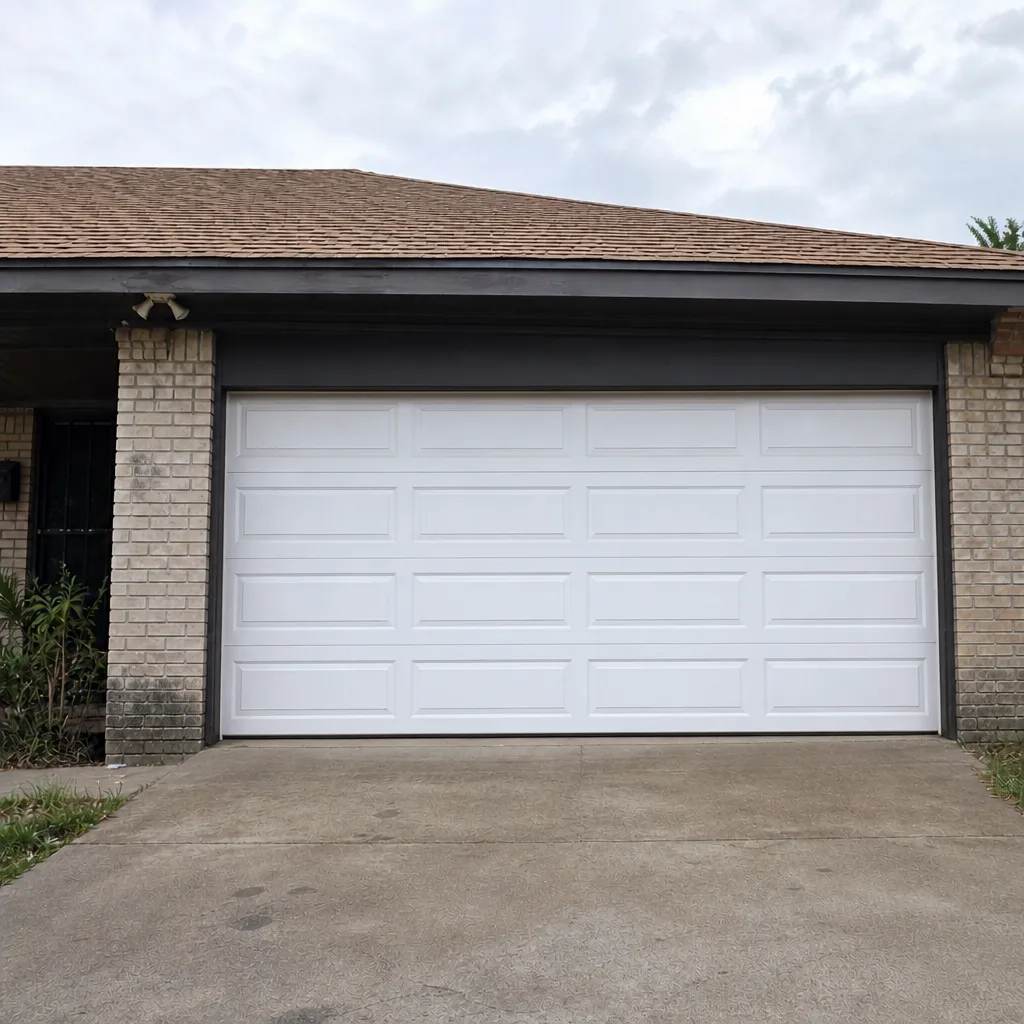
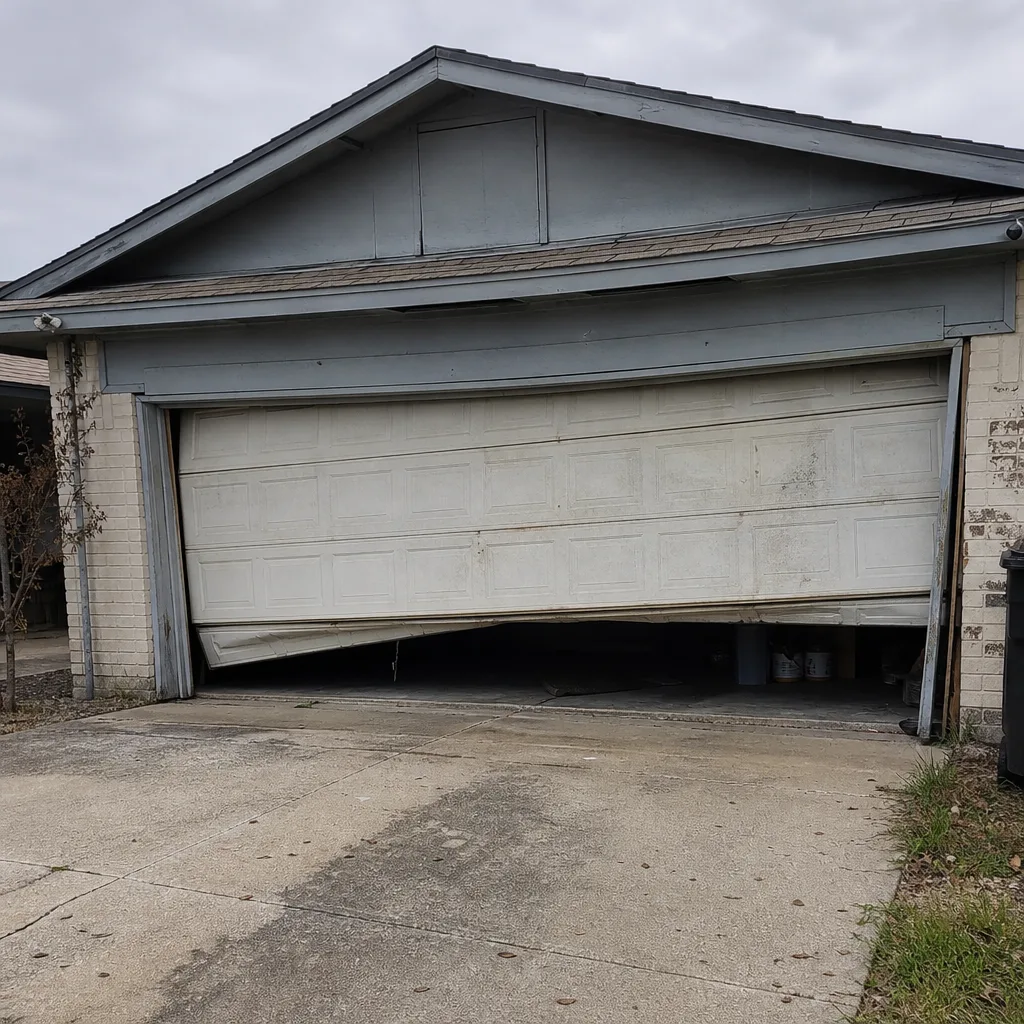
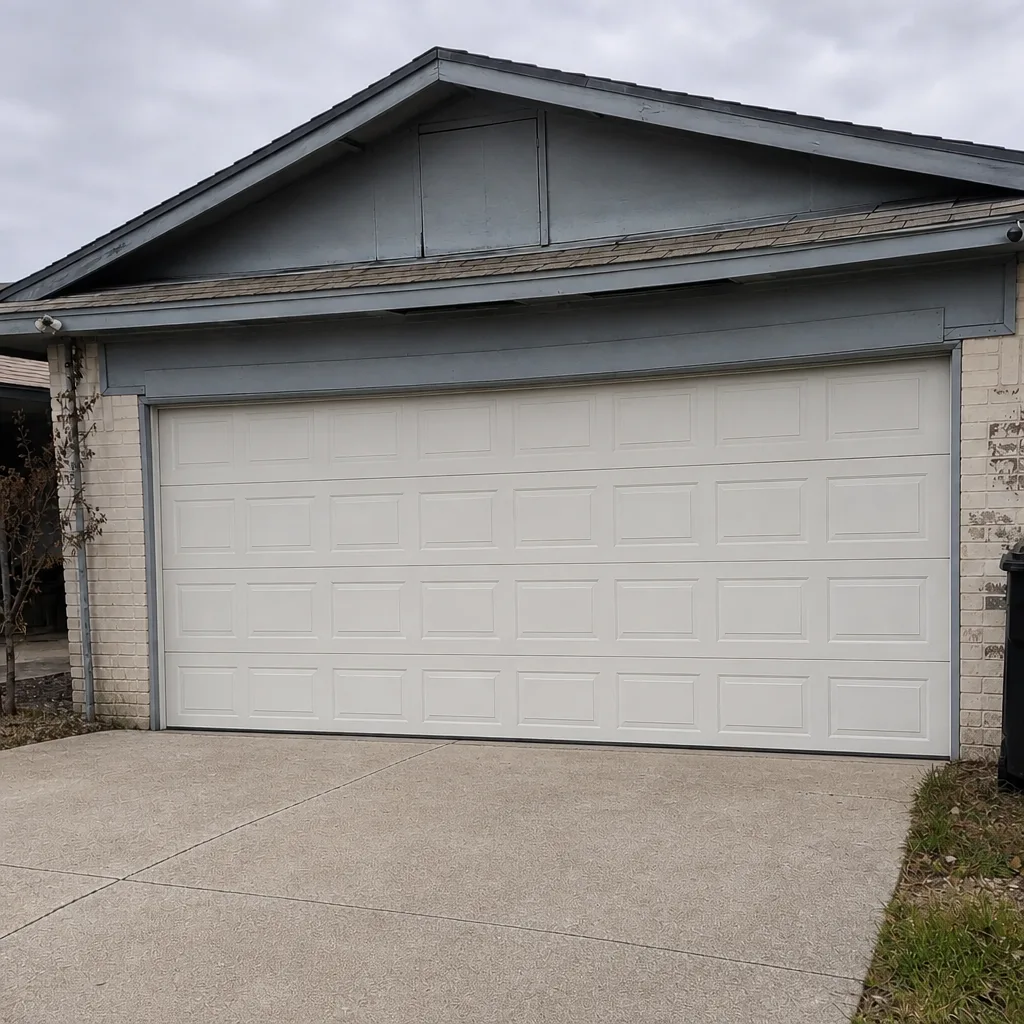
See the difference
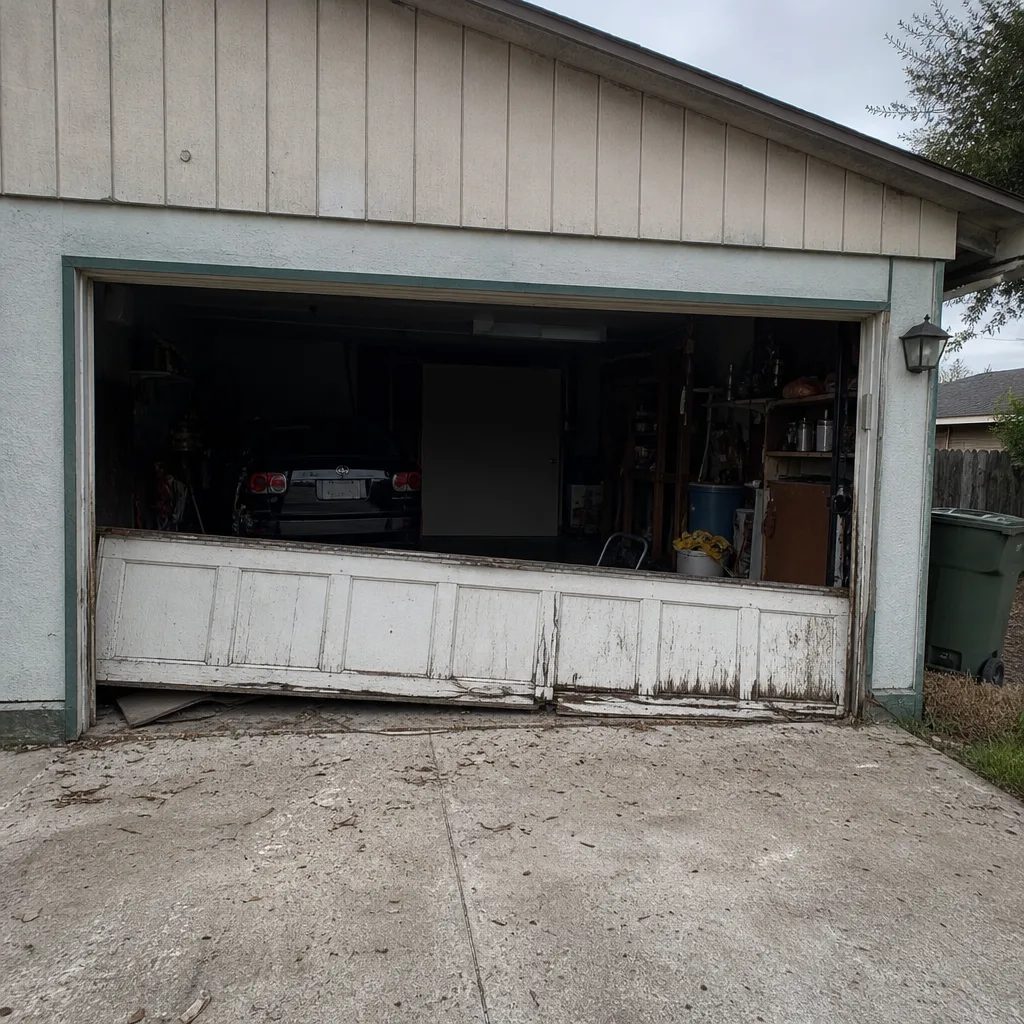 Before
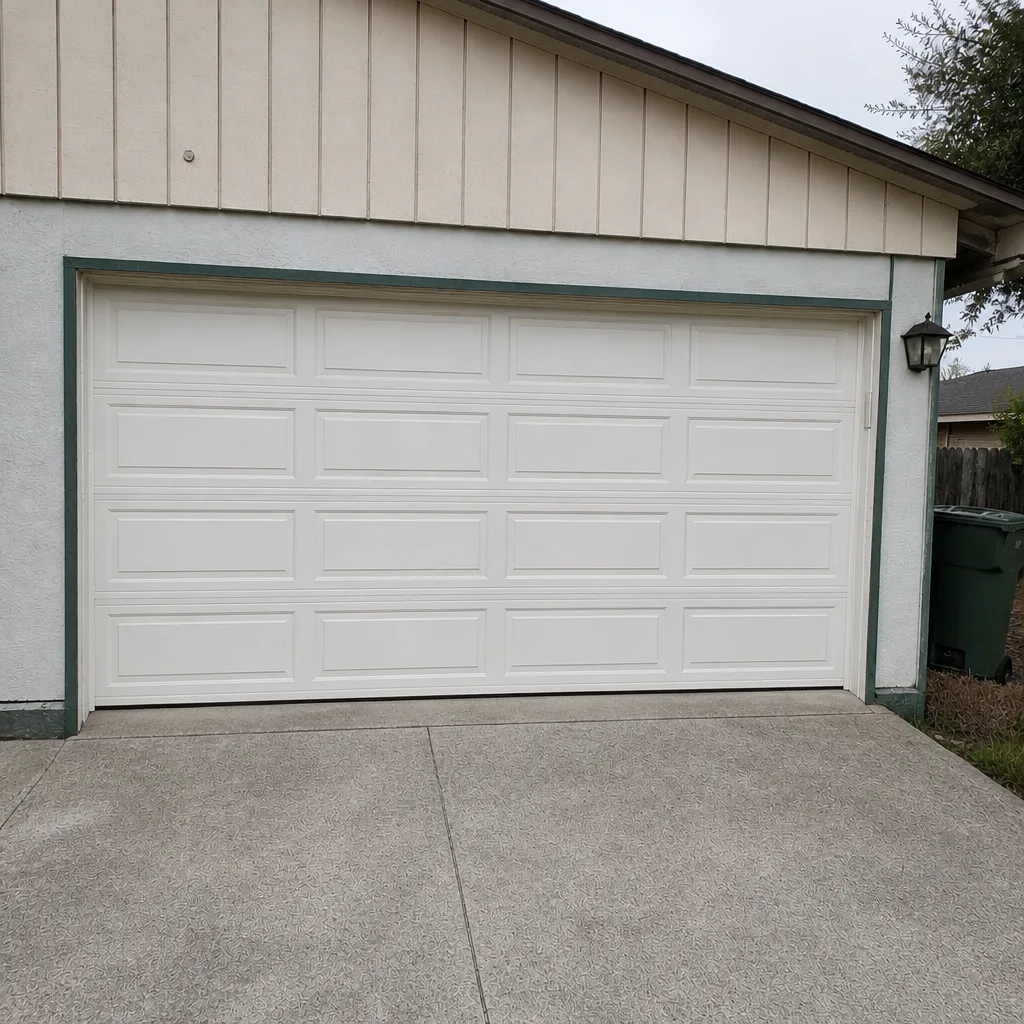 After
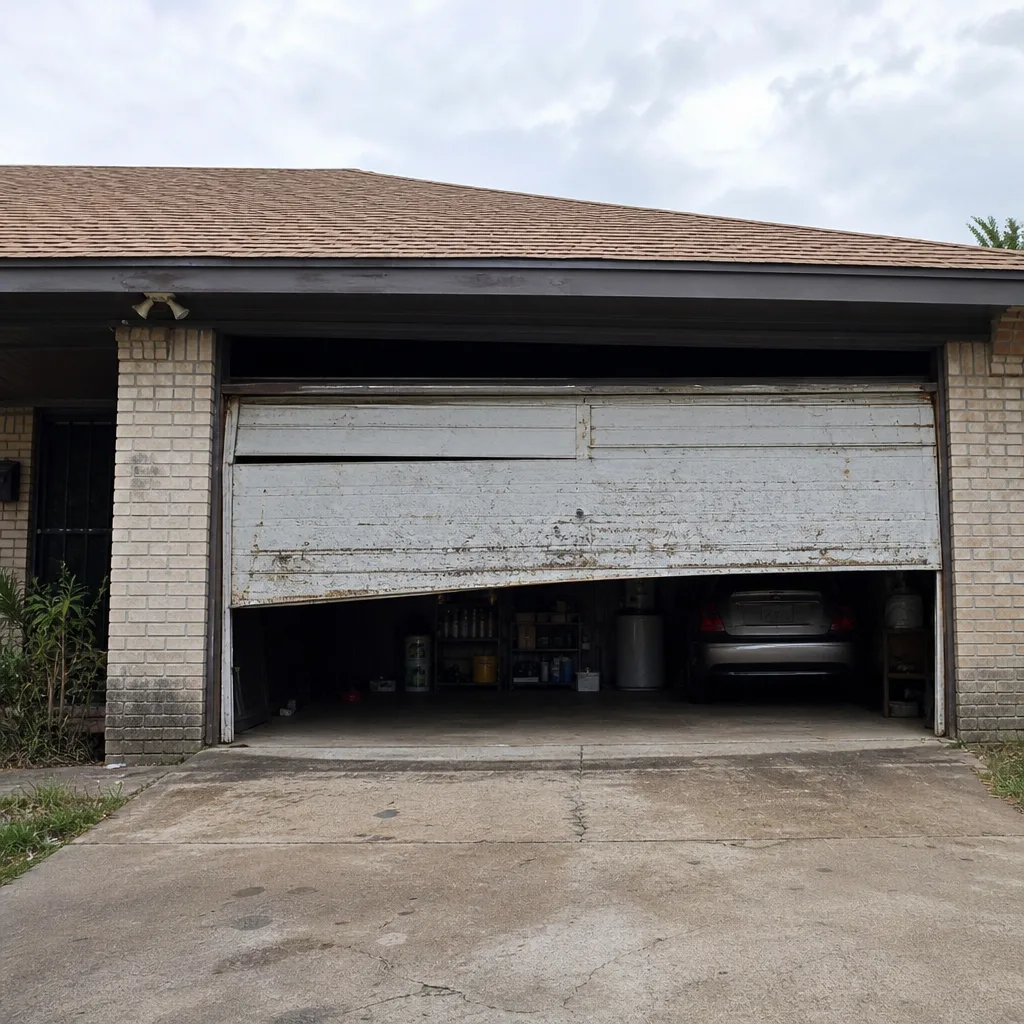 Before
 After
 Before
 After
When to Call a Professional
Some signs are worth a call the same day. If you hear popping or snapping from the springs, see cracks or flaking on a spring, notice the door reversing on its own, or find the door binding or off-level, call a professional rather than running it again. Grinding that’s getting louder, a bottom rail that’s gone soft, and a panel that’s warped enough to throw off the balance are also worth a prompt assessment. For minor squeaks, a remote battery, and stage-one surface rust, you have time to plan. Spencer Garage Door Repair offers free estimates in Corpus Christi. Call (866) 389-3763. We answer 24/7. Fast dispatch from 7am to 7pm, Sunday through Friday. The written estimate sets the price, and the price is agreed before any work starts.
Frequently Asked Questions
Most common garage door repairs in Corpus Christi fall into a modest range, with spring replacement, opener repair, and track or roller work each priced per job. The written estimate sets the final price, and it’s agreed before any work starts. Call (866) 389-3763 for an exact quote. Estimates are free.
Same-day service is often available for urgent issues like popping springs, reversal problems, and doors that won’t close. We answer 24/7, and fast dispatch runs from 7am to 7pm, Sunday through Friday. Call (866) 389-3763 and we’ll book the earliest opening.
No. The price is quoted and agreed before any work starts, and the written estimate sets the final price. If we find something during the job that changes the scope, we’ll tell you and get your agreement before continuing. Call (866) 389-3763 for a free estimate.
Yes. Our technicians are licensed and insured, and they have up to 15 years of experience across the major door and opener brands. Call (866) 389-3763 to schedule a free estimate.
A hesitation before closing is usually a safety sensor issue or a worn drive gear, not a failing motor. Check for a bumped sensor bracket or an obstruction in the beam first. If the pause persists, it’s worth a diagnostic. Call (866) 389-3763.
The first sign is usually a dull finish and faint surface rust on the coil, followed by pitting and then flaking. Once you see cracks at the coil ends, the spring can snap without warning, and the door should not be run. Call (866) 389-3763 for an assessment.
The Bottom Line
Garage door warning signs in Corpus Christi follow a pattern, and the homeowner who reads it early avoids the worst outcomes. Springs fail through a visible corrosion sequence. Noises each point to a specific part. Opener hesitation, reversal, and range loss are separate problems that need separate fixes. The door itself shows structural wear in the bottom rail and the panels. And the split between monitoring and same-week service comes down to one question: does it involve the springs, cables, or an uneven door? If it does, call. The repair at the early stage is far less costly than the failure at the late stage.
If anything in this guide sounds familiar, don’t wait to find out which category it falls into. Call (866) 389-3763 for a free estimate. We answer 24/7. Fast dispatch from 7am to 7pm, Sunday through Friday.
Written by the team at Spencer Garage Door Repair.