
Last updated November 15, 2026
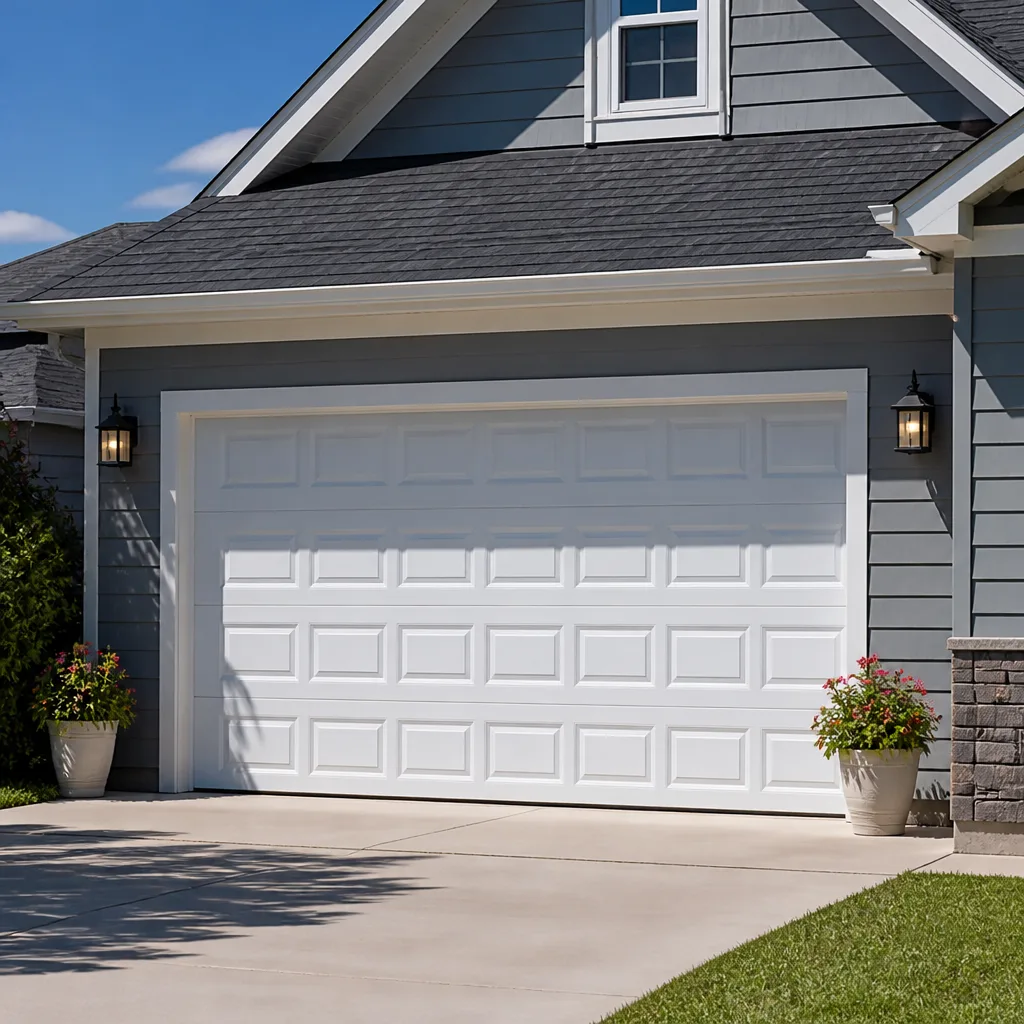 Raised-panel steel
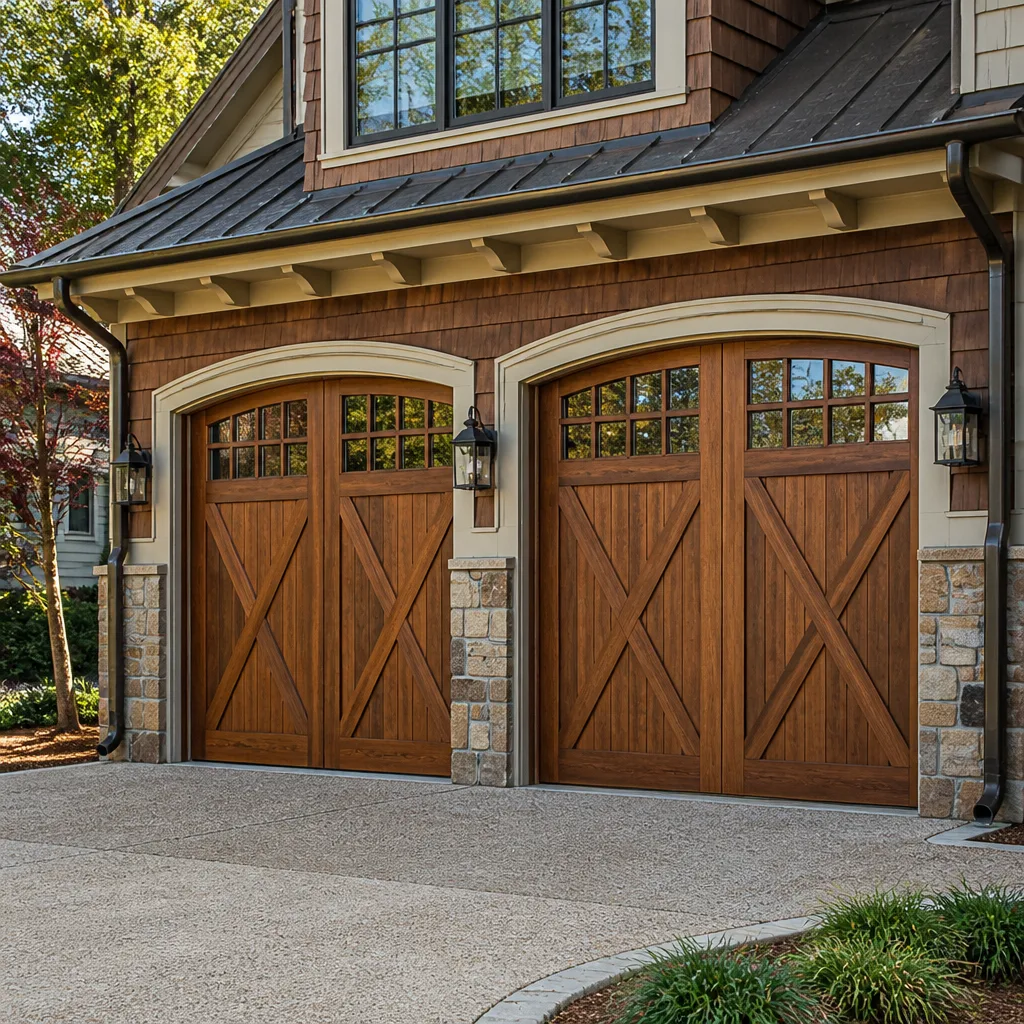 Carriage house
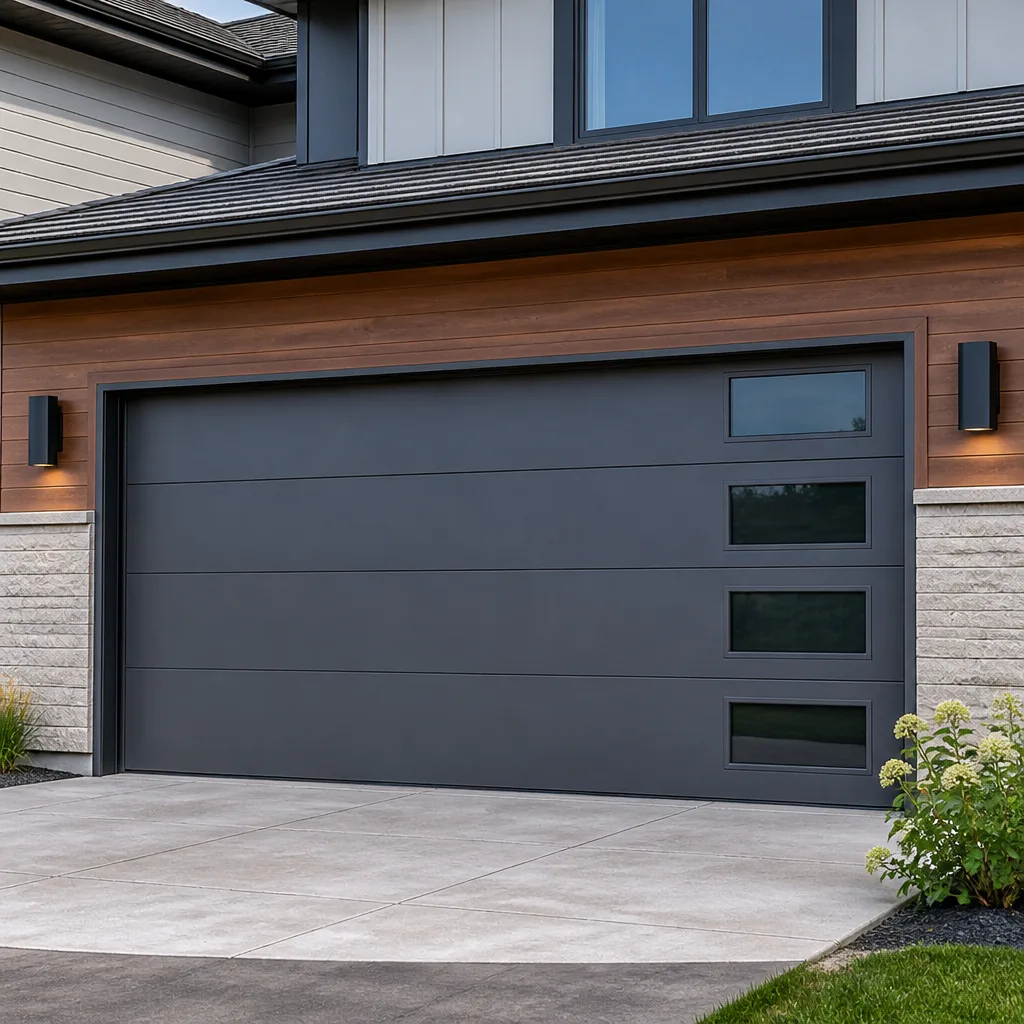 Modern flush
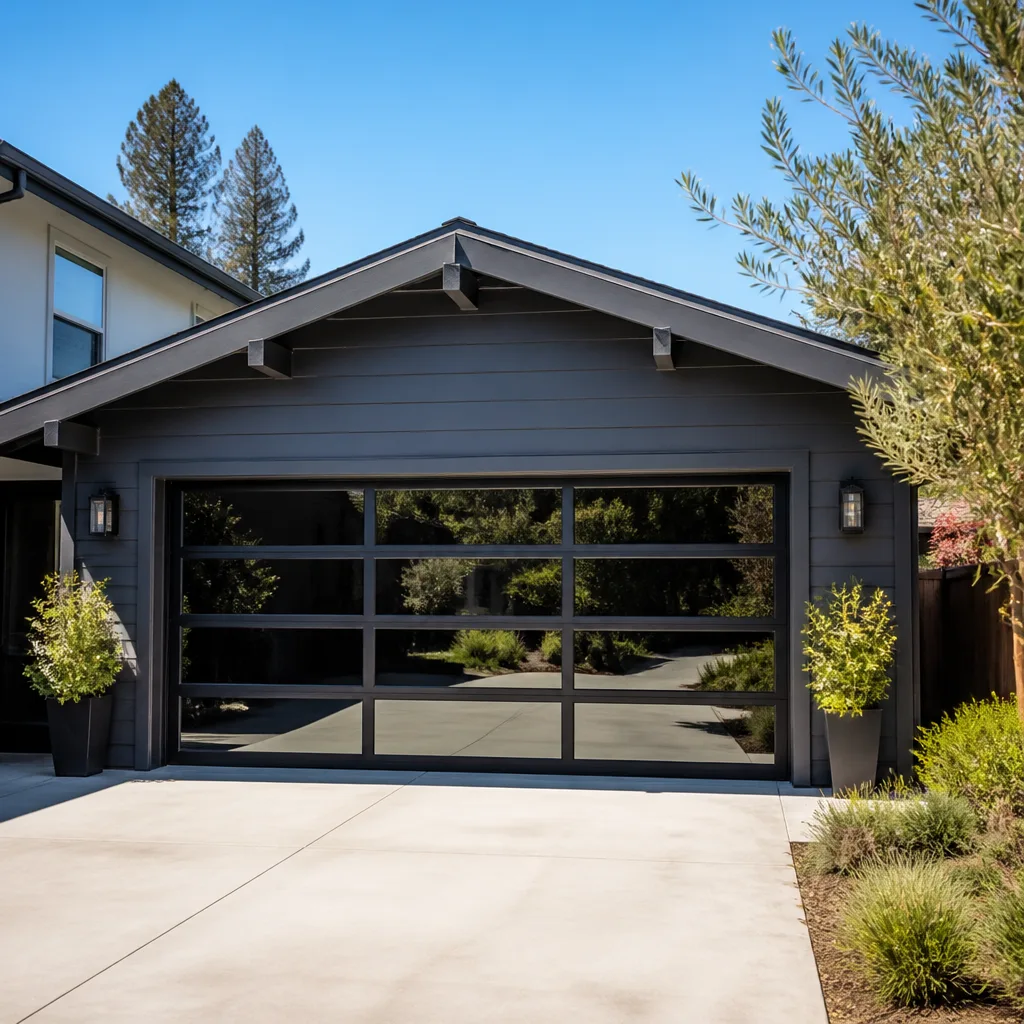 Full-view glass
 LiftMaster openers
 Chamberlain openers
Full 25-point door and opener safety check with every visit - springs, cables, rollers, tracks, and your LiftMaster or Chamberlain opener included
You get a price before we start. It does not change when the pro arrives.
Get your free estimateSeasonal Garage Door Care for Corpus Christi: Year-Round Homeowner’s Guide
Most seasonal garage door checklists were written for places that get ice and snow, and following one in Corpus Christi means you spend your time on problems you don’t have while the ones you do have go unaddressed. The local calendar isn’t four neat seasons. It’s a storm season, a long heat season, and two short transition windows – and each one stresses a different part of your door and opener. This guide replaces the generic quarterly template with a maintenance calendar built around what actually happens here: what to check before hurricane season, how the June through September heat works on steel panels and weatherstripping, what to look at after a tropical system passes, and why the brief cool-humid stretch from November through February is when you catch the small stuff before spring.
Quick Answer
In Corpus Christi, garage doors need one meaningful service in April or May before hurricane season, a light inspection in June through September when heat and UV do the most wear, a deliberate post-storm check whenever a named system passes, and a tune-up in the November-to-February window when cooler, damp air and the end of storm season make it the easiest time to catch problems. Springs, cables, and openers are the parts that fail most often in this pattern, and catching them on a schedule is far cheaper than catching them mid-failure.
Styles & brands we work with
- Raised-panel steel
- Carriage house
- Modern flush
- Full-view glass
- LiftMaster openers
- Chamberlain openers
Table of Contents
- Why Standard Seasonal Advice Doesn’t Fit Corpus Christi
- Pre-Hurricane Season Checklist (April and May)
- Peak Heat Season: June Through September
- Post-Storm Inspection Protocol
- The Cool-Humid Window: November Through February
- When to Actually Schedule Service
- Springs, Cables, and Openers: What Fails and Why
- Common Mistakes to Avoid
- When to Call a Professional
- Frequently Asked Questions
- The Bottom Line
Why Standard Seasonal Advice Doesn’t Fit Corpus Christi
Walk into any big-box store in the fall and you’ll find a wall of garage door conditioner, weatherstripping kits, and advice about winterizing. That advice is written for a climate where the door freezes to the frame in January. Corpus Christi doesn’t do that. The coolest months here are mild enough that a steel door barely contracts, which means the big seasonal failure modes up north – cold snap spring failures, frozen bottom seals, ice dams that never apply here – simply aren’t in your picture.
What is in your picture is different. The annual rhythm runs roughly like this:
- April and May: the run-up to hurricane season, when hardware, seals, and release mechanisms need to work reliably.
- June through September: peak heat, when steel panels expand and contract on a wider swing and openers run hotter than they’d like.
- Any time between June and November: the window when a named storm or tropical system can pass through and leave you with a door that opens but doesn’t seal, or an opener that strains.
- November through February: the cool-humid stretch, when condensation and long-unaddressed storm damage combine into the failures you find in spring.
If you’re reading this from one of the older neighborhoods close to the water, or from newer construction out in Flour Bluff or Calallen, the difference between a door that lasts years and one that keeps calling you back for repairs is almost always whether the seasonal calendar was followed. Heat and humidity visit every part of Corpus Christi the same way.
What follows is the maintenance calendar we walk homeowners through on every service call: what to check, when, and how to know the difference between a task you can do and a task that means you stop and call a specialist.
Pre-Hurricane Season Checklist (April and May)
The stretch from early April through late May is the single most important window on the calendar. It’s the calm before storm season, and it’s the only time you can address hurricane-related problems before the storm rather than after. A door that creaks gently in March can become a door that shrieks in August when a tropical system passes, and the difference is entirely about whether the hardware was checked.
Work through this list every April. It’s built for a homeowner to do the safe parts themselves and to know when to call a technician for the rest:
- Walk the perimeter of the door from the inside. Look at the brackets on the track, hinges, roller carriers, and the arm that connects the opener to the door. Any loose bolts you can snug with a socket should be tightened to spec. Any cracked bracket or bent arm goes on the list for a professional.
- Check the bottom seal. Run a hand along the seal and look for cracks, soft spots, or a seal that has lost flexibility. In Corpus Christi, rubber seals take UV load all year, and April is when you’ll notice a seal that was fine in October has started to crumble.
- Test the manual release. Any door with an opener has a release handle, usually a red cord. Pull it and confirm the door disengages from the opener and moves by hand. Re-engage before returning the door to automatic use. If the release is stuck or the door doesn’t disengage cleanly, that’s a repair call.
- Look at the tracks for bends. A hurricane can’t touch you yet, but a door that’s been bumped or dropped against one side can have a slightly out-of-line vertical track. Run a level against the track if you have one. Any visible bend means the door needs eyes on it.
- Check the photo-eye safety sensors. Break the beam by hand and confirm the door reverses or refuses to close. This is a five-second test and one of the most overlooked.
- Test the opener’s ability to lift the door under strain. Disengage the door, then re-engage and run it up and down once. If the opener fights the door partway up, or the door hesitates near the top, the spring tension is telling you something.
Springs and cables – the two parts of the door that actually hold its weight – are never something a homeowner should adjust or replace. A turned spring stores enormous energy, and the tension on a cable is enough to cause serious injury if it’s touched while loaded. That’s a job for a trained technician, every time. If a spring looks stretched, if it’s noisy, or if the door doesn’t feel evenly balanced when you lift it by hand, stop at that point and call.
Hurricane season in Texas runs from June through November, so this April-to-May window is your last clean shot at the door before the calendar reaches the real risk months. In our experience, most of the “my door broke during the storm” calls we get could have been a “my door was maintained before the storm” job if the April check had been done.
Peak Heat Season: June Through September
Once June rolls in, the temperature story changes. Corpus Christi’s summers run long and hot, and garage doors that are steel – which most Clopay and Amarr installations are, in one profile or another – move slightly every day. That thermal expansion is small in absolute terms, but it’s the difference between a door that closes smoothly and one that drags a hinge or binds against a track by August.
Three things happen to a garage door in Corpus Christi heat:
- Steel panels expand and contract. The door isn’t one rigid slab; it’s a set of hinged panels. Each hinge becomes a small pivot point where motion accumulates. A door that’s tightly adjusted in a cool March can bind slightly in a hot July.
- Weatherstripping cooks. The rubber perimeter and bottom seal are the parts of your door most exposed to direct sun. UV degrades them faster in full-sun placement than on a shaded door. This isn’t a Corpus Christi-only problem, but the long summer here compresses the timeline – a seal that would last several years in a cooler climate can degrade faster in a hot one.
- Openers run hotter. The opener motor is inside a housing that sits in a garage that gets hot from both external heat and the motor’s own work. Genie and Chamberlain units in particular will start showing stress symptoms – loud cycles, slow starts, or intermittent failure to complete a cycle – when the ambient heat and a poorly balanced door combine.
What to do during this window:
- Don’t add lubrication during the hottest stretch. Lubrication performed in June or July attracts dust and grit that then becomes grinding paste on your hinges and rollers. Save the lubrication step for the November window, or for whenever the season is genuinely cooler.
- Listen to your door. New noises are information. A single sharp click at the same spot in the cycle is different from a grinding rasp, and both are worth noting.
- Watch for saggy seals. A bottom seal that has gone soft and lost shape is the main way summer heat shows up as a functional problem – you get drafts, water intrusion under the door, and eventually the door won’t sit evenly against the floor.
- Give the opener breathing room. If your opener’s housing has been wrapped or boxed in (some garages get creative with storage), unbox it. Airflow matters in a Corpus Christi garage in July.
- Test the door once per week in open-and-close. A weekly cycle reveals developing issues faster than an emergency call reveals them.
Post-Storm Inspection Protocol
Once a named storm or tropical system has passed through Corpus Christi, the garage door needs a specific checklist rather than a general “looks fine to me.” Storms here can leave subtle damage that doesn’t show up until the next season.
- Look at the panels first. Check every panel edge for deflection, oil-canning (a slight inward bend), or paint cracks along the seams. A panel that took a hit from windblown debris may still close, but a slight bend is the beginning of a functional problem.
- Look at the bottom seal and threshold. Water under the door during a storm leaves the seal compressed or torn. Run a hand along the bottom edge – a seal that’s lost its contact should be replaced rather than pressed back down.
- Check the horizontal and vertical tracks. A wind-driven door can shift an anchor point by a fraction of an inch, which is all it takes to misalign the door.
- Test the release again. Storm vibration can dislodge the release mechanism or leave the door partially disengaged. Confirm it works and the door moves by hand without binding.
- Run the opener once after the storm clears. Watch and listen. If it hesitates, grinds, or stops partway, the storm has identified a developing problem.
- Look at the mounting hardware for the opener rail. The rail that connects the opener to the door rides on a bracket, and storms can loosen it enough that the arm begins to bind.
If anything looks bent, cracked, loose at a spring or cable anchor, or if the door won’t close evenly after a storm, that’s the point where you book a professional. What you don’t want to do is run an out-of-true door repeatedly on its opener, because that turns a small alignment issue into a stripped gear or a bent panel.
If you’re not sure what you’re looking at, our garage door repair team can inspect the door after a storm and tell you honestly whether anything actually needs work.
The Cool-Humid Window: November Through February
Here’s the counterintuitive part of the local calendar. November through February isn’t a “winter” in the sense of cold-weather preparation – it’s the window when the air in Corpus Christi is coolest and, for the Gulf Coast, frequently damp. Condensation becomes a real factor. And, crucially, this is the only window when you can address everything that happened during the heat and storm seasons before spring puts the door back under stress.
Why this window matters more than it sounds:
- Cool air and high humidity form condensation on the inside of cold steel door panels. That condensation finds its way into hinges, rollers, and hardware over the cool season. A door sitting unused in a garage can develop corrosion at the hinges and pivot points even though it never gets wet from rain.
- Storm damage from the previous season compounds. A slightly bent track from a July storm won’t get better over the winter. It gets worse as the door runs on it every day.
- This is your lubrication window. Lubricant applied in November stays on the hinge points during the cool months when dust and grit load is lower. By the time the heat returns, the moving parts have a fresh coat.
What to do in the November through February window:
- Lubricate hinges, rollers, and pivot points with a garage-door-specific lubricant, not general-purpose oil. A lithium or silicone lubricant is appropriate; motor oil or WD-40 is not the right product here.
- Inspect the inside of the steel panels for condensation streaks. If your door shows persistent condensation on the inner face, the fix isn’t always new panels – it’s often addressing ventilation in the garage or checking that the door seals are keeping moist air out.
- Look at the bottom seal again. The seal you replaced in spring has now taken a summer of UV and a fall of use. Check that it’s still making contact across the full width.
- Address any storm-season damage you deferred. A misaligned track or a slow opener doesn’t fix itself.
- Test the opener and safety reverse. A complete once-a-year test of the open and close cycle, the reverse, and the manual release should be part of this window.
For the Corpus Christi homeowner, this window is also the best time to schedule a maintenance call, because the cool months are the safest months for a technician to adjust tension on the springs and cables and re-true a track without the added factor of heat stress on the door.
When to Actually Schedule Service
The generic advice is “schedule service quarterly,” which doesn’t reflect how these systems actually fail here. Here’s the year-at-a-glance recommendation, matched to what the weather and storm season actually do to a door in Corpus Christi:
- April or May: the pre-hurricane service. This is the one service call that’s really about the whole year. Hardware, seals, release, opener test.
- Late summer, if anything was noisy or slow: not a full service, but a diagnostic call if the June-to-September stress produced symptoms like the opener straining or a door that binds at a specific point in its cycle.
- Any time after a named storm: the post-storm inspection. If that inspection comes back clean, no further service is needed in that window.
- November or December: the annual tune-up, timed to the cool window, with fresh lubrication and a thorough check that the door came through the year intact.
Notice that two services a year – one in April/May and one in November/December – cover the year when nothing goes wrong. The calls in between are the “something is off” calls. That’s very different from quarterly scheduling, which mostly results in doing paperwork about a door that’s fine.
Springs, Cables, and Openers: What Fails and Why
Across Corpus Christi, the same parts tend to fail in the same sequence. Knowing which parts they are tells you what to pay attention to as you walk through your maintenance checks.
Springs
A torsion spring, which lives above the door on a horizontal shaft, or an extension spring, which runs along the door’s horizontal tracks for certain door designs, is the part that stores the door’s lifting energy. Heat doesn’t destroy a spring directly, but it wears it through constant cycling. Torsion springs in particular tend to fail after a predictable number of cycles – somewhere in the four-figure to five-figure range depending on the spring – and the door’s cycle count doesn’t reset when you do a tune-up.
What you can check:whether the door looks evenly supported when open and closed. What you must never do is adjust or replace the spring yourself. A wound torsion spring stores enough force to cause very serious injury, and a loaded extension spring under tension can snap without warning. If the door suddenly feels heavy, if there’s a sharp bang from the garage, or if the door won’t stay up on its own, stop and call a technician.
Cables
The lift cables run from the bottom brackets of the door up to the drums at the spring shaft. They’re under tension any time the door isn’t fully closed. Cables fail at their end fittings or where they’ve been abraded by a roller or a hinge. Check by running a hand along a closed door’s cables – with the door fully closed and the spring unwound – for any fraying, broken strands, or visible looseness. A frayed cable is a replace-now item; leave the actual replacement to a technician.
Openers
Openers fail on a slower scale than springs, but their failure modes are informative. Chamberlain and Genie units are the most common in this market, and the symptoms we see most are a slow start, a cycle that stops short, a stripped nylon gear (marked by a grinding sound right at the end of travel), or a remote that no longer syncs. A garage door opener repair call early in that sequence is almost always cheaper and more complete than a call after the opener has failed outright. We service and repair the opener brands homeowners already own rather than steering them toward a new drive system before they need one.
Common Mistakes to Avoid
- Following northern seasonal advice. Buying winterizer kits, de-icer, or anti-freeze products designed for cold-climate doors wastes money in Corpus Christi and does nothing for the actual local risks – heat, UV, and storms.
- Shutting the garage door on a storm-debris check. After a storm passes, closing the door without checking that nothing has been blown into the tracks or caught in the bottom seal is the number-one cause of avoidable damage.
- Lubricating during peak heat. Lubricant applied in July attracts grit that grinds through hinges and rollers. Save the lubrication step for November through February.
- Turning up the opener’s force setting instead of fixing the door. If a door is heavy or binding, the opener’s force dial is not the fix and increasing it puts the opener and motor at risk. It’s a symptom, not a solution.
- Ignoring a bottom seal that “still works.” A seal that has lost shape lets heat, humidity, and splash under the door. Replacing it is a small job; letting it fail into the door’s threshold is a bigger one.
- Trying to adjust or replace springs and cables. This is the single most serious garage door injury risk and should never be a DIY task.
- Waiting until the next breakdown to call. A noisy door or slow opener found in a scheduled check is much cheaper than the same problem found mid-failure, especially if it fails under storm-season stress.
When to Call a Professional
Some events are firmly in DIY territory (testing a release, wiping a seal, checking a sensor beam). The following are not: a spring that has snapped or lost tension, a cable that looks frayed or is loose, a door that binds, won’t balance, or comes off one side of its tracks, an opener that runs but the door doesn’t move, a door that reversed by itself during the last close, any visible bend or deflection in a panel after a storm, or a bottom seal that has torn cleanly through or come off. Those are the cases where a trained technician with the right tools should be the one on the ladder. Corpus Christi homeowners call us for exactly this – a diagnosis rather than a guess, on whatever brand or drive system is already in the garage, from LiftMaster and Chamberlain units to Genie, Clopay, Amarr, Wayne Dalton, Craftsman, and Raynor. Our technicians have up to 15 years of experience, all of it on garage doors.
Frequently Asked Questions
Twice a year covers the local cycle best: once in April or May before hurricane season, and once in November or December when the year’s heat and storm stress can be assessed in cooler weather. The April service handles hardware, seals, release, and opener condition, and the November service is when lubrication and a full-year inspection make sense. Additional calls are warranted any time something looks or sounds wrong.
Yes, but the risk is more about pre-existing weakness than about the door being destroyed. A door with a failing bottom seal, a loose bracket, or a spring that’s at the end of its cycle is a door that will fail under storm stress. The Apr/May check is the way to make sure the parts that would be strained are in good condition before the wind and rain arrive.
Steel panels expand slightly in the heat, which changes how the door sits against its track. That can produce small new noises at the hinges and at the point where the door meets the track. If the noise is a grind or a rasp, or if it comes with the door binding at a point in its cycle, have a technician look at the door’s balance and alignment before it becomes a bigger repair.
Yes, once a year with the correct product. A garage-door-specific lubricant (lithium or silicone) applied to hinges, rollers, and pivot points once in the November-to-February window is what we recommend. Do not use motor oil, WD-40, or general-purpose grease, and don’t apply lubricant in the peak heat months, because it attracts grit. This is a homeowner-safe task.
No. A wound torsion spring or a tensioned extension spring stores enough energy to cause severe injury, and a loaded spring can fail without warning. Springs and cables should always be handled by a trained technician. If you suspect a spring problem, keep the door closed if it’s safe to do so and call for service.
The common early symptoms are a slow start, a cycle that stops short of the fully open or fully closed position, a grinding sound right at the end of travel (often a stripped gear), and a remote that no longer syncs reliably. Any of those are a good reason to book an opener repair visit. Waiting for the opener to fail outright typically produces a worse outcome than catching it in the early stage.
The Bottom Line
Corpus Christi doesn’t ask for a four-season maintenance calendar. It asks for a storm-season check in April or May, awareness through the heat season, a specific inspection after any named system passes, and one clean tune-up in the November-through-February window when the cooler, damper air lets you address everything the year produced. Springs, cables, seals, and openers are the parts that matter, and the timing that catches each one before it becomes a failure is what separates a door that quietly works from a door that keeps calling you back. Follow the calendar, respect the springs and cables as untouchable, and the rest is small stuff.
Contact
If you’d like a free estimate on any part of this year’s maintenance – or you’ve found something during a check you’d like a professional to look at – the team at Spencer Garage Door Repair is ready to help. We don’t work on gates or other trades; we work on garage doors and openers, which is all we do. Call (866) 389-3763 for a free estimate. We answer 24/7. Fast dispatch, 7am-7pm.
Written by the team at Spencer Garage Door Repair.
See the difference
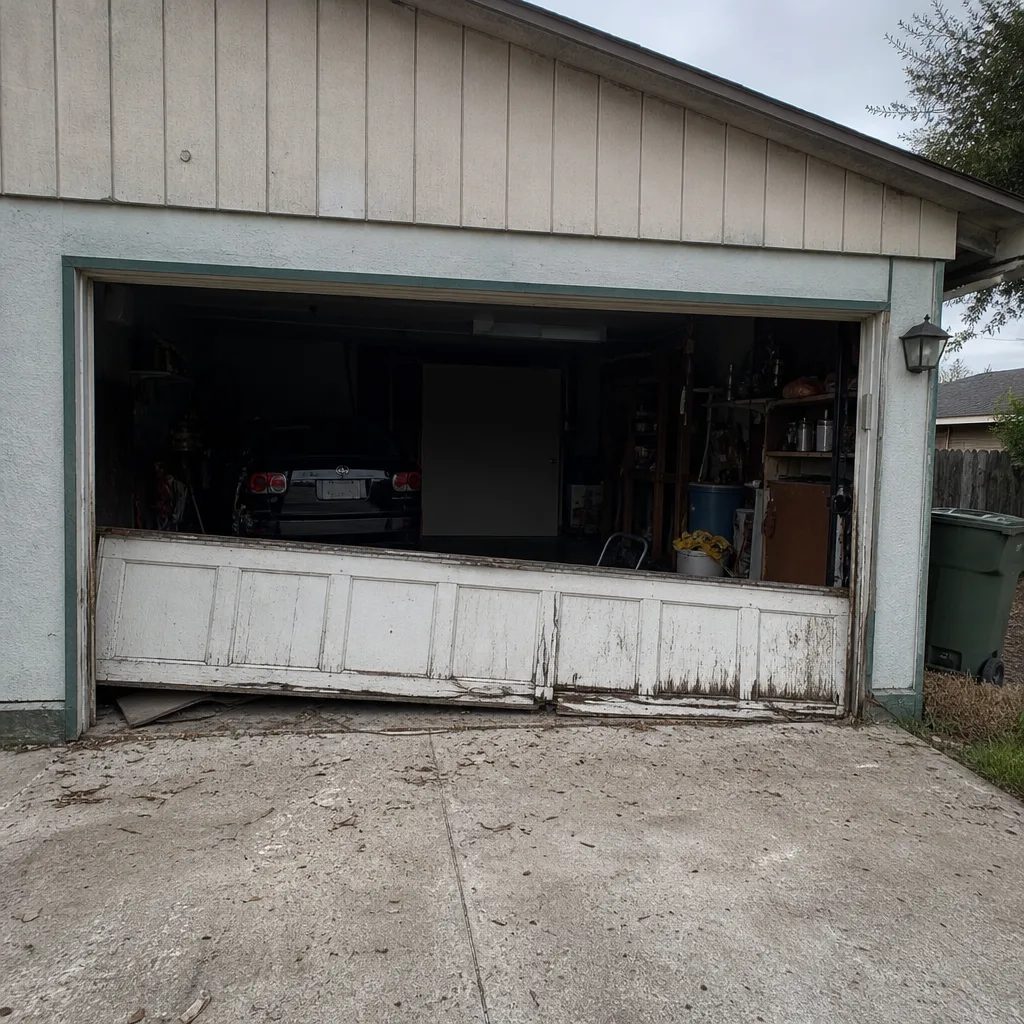 Before
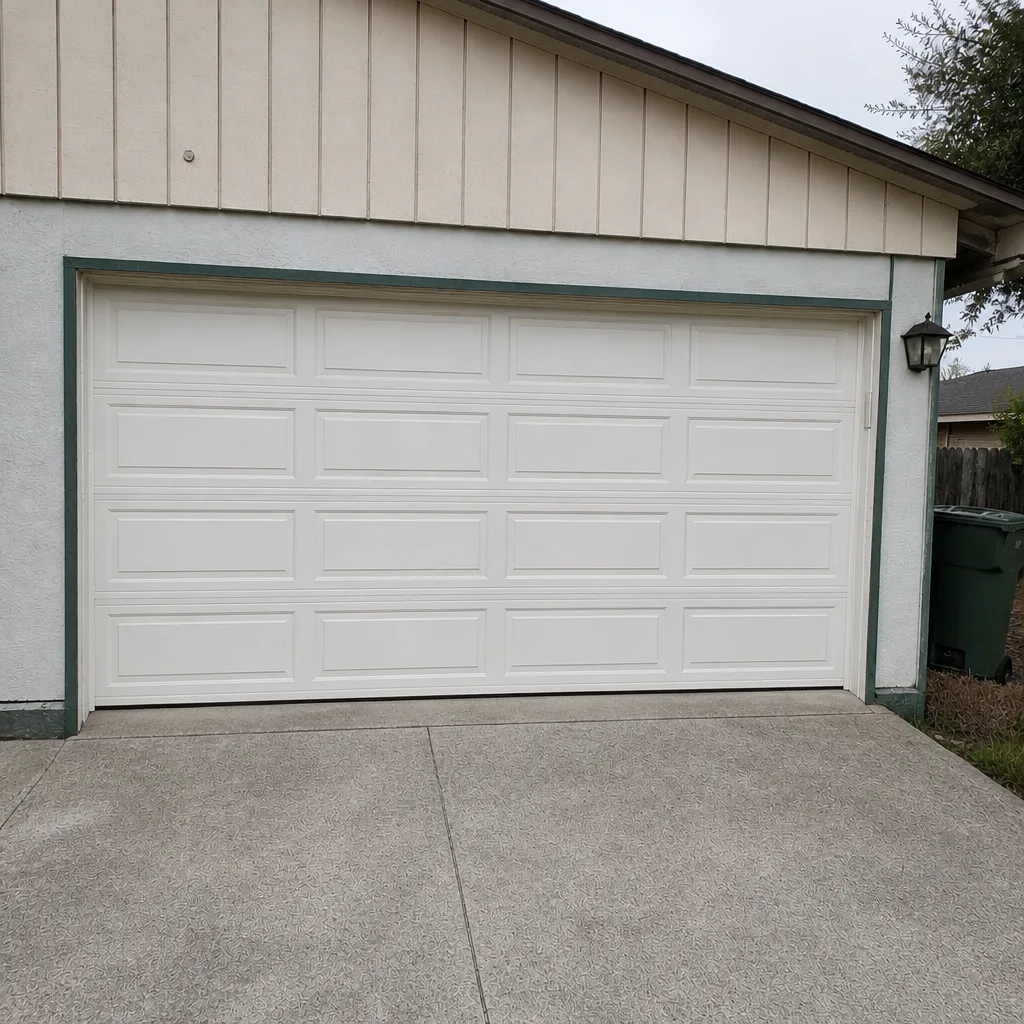 After
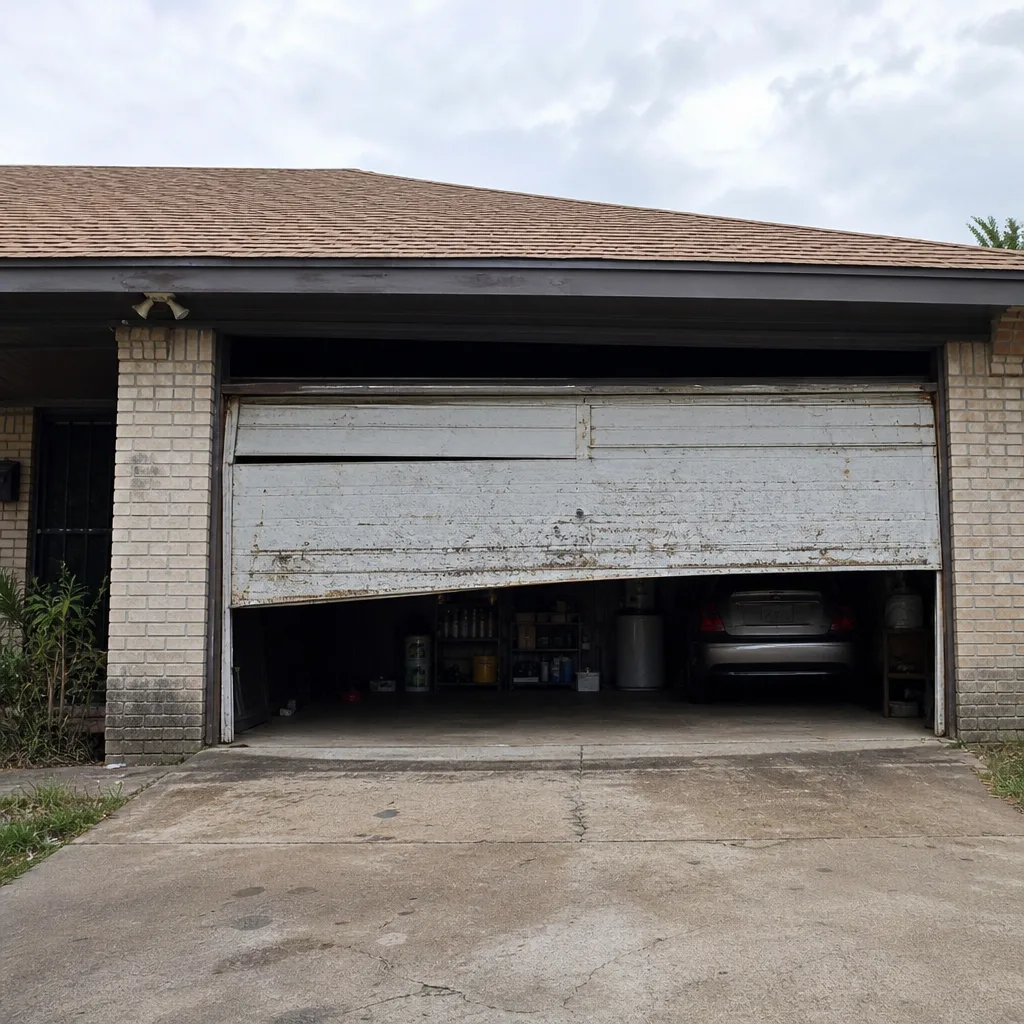 Before
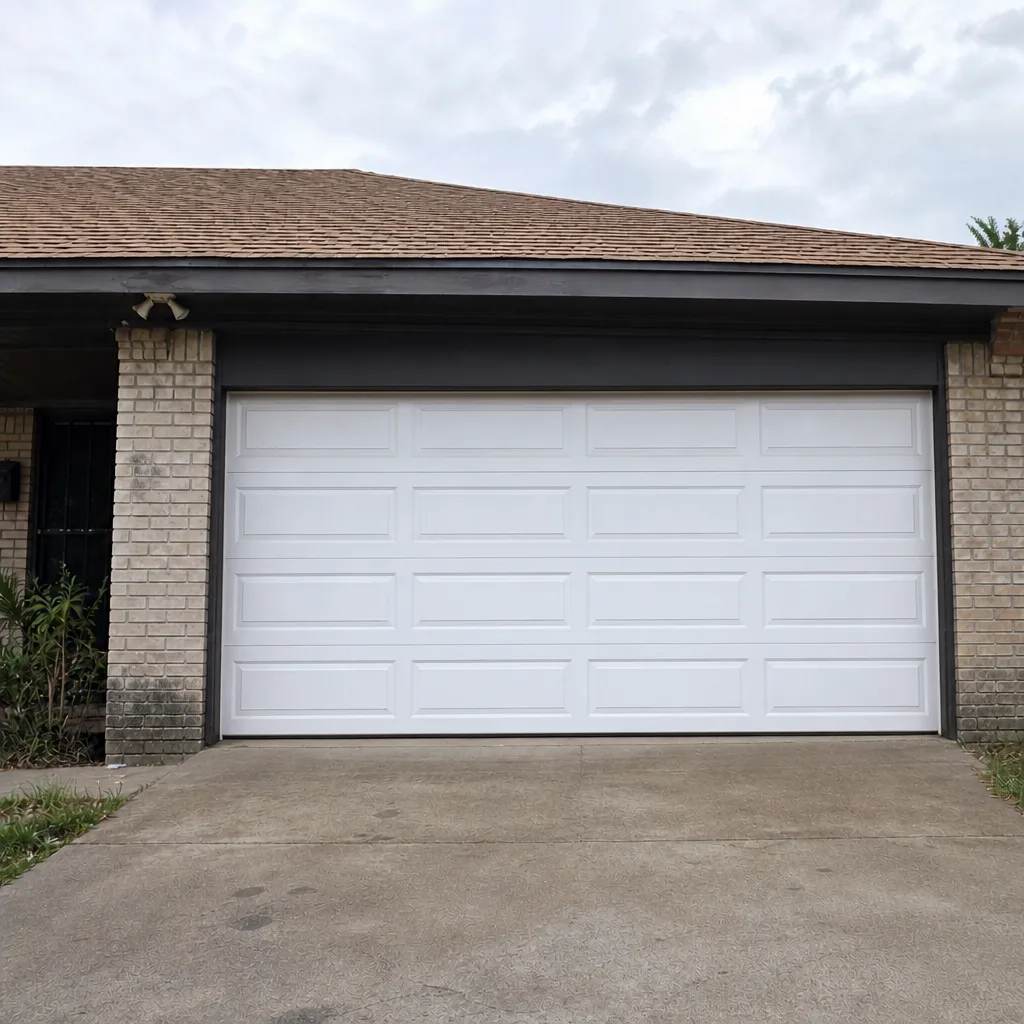 After
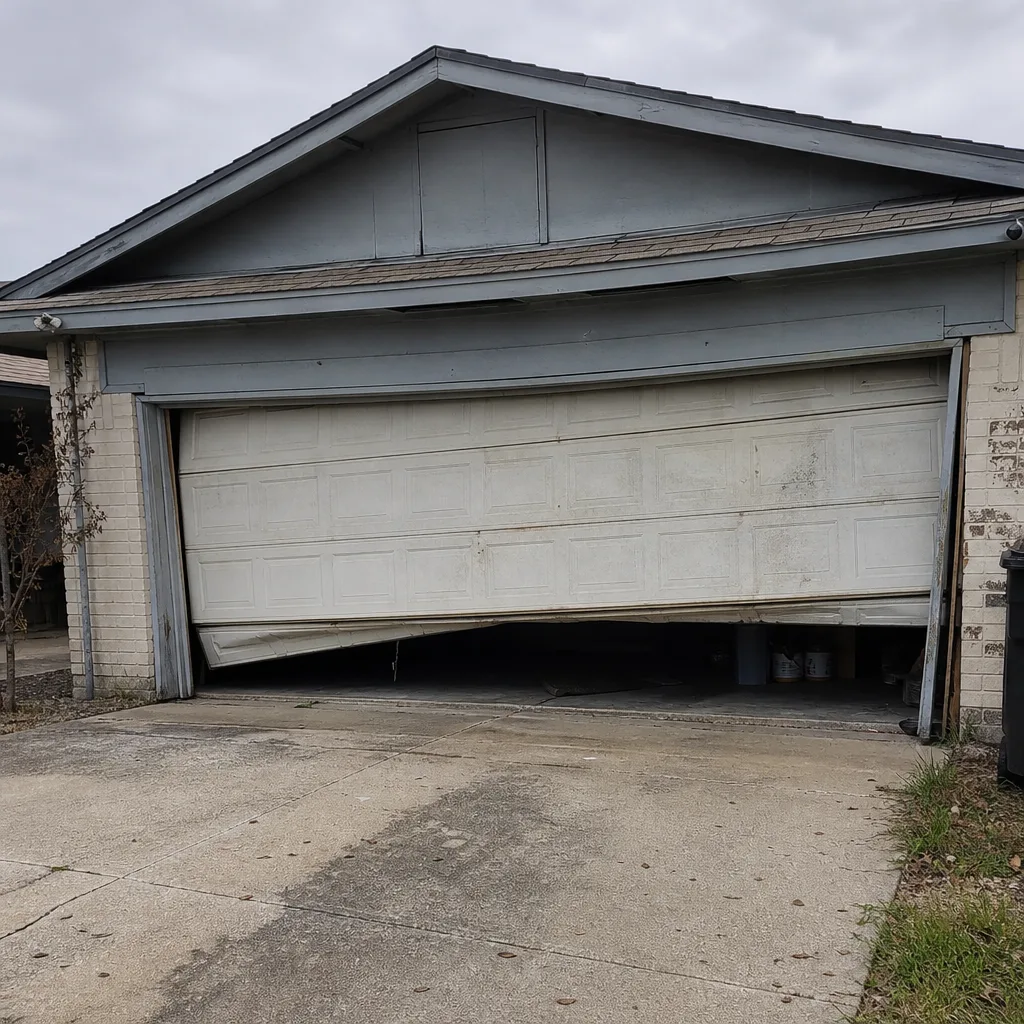 Before
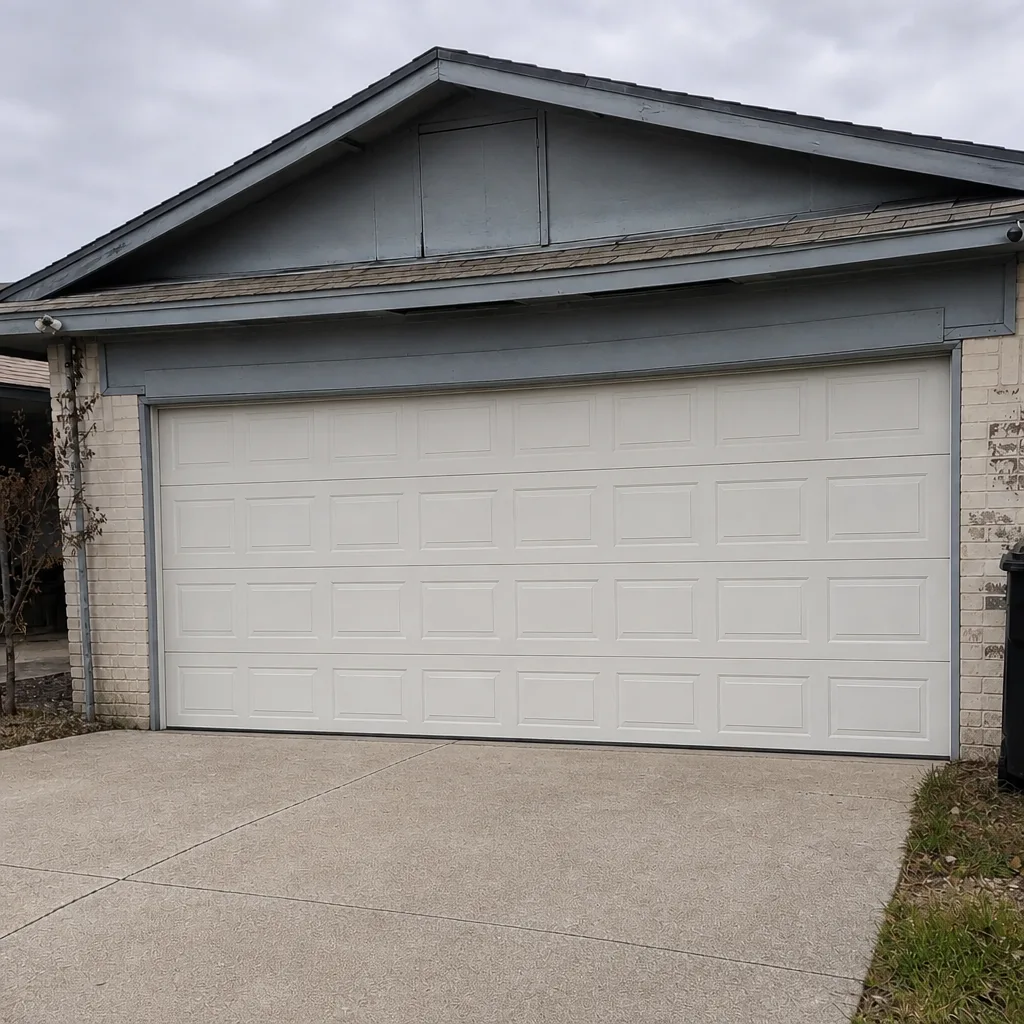 After