
Last updated November 15, 2026
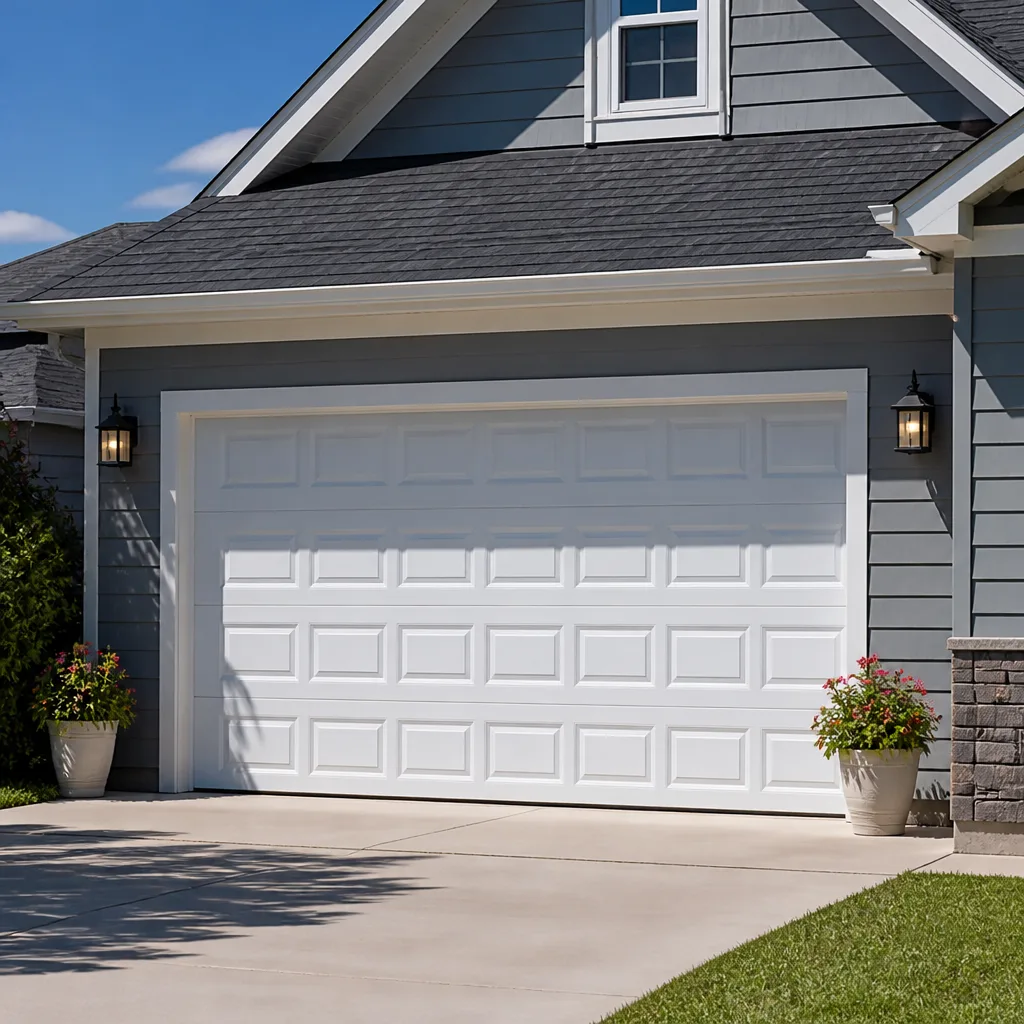 Raised-panel steel
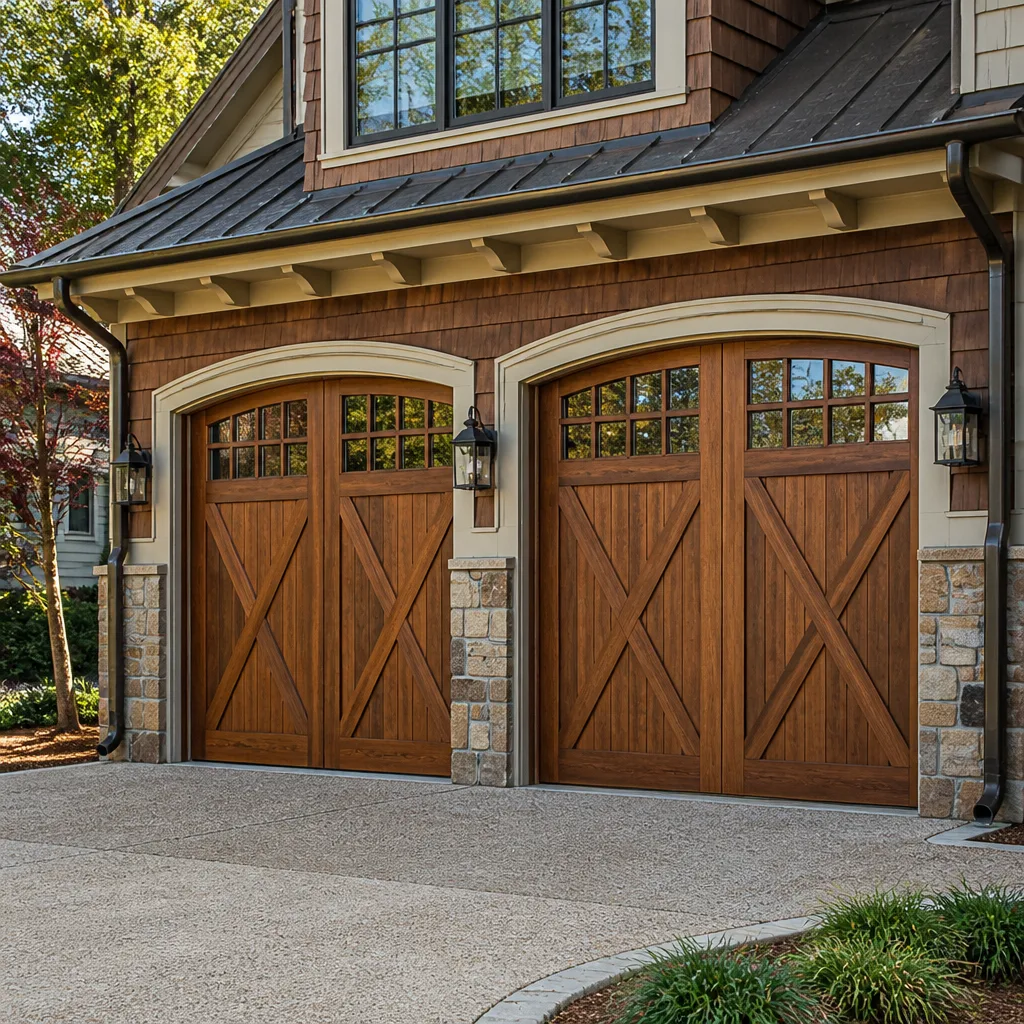 Carriage house
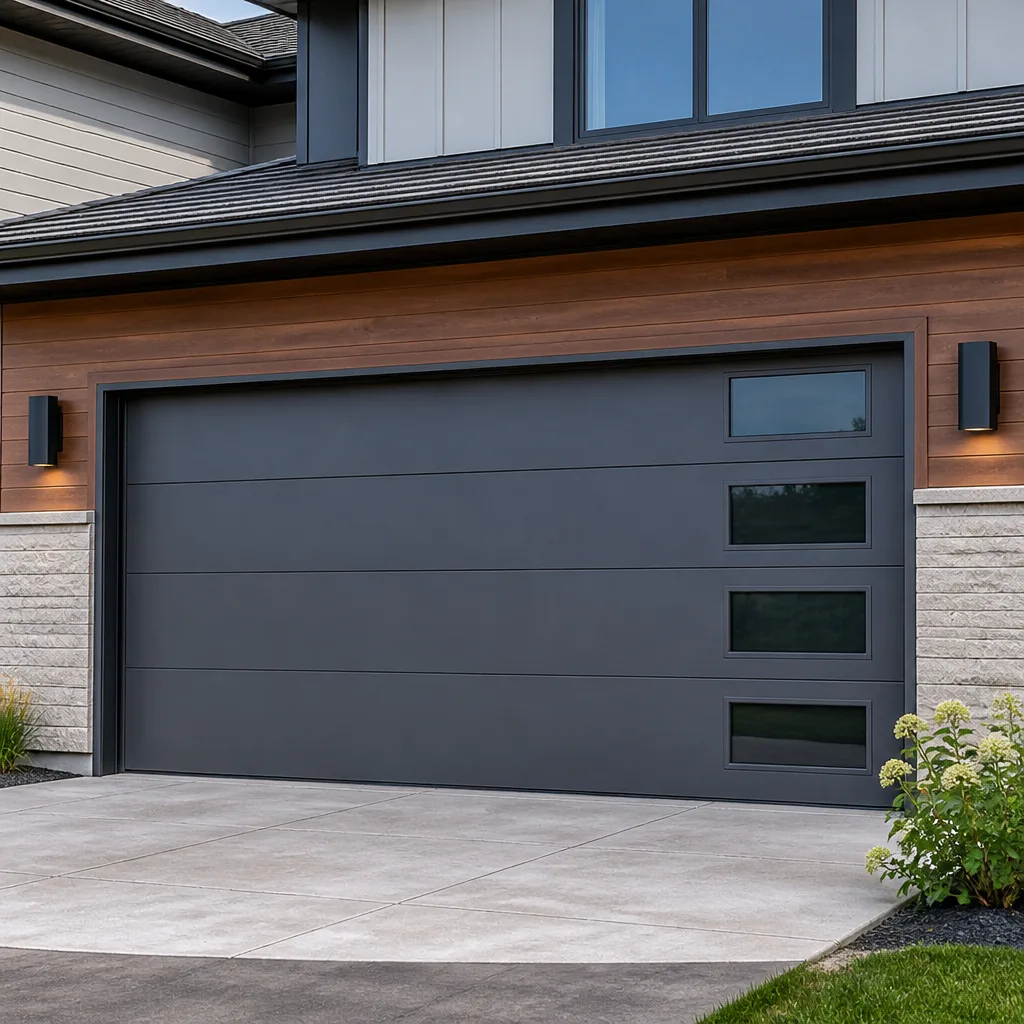 Modern flush
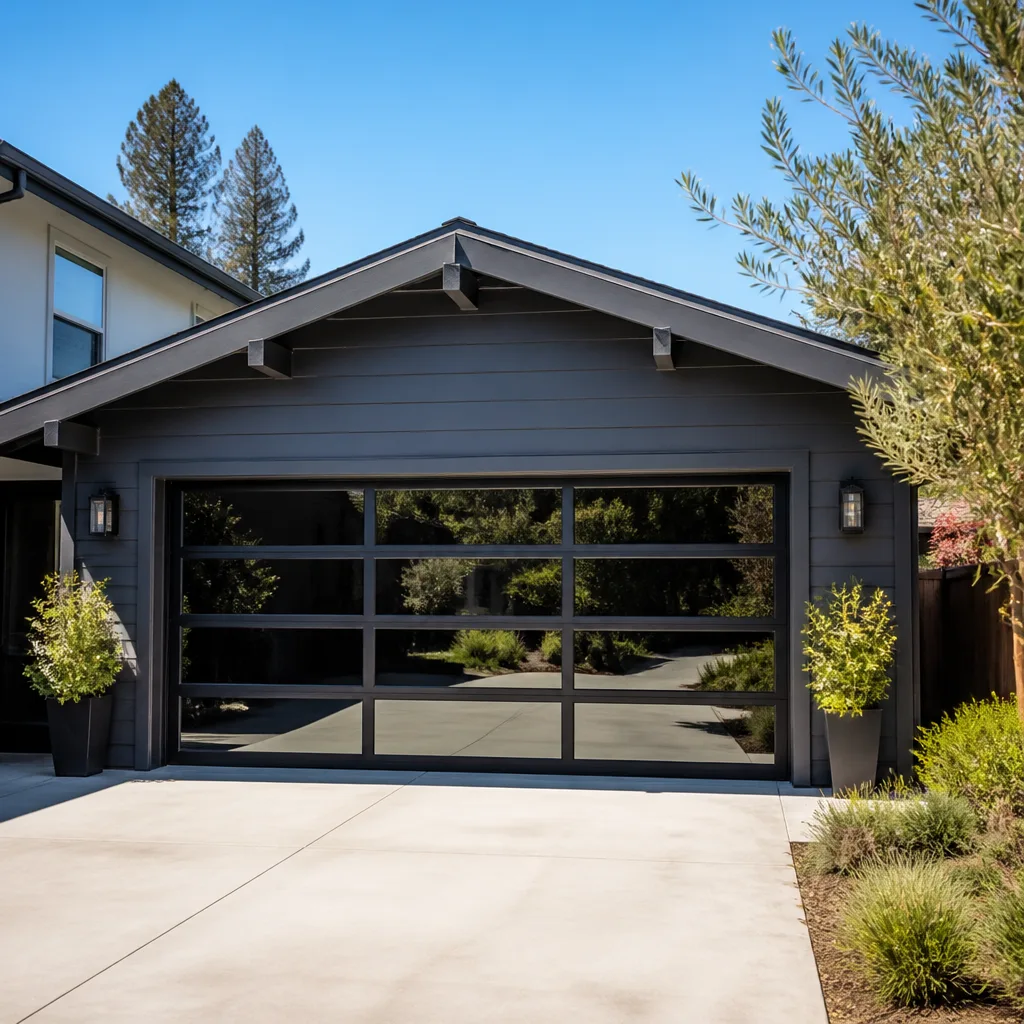 Full-view glass
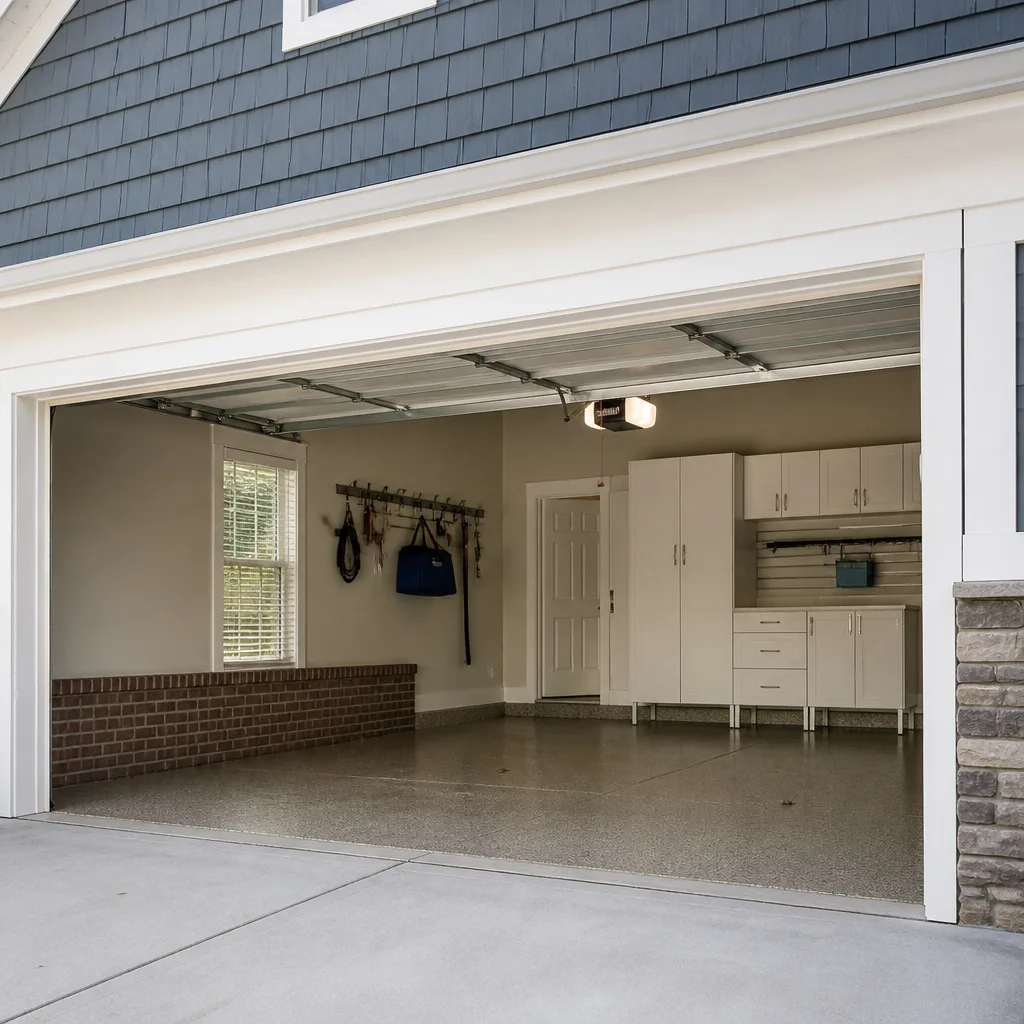 LiftMaster openers
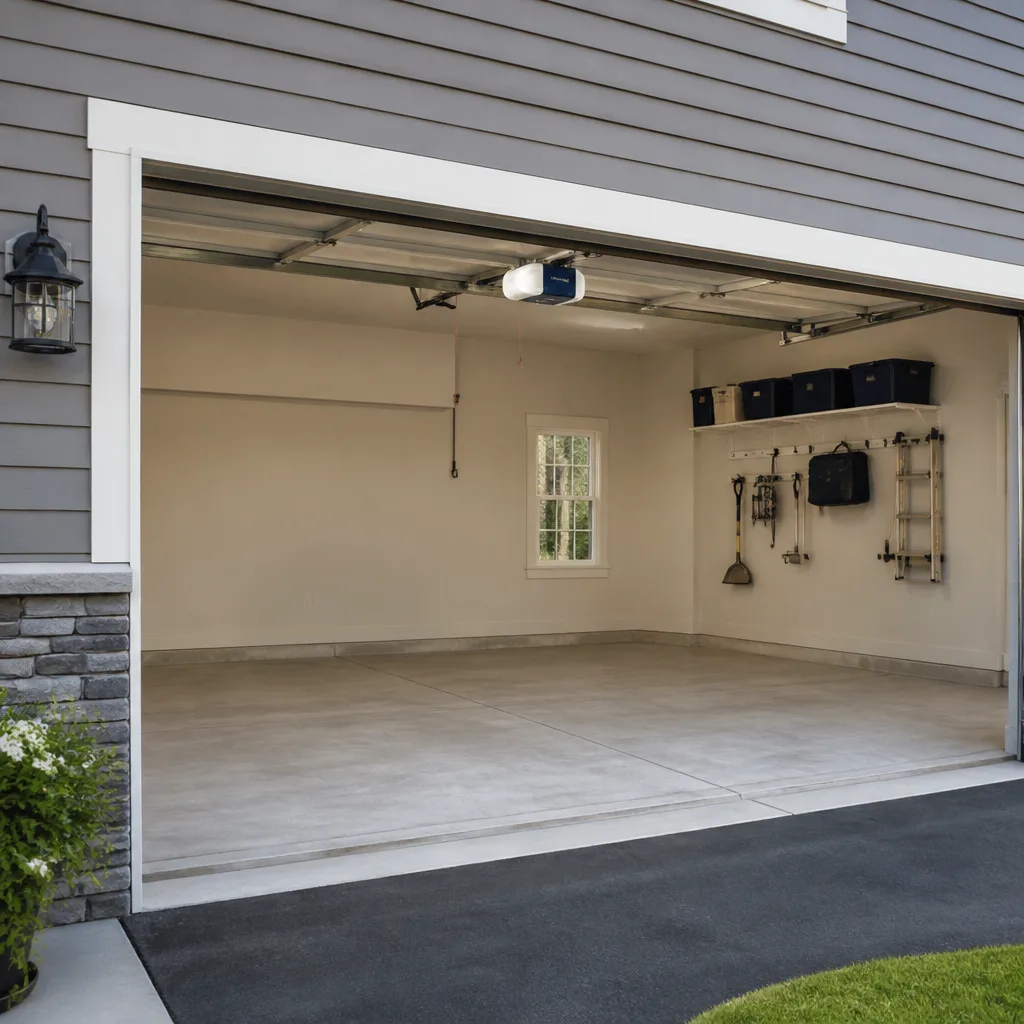 Chamberlain openers
Full 25-point door and opener safety check with every visit - springs, cables, rollers, tracks, and your LiftMaster or Chamberlain opener included
You get a price before we start. It does not change when the pro arrives.
Get your free estimateThe Complete Guide to Garage Doors in Corpus Christi
Most garage door advice written for Texas homeowners assumes dry air, mild humidity, and cheap steel. Corpus Christi doesn’t work that way. The same door that lasts fifteen years in Austin can start showing rust on the bottom panel within two or three years here, and the opener that hums along fine in San Antonio often develops circuit board trouble from constant humidity. If you’ve replaced a roller or a spring and it failed faster than the guidebook said it would, you’re not imagining things. In this guide, we’ll walk through what actually matters for a garage door in Corpus Christi – from coastal-rated hardware and hurricane-zone requirements to the opener problems locals deal with and the weatherstripping choices that make sense for a flood-prone yard. By the end, you’ll know what to look for, what to avoid, and when to call a specialist.
Styles & brands we work with
- Raised-panel steel
- Carriage house
- Modern flush
- Full-view glass
- LiftMaster openers
- Chamberlain openers
Quick Answer
A garage door in Corpus Christi needs coastal-rated hardware (stainless or hot-dip galvanized steel), hardware coatings rated for salt exposure, a door and track system sized for the local hurricane wind zone, and an opener rated for high-humidity operation. Material choice matters too: aluminum handles salt air better than standard steel, fiberglass avoids corrosion entirely but can fade, and steel only makes sense when the panel finish and hardware are specified for coastal conditions. Everything else – color, window pattern, insulation – is secondary to those four factors.
Table of Contents
- Why Coastal Conditions Change Everything
- Coastal-Rated Hardware: What to Look For
- Hurricane Wind Zones and What They Mean for Your Door
- Steel vs. Aluminum vs. Fiberglass in a Coastal Climate
- Why Openers Fail Faster Here
- Bottom Seals, Weatherstripping, and Flood-Prone Topography
- A Maintenance Routine That Actually Fits Corpus Christi
- When to Repair, When to Replace
- Common Mistakes to Avoid
- When to Call a Professional
- Frequently Asked Questions
- The Bottom Line
Why Coastal Conditions Change Everything
Corpus Christi sits on the Gulf, which means the air that surrounds your garage door on an average afternoon carries salt. Salt doesn’t just sit on metal; it accelerates oxidation, and steel that would corrode slowly in a dry climate can pit and scale much faster in a humid, salt-laden environment. Add years of humidity cycling – wet nights, hot afternoons, condensation forming inside hollow sections – and the interior of a standard door panel becomes a corrosion site you can’t see until it’s too late.
The wind matters too. Corpus Christi is designated as a hurricane wind zone, and that designation isn’t cosmetic. It shapes what panel thickness and track gauge are appropriate, how the door anchors to the structure, and how insurance and permitting may view a replacement. A door that would be perfectly acceptable inland can be the wrong specification here.
Then there’s the ground. Much of Corpus Christi is low-lying and flood-prone, and water that pools against your driveway on a heavy rain day will find the bottom of your garage door first. The bottom seal and weatherstripping choices that work in San Antonio often don’t hold up here.
Bring it together and you get one conclusion: recommendations written for inland Texas rarely fit Corpus Christi. Your door, hardware, opener, and seals need to be spec’d as a system – not lifted from a catalogue written for the Hill Country and dropped into a garage a few miles from the bay.
Coastal-Rated Hardware: What to Look For
The hardware – hinges, rollers, springs, bearings, and the bolts that hold everything together – is where coastal conditions do the most invisible damage. Standard zinc-plated hardware is fine inland. Near the bay, it starts showing surface rust within a season, and that pitting becomes a mechanical problem when rollers stop rolling smoothly or hinges stiffen.
Within roughly 5 miles of the bay, coastal-rated hardware is the right call. The two materials to insist on:
- Stainless steel – the most corrosion-resistant option for rollers, hinges, bearings, and fasteners. Higher initial cost, dramatically longer life in salt air.
- Hot-dip galvanized steel – a thick zinc coating applied after fabrication, so even cut edges are protected. A strong second choice and often more economical than stainless.
The coating grade matters, not just the metal. When you’re comparing quotes, ask what the coating is on the springs and hinges. A hardware package described as “coastal rated” without a material spec is worth challenging. Zinc-plated, powder-coated, or “rust-inhibiting” finishes are not the same as stainless or hot-dip galvanized, and they won’t hold up in Corpus Christi the way they would further inland.
Torsion springs deserve their own mention. A spring is a piece of hardened steel wire under enormous tension, and corrosion can weaken it from inside the coil. When a spring fails, it’s a dangerous event, and springs with rust visible across the coil are on borrowed time. Never try to adjust, unwind, or remove a torsion spring yourself – this is the single most dangerous part of any garage door system. Call a trained professional.
Hurricane Wind Zones and What They Mean for Your Door
Corpus Christi’s hurricane wind zone designation changes the specification of a garage door in ways most homeowners aren’t told at purchase. A garage door is the largest opening in your home, and it’s a structural element – not just a convenience. What looks like a cosmetic upgrade is actually a pressure-rated assembly, and getting it wrong has consequences for wind resistance and for how your home is protected in a storm.
What the wind zone affects:
- Panel thickness – thicker steel or aluminum is more resistant to deflection under wind pressure. A thin panel that flexes under load can be pulled out of its track.
- Track gauge – heavier-gauge track and reinforced brackets hold the door in place when wind pushes against it. Standard-gauge track from a cheaper door package can bend under the same pressure.
- Anchor and fastening schedule – the number and placement of anchors into the framing matters as much as the door itself.
- Wind-load rating on the specification – every properly spec’d door carries a rating; ask to see it in writing.
If a contractor is quoting a replacement door for a Corpus Christi home without asking about wind zone requirements, that’s a signal. A specialist knows that a factory door off the shelf is not the same as a door rated for this location. Permit requirements vary by city and by project, so confirm with the Corpus Christi building department what applies to your specific job – particularly for structural changes or new construction. We can’t provide permit determinations for your address, but a specialist will know which questions to ask before ordering.
Whether you’re replacing an existing door, upgrading to a wind-rated assembly, or having one repaired, the specification should be tied to your location, not pulled from a generic national template. For locally scoped work, see our Corpus Christi service page.
Steel vs. Aluminum vs. Fiberglass in a Coastal Climate
Material choice is where the coastal climate completely rewrites the standard advice. Inland, steel is the default – it’s strong, reasonably priced, and widely available. Here, the picture shifts depending on how the door is built and finished.
Steel
Steel remains the most common choice, and it can work well in Corpus Christi if the finish is coastal-rated and the hardware is stainless or hot-dip galvanized. The risk with steel here is the interior of the panel – if moisture gets inside a hollow steel section, corrosion begins from the inside out. Look for galvanized steel with a factory-applied powder coat, and check the warranty carefully to see whether coastal exposure is covered. Standard steel with painted hardware rusts noticeably faster here than homeowners expect.
Aluminum
Aluminum is a strong choice for coastal environments because it doesn’t rust the way steel does – it forms a surface oxide that protects the metal. It’s lighter, which makes it easier on the opener, and it handles humidity well. The tradeoff is that aluminum dents more easily than steel, and it can develop pitting if surface finishes fail. For homeowners within a few miles of the water, aluminum is often more durable over the long run.
Fiberglass
Fiberglass doors eliminate the corrosion problem entirely – no rust, no pitting. They’re also lighter than steel and typically come with a wide range of finishes. Downsides are that fiberglass can fade or chalk in strong sun, the panels can crack if struck, and it doesn’t insulate as well as a well-built steel or aluminum door with a polyurethane core. For a home that sees constant humidity and salt air, fiberglass is worth considering – especially for a detached or un-insulated garage.
How to decide
Match the material to the location on your property:
- Within a few miles of the bay: prioritize aluminum or fiberglass; if steel, ensure galvanized panels and stainless hardware.
- Mid-city, sheltered from direct bay wind: a properly finished steel door with coastal hardware works.
- Sun-exposed western wall: favor finishes rated for UV, and consider insulation to reduce heat load on the opener.
- Any location: verify the hardware package – the door panel is only half the equation.
If you’re working through this decision, our garage door repair page has notes on which failures show up most often on which materials.
Why Openers Fail Faster Here
Humidity is the quiet killer of garage door openers in Corpus Christi. Circuit boards, connectors, and the internal drive mechanism are all affected by moisture, and the failures we see here show up differently than they do inland. The most common issues:
- Circuit board corrosion – the opener’s control board develops corrosion on traces and contacts. The opener may run intermittently before failing entirely.
- Limit switch drift – the stop point of the door moves over time as humidity affects the mechanism. The door may stop short or reverse incorrectly.
- Safety sensor water intrusion or false trips after heavy rain and humidity.
- Remote and keypad battery drain and unreliable signal in high humidity.
- Drive gear wear – the plastic gear inside the opener can strip after years of use, especially on a door that runs heavy.
If you have a LiftMaster, Chamberlain, Genie, or Craftsman opener – the four brands we see most in this market – the symptoms of a failing opener can look like a door problem at first. A door that vibrates, reverses, or stops short may have an opener issue rather than a door issue. We work on all major brand openers, which is why we treat opener work as its own discipline rather than an extension of door repair.
Modern smart openers add another layer. Wi-Fi-connected openers from LiftMaster and Chamberlain are convenient, but their circuit boards are more sensitive to moisture than older mechanical units, and the connected features can fail while the motor still works fine. A specialist can diagnose both mechanical and electronic failures – not just replace the motor.
If your opener is giving you trouble, our garage door opener repair page covers what we look at first. And if you have other brand hardware – Raynor and Amarr doors show up too, as do the brands above – the diagnosis process is the same. We work on what you already have.
Bottom Seals, Weatherstripping, and Flood-Prone Topography
The bottom seal is the most overlooked component on a garage door, and in Corpus Christi, it’s also the one most likely to be wrong. Much of the city is low-lying and flood-prone, which means water doesn’t just get into your garage through a bad seal – it pools against the door in the first place.
A standard bottom seal – usually a rubber or vinyl flap – works fine for typical inland conditions. Here, three things go wrong:
- Shorter life from UV and humidity. Sun and humidity break down the rubber faster than inland climates. A seal that would last several years inland often needs replacement sooner.
- Poor water channeling. On a flood-prone driveway, the seal needs to push water away rather than let it seep under. A channel-style seal with a wider profile does better than a flat flap.
- Track and header seals. The side and top seals matter too, especially in a storm. If the perimeter isn’t sealed, wind-driven rain gets in through the sides even when the bottom is fine.
When the bottom seal is due for replacement, this is one of the few jobs a homeowner can genuinely do themselves. Damaged side and top seals are easy to identify by checking for gaps, cracking, or daylight around the edges. A well-fitted aluminum retainer with a replaceable vinyl or rubber insert lasts longer and is easier to maintain than a glued-on flap.
Check your bottom seal by closing the door and looking for daylight from inside. If you can see light coming under the door, water will find that gap too. Never adjust or bypass any safety sensor while testing this – those sensors exist for a reason, and they should always be in place and functioning.
A Maintenance Routine That Actually Fits Corpus Christi
A little routine maintenance stretches the life of any door, and in a coastal climate, it matters more than it does inland. The list here is built around what actually affects Corpus Christi doors.
- Wash the door panels. Rinse off salt deposits and grime, then dry. A gentle wash every season reduces surface corrosion significantly.
- Check hinges and rollers. Look for rust spotting. If you see pitting on hardware that was supposed to be coastal-rated, the rating isn’t holding up.
- Lubricate moving parts. Use a garage-door-specific lubricant on hinges, rollers, and springs. Avoid heavy grease that traps grit in humid air.
- Balance test the door. Disconnect the opener and lift the door halfway by hand. If it doesn’t hold, the springs need attention from a specialist.
- Look across the coil of your torsion springs. Any visible rust banding means the spring is weaker than it should be. Do not attempt to adjust it yourself.
- Check the bottom seal. Close the door and look for daylight. Replace if there are gaps.
- Run the opener safety test. Place a small object in the door’s path and confirm the door reverses. Test the safety sensors by blocking the beam.
- Test the manual release. Make sure you know how to disengage the door if the power goes out.
What you should avoid: tightening torsion springs, replacing hinges under tension, or opening the opener housing yourself. Springs store lethal force, and anything mechanical attached to them can injure you seriously. That’s a job for a trained professional, every time.
The longer-term routine – a full inspection – is best done once a year, ideally before the storm-heavy months. A specialist checks the balance, inspects the springs and cables, tests the opener electronics, and assesses the seals. If you’re not sure where to start, our Spencer Garage Door Repair team can look at the whole system instead of just the one part you noticed. Most of our repair calls in Corpus Christi start with one symptom and turn out to be a different part – which is exactly the value of having a specialist look at the whole door.
When to Repair, When to Replace
One of the most common questions we get is whether a door can be repaired or needs replacement. The answer isn’t universal – it depends on the part, the age of the door, and the condition of the hardware.
Repair makes sense when:
- A spring, cable, or roller has failed but the door panels are sound.
- The opener is faulty but the door runs cleanly by hand.
- A single panel is damaged and replacements are available for your model.
- The bottom seal, hinges, or weatherstripping needs replacement.
- The door is off-track after a minor impact and the tracks themselves aren’t bent.
Replacement makes more sense when:
- Panels are rusted through or the door is out of production and parts are unavailable.
- Repeated repairs on the same part point to an underlying sizing or balance problem.
- The hardware package is standard zinc-plated and the door is within a few miles of the bay – the corrosion will simply return.
- The door is not hurricane-wind-rated and the home’s risk profile has changed.
- The opener is more than a decade old and has had circuit board issues.
One point worth stressing: a repair on a door that isn’t rated for the local wind zone is a temporary fix. If the door specification itself is wrong, the right long-term move is a replacement that meets local requirements. A specialist can tell you which situation you’re in.
Common Mistakes to Avoid
- Buying a door built for an inland climate. A door package priced and specced for Houston or San Antonio often uses zinc-plated hardware that rusts quickly on the coast. Ask what the hardware material is, not just whether the door is “steel.”
- Skipping the wind-zone check. A door installed without regard to the local hurricane wind zone isn’t just non-compliant; it’s a structural weakness in your garage opening. Verify the rating before ordering.
- Replacing the opener when the door is the problem. A failing opener is a symptom sometimes, not the cause. Diagnose the door balance and hardware first – the fix is often cheaper.
- Ignoring the bottom seal for years. A degraded seal lets water and pests into a flood-prone garage. Check it every season and replace when you see daylight under the door.
- Using WD-40 as a long-term solution. It’s a solvent, not a lubricant, and it attracts grit that makes rollers seize up faster. Use a proper garage door lubricant.
- Attempting a torsion-spring replacement. Springs are under extreme tension. This is not a DIY job – ever. Call a trained technician.
- Choosing a door on color and style only. Aesthetics matter, but in Corpus Christi the specification matters more. Choose the coastal hardware package and wind rating first, then pick the finish.
When to Call a Professional
Some jobs a homeowner can handle – a visual inspection, a bottom seal replacement, and a wash of the panels. Everything else should go to a specialist. Call in a professional for: a broken or sagging door, an opener that won’t respond to the remote, a door that reverses before closing, a door that has come off its track, any visible rust banding on the springs, snapped cables, or a reversal after you’ve replaced the remote batteries. For any of those, stop using the door and call.
Spencer Garage Door Repair offers free estimates in Corpus Christi. We work on what you already own, whichever brand, and we treat opener electronics as a specialty. Call (866) 389-3763 for a free estimate. We answer 24/7. Fast dispatch from 7am to 7pm, Sunday through Friday.
Frequently Asked Questions
Typical garage door spring repair in Corpus Christi runs from $180 to $340 for a single spring, and that’s the estimate for the spring itself – a matched pair replaced together is roughly double. The exact price depends on the door type, spring size, and whether coastal-rated hardware is involved. The written estimate sets the final price, and it’s always quoted before any work starts. Call (866) 389-3763 for an exact quote – estimates are free.
In most cases, yes. Same-day service is available on repair jobs, and our dispatch runs from 7am to 7pm, Sunday through Friday. If you call with a door stuck open or stuck closed, we’ll confirm timing when you call. We answer 24/7. Call (866) 389-3763.
No – our pricing is quoted and agreed before any work starts. The written estimate sets the price you pay, and any change to the scope is discussed with you first. No surprise invoices. Call (866) 389-3763 for a free estimate.
Yes – our technicians are trained and experienced on all major garage door and opener brands, and we’re insured for the work we perform. Brands we work on include LiftMaster, Chamberlain, Genie, Clopay, Amarr, Wayne Dalton, Craftsman, and Raynor. Call (866) 389-3763 for a free estimate.
Yes. Salt air, humidity cycling, and sun exposure all accelerate corrosion and wear compared with inland climates. A door that would last fifteen years in San Antonio may show significant hardware corrosion within a few years near the bay. Coastal-rated hardware (stainless or hot-dip galvanized) and a proper finish matter more than most buyers realize.
Corpus Christi is in a hurricane wind zone, and a properly rated door is a serious structural consideration for your home. The requirements vary depending on your property and the specific project. Check with the city’s building department for what applies to your address, and ask a specialist what rating the replacement door should carry. Call (866) 389-3763 for a free estimate.
The Bottom Line
A garage door in Corpus Christi is a different animal than a garage door in Dallas or the Hill Country. Salt air, humidity, hurricane wind zones, and flood-prone ground all shape what’s right for your home, and generic recommendations written for inland Texas will cost you time and money. Prioritize coastal-rated hardware – stainless or hot-dip galvanized – over any other specification. Confirm the wind rating before you order a replacement door. Treat the opener as a specialist component, and keep the bottom seal in good condition. When in doubt, get a written estimate before any work begins, and never attempt torsion spring work yourself. That’s the formula for a door that lasts here.
Written by the team at Spencer Garage Door Repair.
See the difference
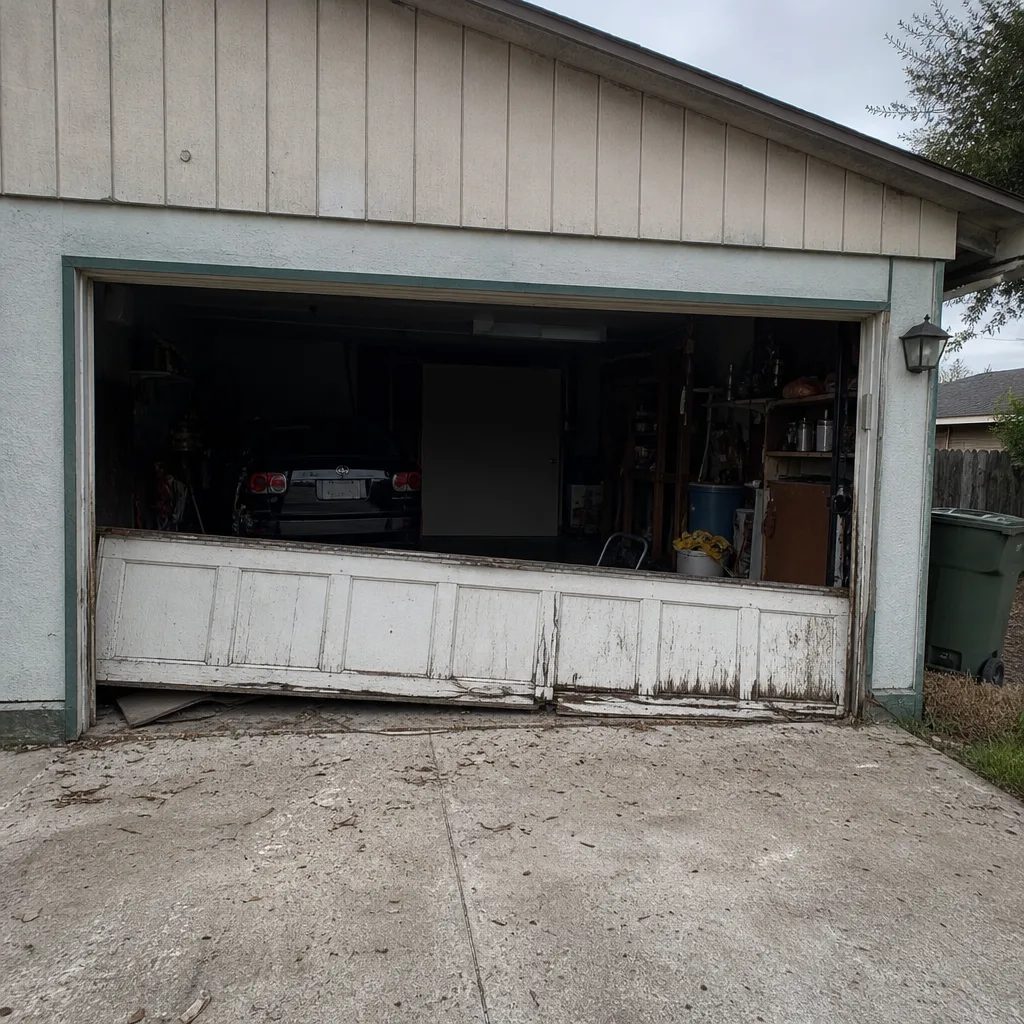 Before
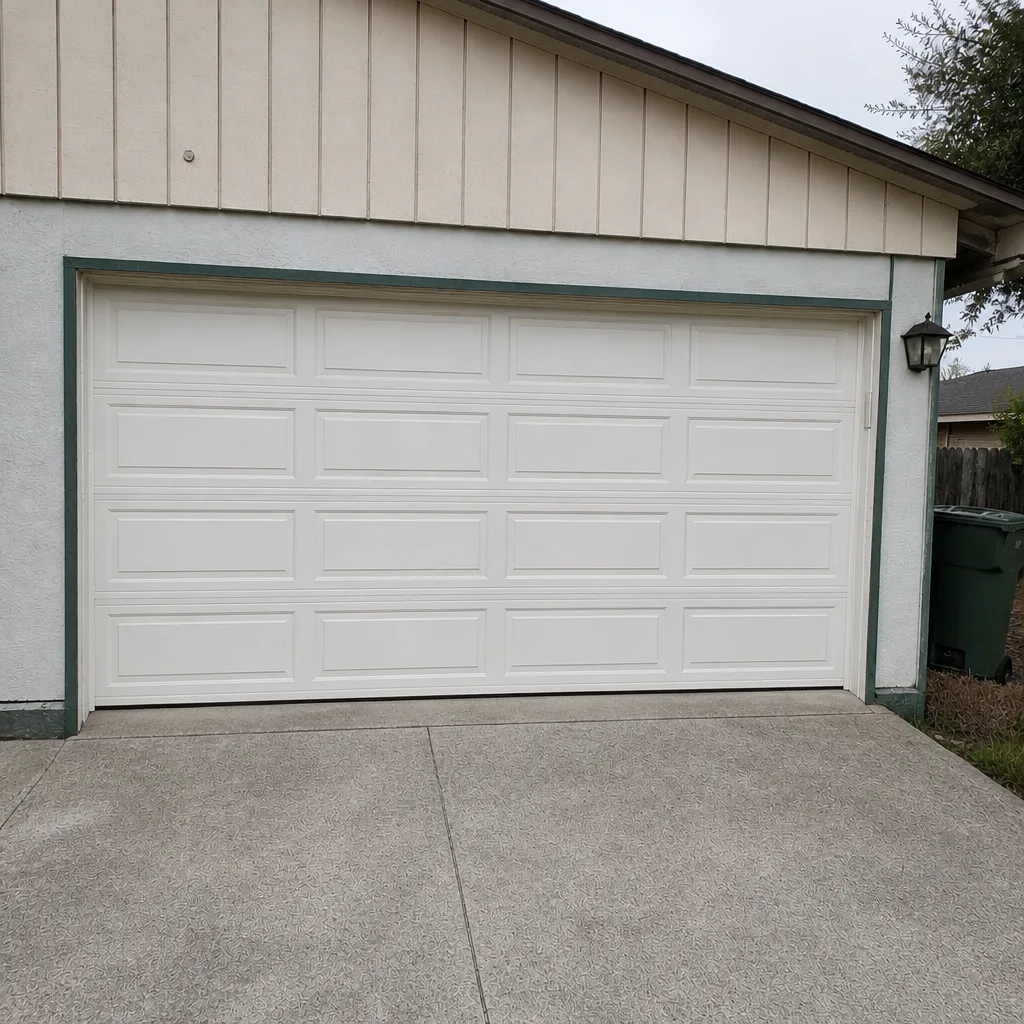 After
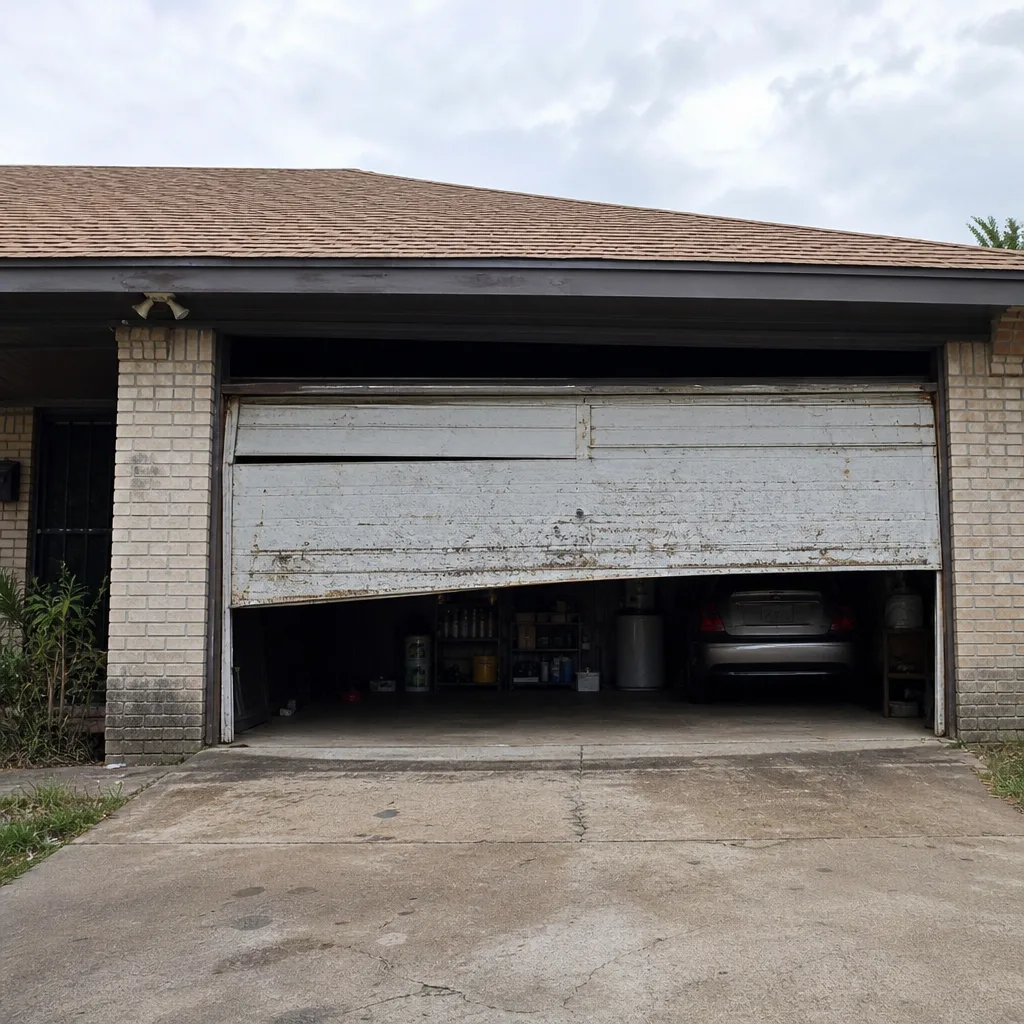 Before
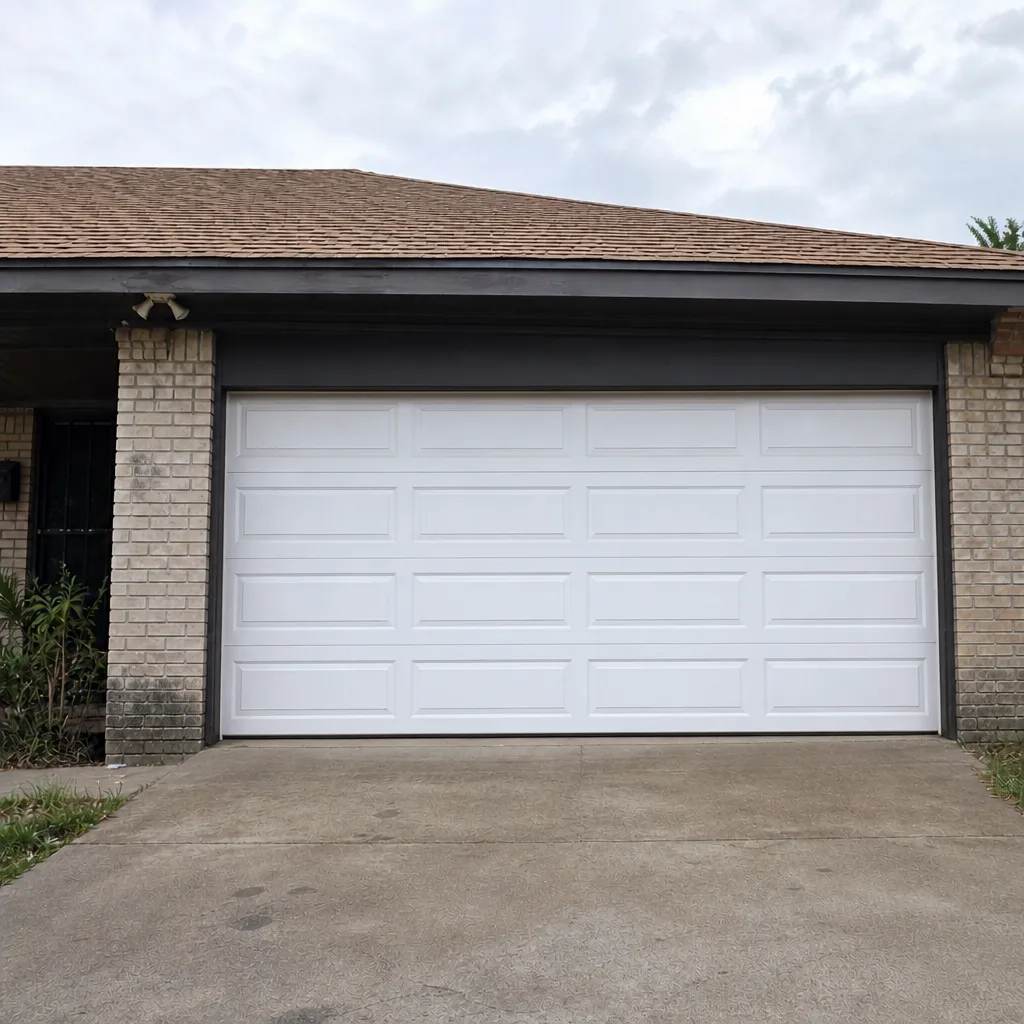 After
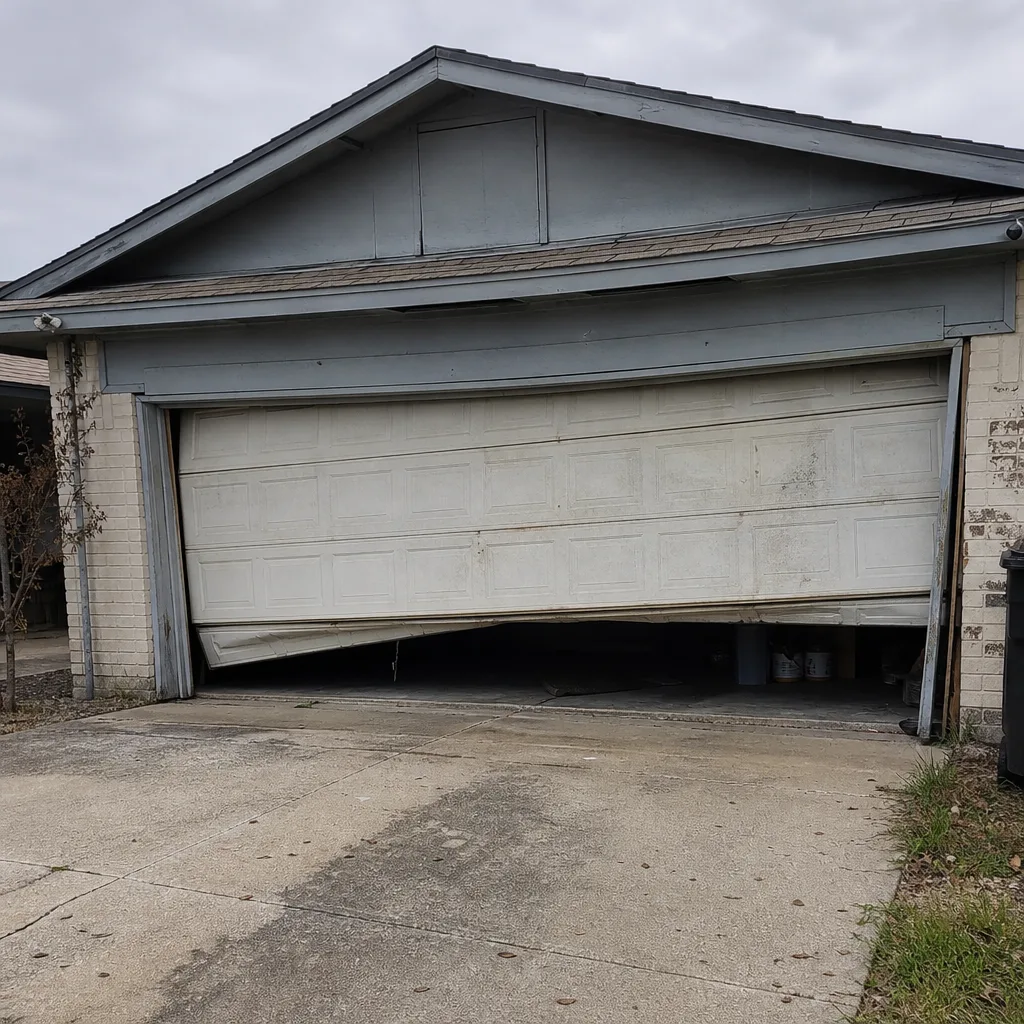 Before
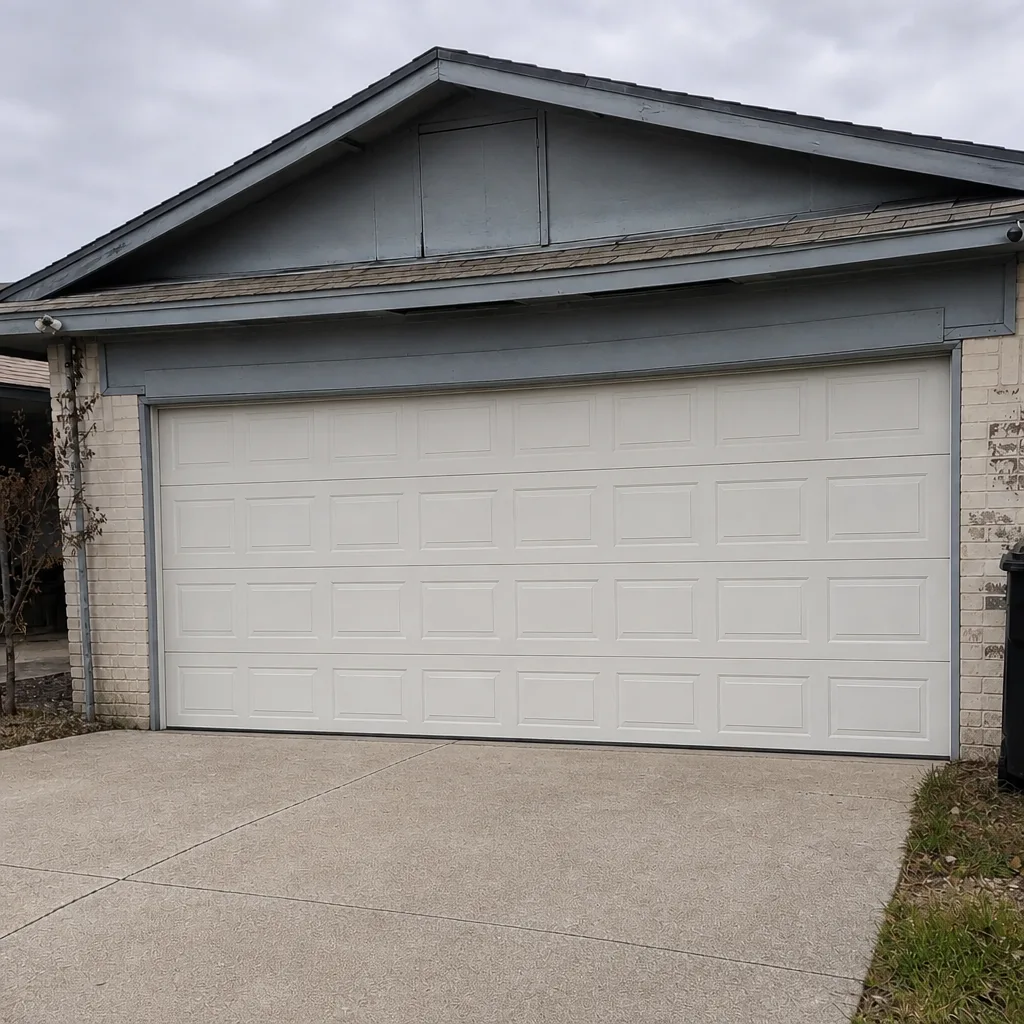 After