
Last updated November 15, 2026
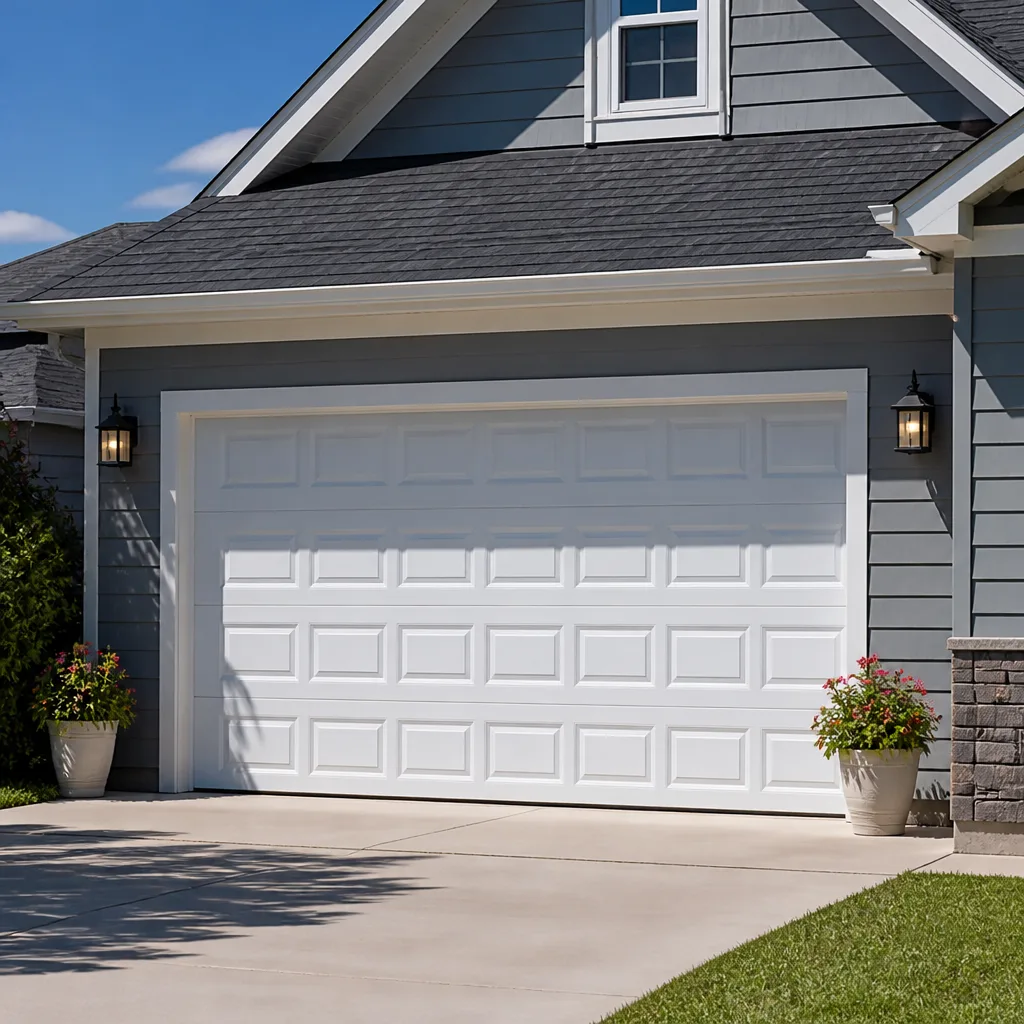 Raised-panel steel
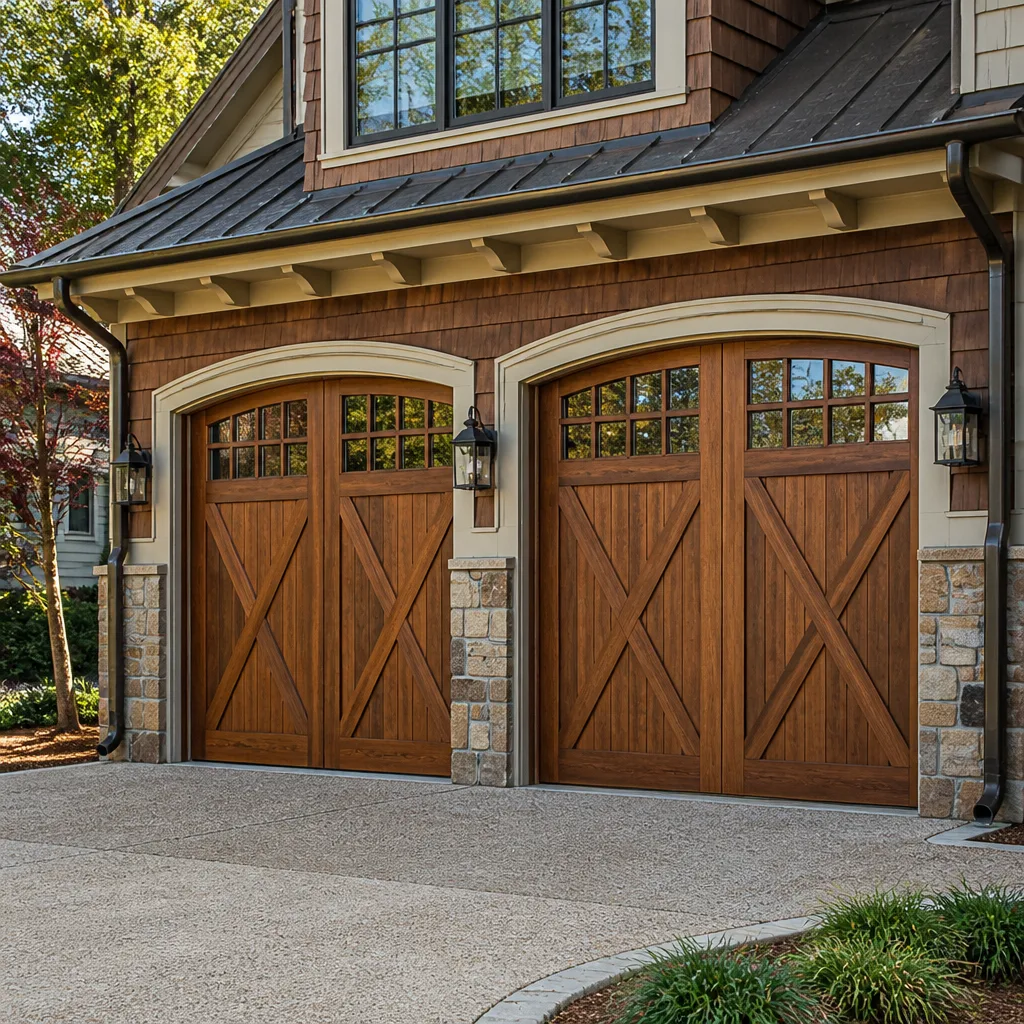 Carriage house
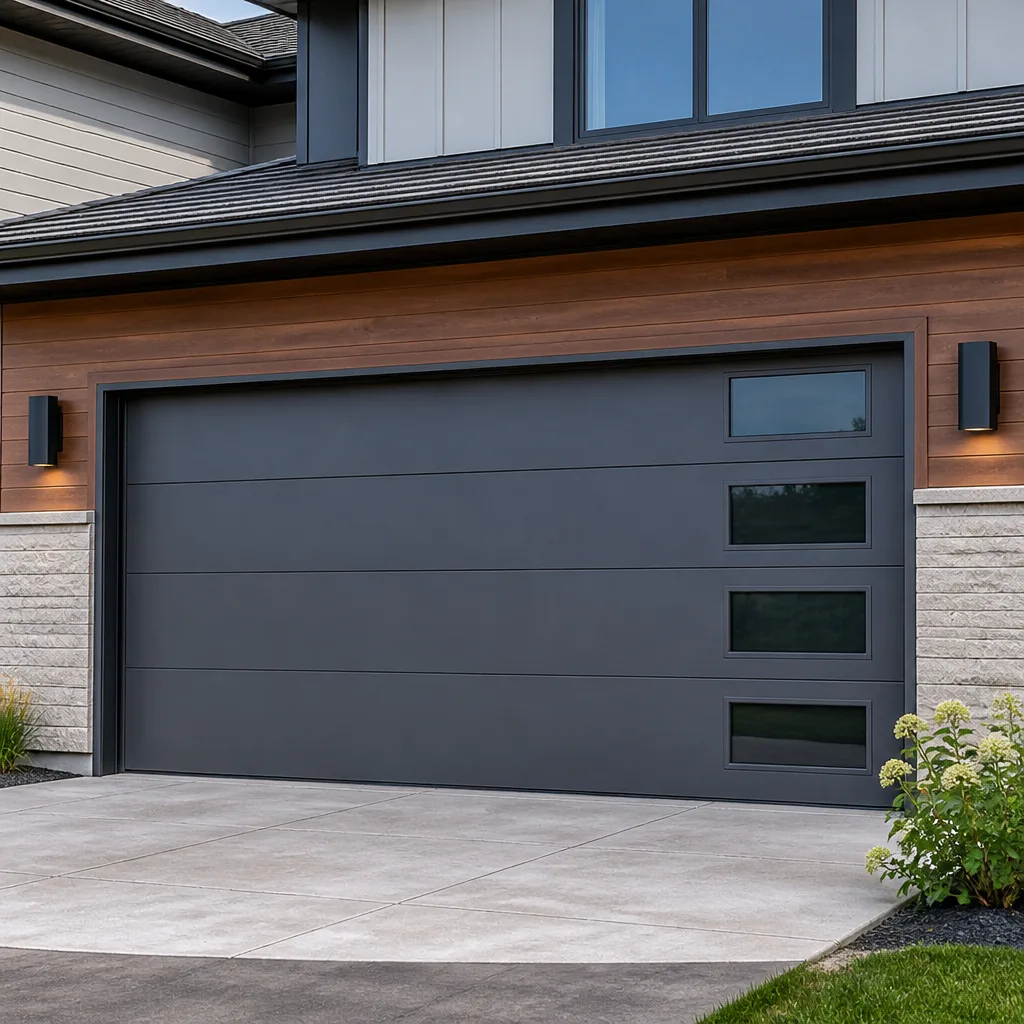 Modern flush
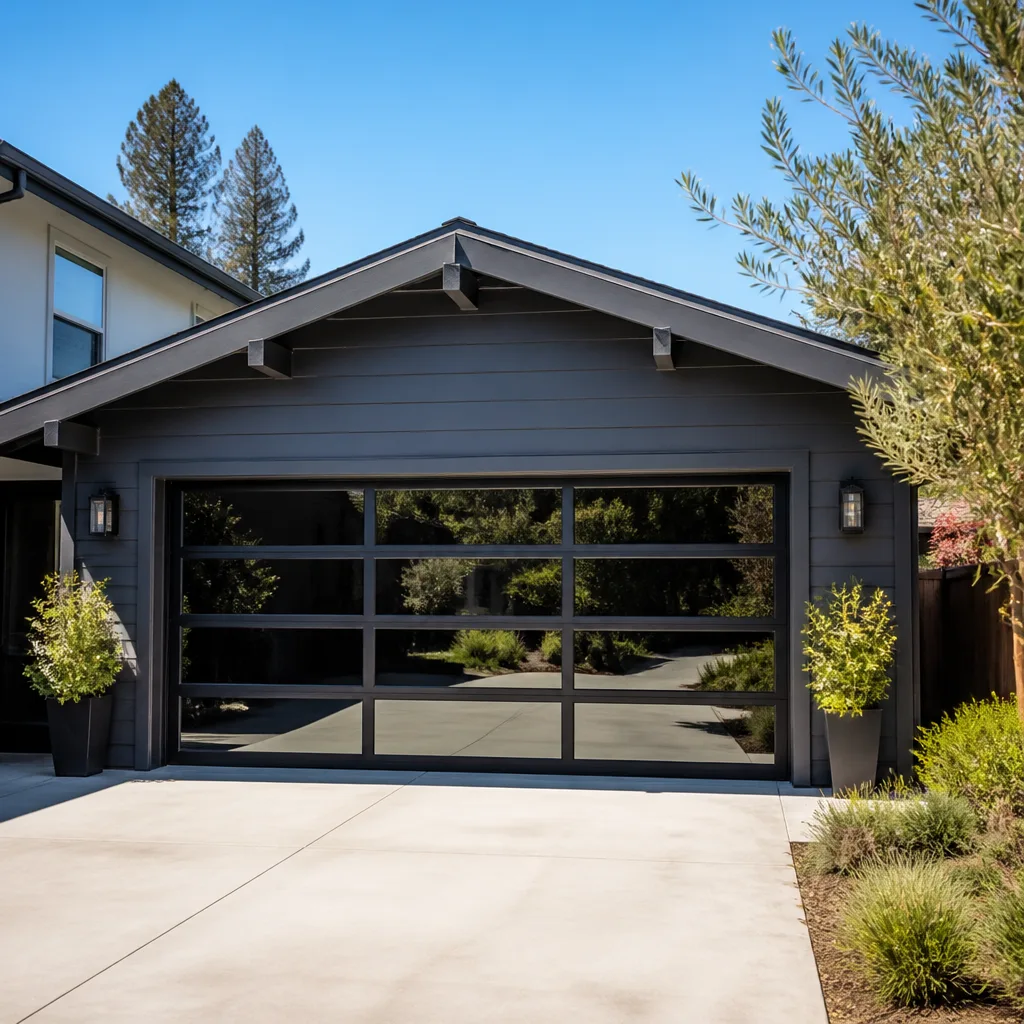 Full-view glass
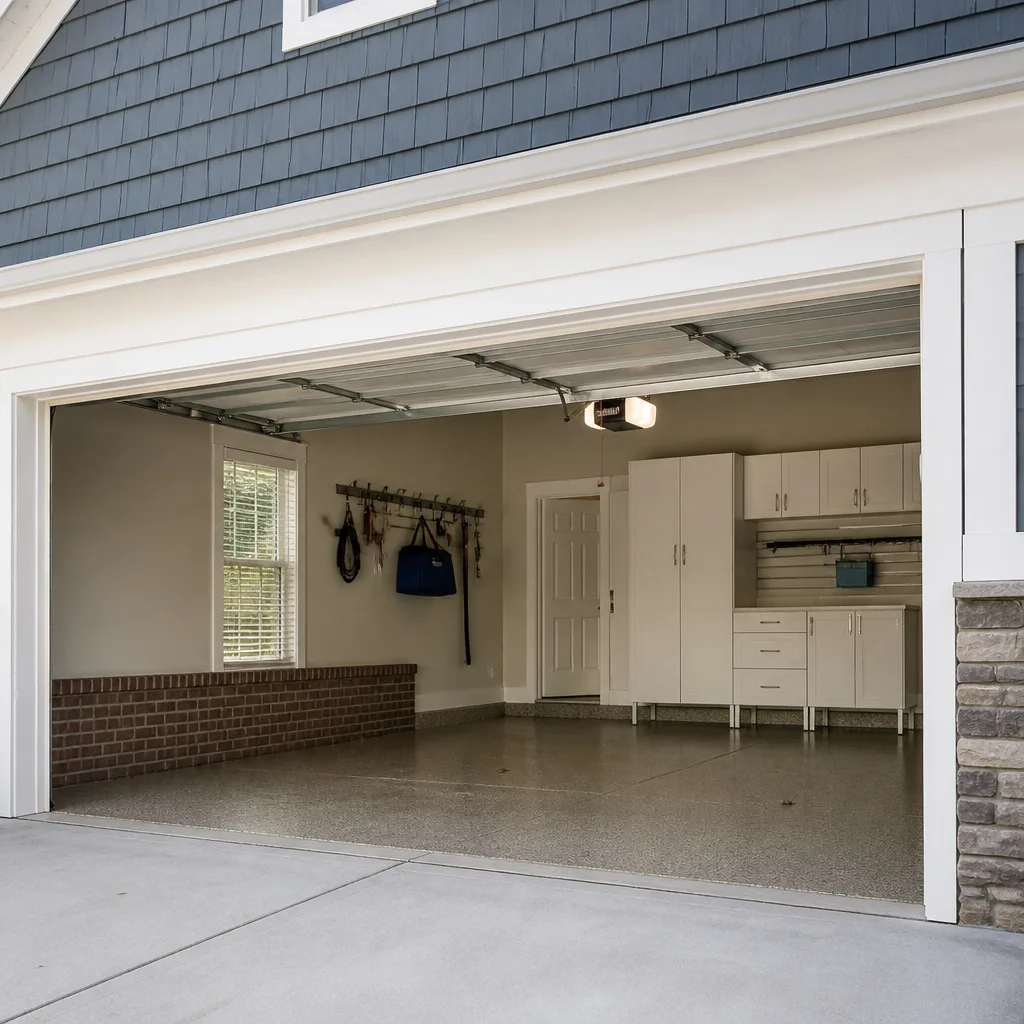 LiftMaster openers
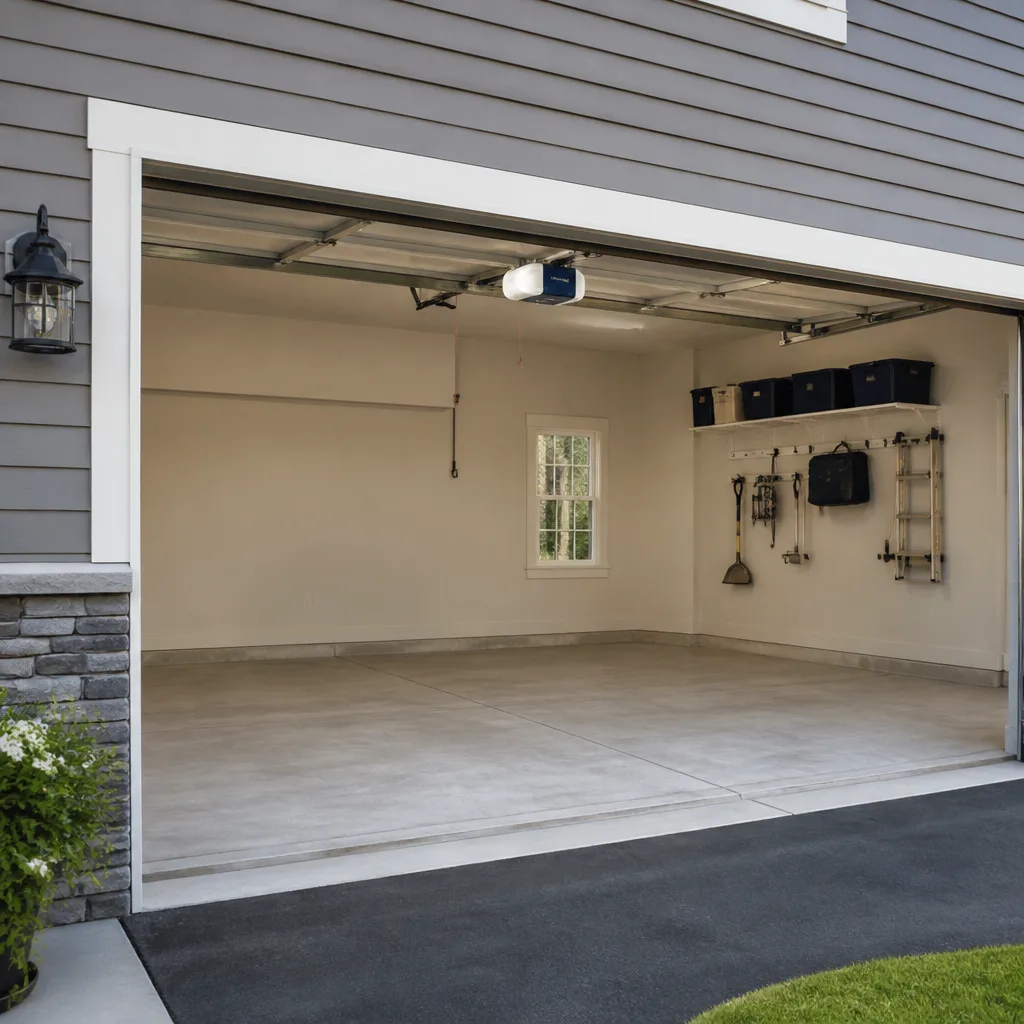 Chamberlain openers
Full 25-point door and opener safety check with every visit - springs, cables, rollers, tracks, and your LiftMaster or Chamberlain opener included
You get a price before we start. It does not change when the pro arrives.
Get your free estimateGarage Door Emergency Preparedness Guide for Corpus Christi Homes
Most Corpus Christi homeowners assume their garage door will fail on a normal weekday, with plenty of time to call for help. In our experience, the harder truth is that the failures that matter most tend to happen when the power is out, the wind is rising, and a mandatory evacuation order has just been issued. The one part of the door you’d need to override in that moment, the manual release, is also the part almost nobody tests. This guide covers how to prepare a Corpus Christi garage door for storm season, how to open it during an outage, and how to triage damage safely afterward.
Quick Answer
Emergency garage door preparedness in Corpus Christi means testing your manual release before you need it, knowing how to raise the door by hand during a power outage, and having a plan for post-storm damage assessment. The disconnect cord seized from years of disuse is the single most common failure homeowners discover at the worst possible moment. Test it now, while conditions are calm, and you’ll be able to get your car out when it counts.
Styles & brands we work with
- Raised-panel steel
- Carriage house
- Modern flush
- Full-view glass
- LiftMaster openers
- Chamberlain openers
Table of Contents
- Why Garage Door Emergencies Are Different in Corpus Christi
- How Do You Use the Manual Release on a Garage Door?
- How to Test Your Manual Disconnect Before an Emergency
- What to Do When the Power Goes Out
- Battery Backup Openers: What They Really Deliver
- How to Assess a Damaged Door After a Storm
- Emergency Bracing and Storm Bars
- Who to Call and What to Say During a Post-Storm Backlog
Why Garage Door Emergencies Are Different in Corpus Christi
A garage door emergency in Corpus Christi is usually a storm-preparedness problem wearing a mechanical costume. The door itself rarely fails on a calm day in a way that traps you. What traps you is the combination of no power, a hurricane warning, and a release mechanism that hasn’t moved since it was installed.
The climate here adds a specific kind of wear. Heat and humidity work on the small parts of a door system year after year. Metal cables, the trolley carriage, and the release cord itself can stiffen or corrode when the door sits idle. In a garage that’s used for storage and rarely opened by hand, the disconnect can become genuinely stuck without anyone noticing. That’s not neglect on the homeowner’s part; it’s just that nothing prompts you to test it.
Then there’s the evacuation timing. When an order comes down, families want to be on the road within an hour. That’s when a seized cord turns into a real problem. The car is inside, the door won’t lift, and there’s no obvious way to override it without damaging something.
Treat your door the way you treat your storm supplies. Check it before the season, not during the warning. Our technicians have up to 15 years of experience, and the pattern is consistent: the homeowners who breeze through evacuations are the ones who tested their release on a quiet afternoon in the spring.
How Do You Use the Manual Release on a Garage Door?
To open a garage door by hand, you pull the emergency release cord hanging from the opener’s trolley, then lift the door slowly and carefully. The cord disconnects the door from the opener’s drive system so the door moves freely on its tracks. Here’s the full sequence, step by step.
- Make sure the door is fully closed before you pull the cord. Releasing a partially open door lets it drop, and that’s dangerous with a spring under tension.
- Locate the release cord. It hangs from the trolley that rides the rail above the door, usually with a red handle or tag.
- Pull straight down firmly. You should feel the trolley disengage from the carriage. A gentle pull won’t do it if the mechanism is stiff.
- Lift the door by hand using the bottom section or the lift handle if your door has one. Raise it slowly and let it settle into the open position.
- Check that the door stays up. A properly balanced door should hold open on its own. If it sinks, the springs or balance are compromised, and you shouldn’t rely on lifting it manually again until a technician looks at it.
Reconnecting is the reverse: close the door fully by hand, then pull the release cord again (or follow your opener’s manual) so the trolley re-engages the carriage. Run the opener once and watch the door travel to confirm it caught.
If the cord won’t pull, don’t force it to the point of breaking. A seized release is a service issue. That’s the kind of thing our garage door opener repair team handles, and it’s worth fixing before storm season rather than after.
How to Test Your Manual Disconnect Before an Emergency
A manual disconnect that hasn’t been exercised in years is the most common hidden failure we come across in Corpus Christi garages. Testing it once takes about five minutes and tells you everything you need to know. Do it on a calm day, with nothing on the schedule and no traffic behind you.
- Close the door and unplug the opener at the ceiling outlet, or switch off the breaker that feeds it. This prevents the motor from fighting you during the test.
- Pull the release cord. It should move with firm, steady resistance and then click free. If it feels welded in place, stop and note it.
- Lift the door by hand. It should rise smoothly and stay open. A door that’s heavy, jerky, or won’t hold position has a balance problem worth fixing.
- Lower it slowly and let it close fully under control.
- Reconnect the trolley and restore power. Run the opener through one full cycle and watch the door go up and down.
If any step fails, write it down and get it looked at. A seized release, a door that won’t stay open, or a cord that’s frayed where it meets the trolley are all fixable. The important thing is that you find out now, on your terms. The garage door repair side of our work exists for exactly this, and it’s a much easier conversation in calm weather than during an evacuation warning.
What to Do When the Power Goes Out
When the power goes out, your first job is to confirm the opener has no power, then use the manual release to raise the door by hand. Here’s the protocol, in the order that keeps you safe.
- Don’t force the door while the opener is engaged. Pulling or prying on a door still connected to the drive system can strip the opener gear or damage the trolley.
- Pull the release cord only when the door is closed. That’s the safe position for mechanical release.
- Use two hands and lift from the center of the bottom section where the door is strongest, not from a single corner panel.
- Prop nothing under a raised door you don’t trust. A door that won’t hold open is a door with a balance issue; don’t walk under it, and don’t park under it.
- Keep the opener unplugged until you’ve either reconnected the trolley or had a technician out, so a surprise power return doesn’t activate a disconnected drive.
If you’re dealing with a power outage and the cord is stuck, that’s the moment to call for help. In Corpus Christi during a major outage, service demand spikes, so getting on the list early matters. We answer 24/7. Fast dispatch from 7am to 7pm, Sunday through Friday. A call outside dispatch hours is booked into the next opening.
Battery Backup Openers: What They Really Deliver
A battery backup opener can raise and lower your door several times during an outage without grid power, which buys you time to get a car out and the door secured. It does not run indefinitely, and it won’t help if the door’s springs or balance are shot. Understand what the unit can do before you rely on it.
Most major manufacturers make battery backup units, and we work with all of them. LiftMaster and Chamberlain both offer lines with backup built in, and Genie and Craftsman are widely installed around Corpus Christi as well. The key thing to know is that runtime depends on how many cycles you demand and how healthy the battery is. A backup opener that’s been in a hot garage for years with an uncharged battery may give you one lift, or none.
Heat matters here. Garages in Corpus Christi get genuinely hot through the summer, and batteries degrade faster in sustained heat than they do in cooler climates. That means checking the battery more often than the manual might suggest. A few concrete things you can do:
- Test the backup function once before storm season by switching off the opener’s power and operating it on battery alone.
- Note how many times it lifts and lowers before it quits. That number is your real-world capacity.
- Watch the indicator on the opener head; most backup units show a battery status light or beep when the battery needs attention.
- Replace the battery on the schedule the manufacturer recommends rather than waiting for it to die mid-outage.
If you’re replacing an opener or adding one, we install and service backup-capable units from brands like LiftMaster and Chamberlain alongside the rest of the major names. Talk to us about what fits your door and how much runtime you want, and we’ll give you a straight answer. That’s the same conversation our Spencer Garage Door Repair team has with homeowners across the area whenever they upgrade openers.
How to Assess a Damaged Door After a Storm
After a storm, look at the door from outside and inside before you touch anything, and call for help if you see bent tracks, separated panels, or a door off its rollers. A compromised door can fail suddenly, and the safest move is to assess without disturbing it. Here’s how a careful triage looks.
- Stand back and scan the whole door first. Look for panels out of line, tracks bent or separated from the wall, and the door sagging to one side.
- Check whether the door is still on its rollers. A door that’s come off one or more rollers is under load and shouldn’t be operated or pushed by hand.
- Listen, don’t pull. A creaking or popping sound when the door moves even slightly is a warning sign. Leave it alone.
- Inspect inside for damage to the springs and cables. Look, don’t touch. A damaged spring or cable under tension can snap and cause serious injury, which is why spring and cable work belongs to trained technicians, not homeowners.
- Document what you see with photos so you can describe it accurately when you call.
- Secure the opening safely if the door won’t close and you need to leave, using temporary measures rather than forcing the door.
If you’re not sure whether the door is safe, assume it isn’t and call a professional. The Corpus Christi heat and humidity will keep working on a damaged door, and a small track problem left alone becomes a bigger repair.
Emergency Bracing and Storm Bars
Emergency bracing with a storm bar can temporarily secure a compromised door ahead of a storm, but it’s a stopgap, not a repair. A storm bar is a horizontal brace that runs across the inside of the door to reinforce the panels and give the door more resistance to wind pressure. It’s useful when a door has damage and time is short, and it’s a genuine preparation item for storm season in Corpus Christi.
Here’s what a homeowner should know about bracing and storm bars:
- Bracing is temporary. It’s there to get you through a weather event, not to be a permanent fix for a damaged door.
- It’s not a substitute for repair. If a track is bent or a panel is separated, bracing may hold the door but won’t make it safe to operate.
- Storm bars can be installed ahead of time on many doors as a preventive measure, before anything goes wrong.
- Fit matters. A bar that’s too short or poorly mounted won’t do the job; it has to match the door width and sections.
- Check local requirements first. Code and permit rules vary for garage door modifications, so confirm with the city’s building department before installing anything permanent.
If you want to add a storm bar or have a door braced in an emergency, call us. Reach us at (866) 389-3763 and tell us the door’s condition. If you’re planning ahead, our free estimate will show you the cost before anything is ordered or installed.
Who to Call and What to Say During a Post-Storm Backlog
When a storm passes through Corpus Christi, garage door service demand climbs sharply, and getting prioritized comes down to how clearly you describe the problem when you call. A concise, specific report moves you up the list faster than a vague one. Here’s what to have ready.
- Describe the failure concretely. “The door is off its track on the left side and won’t close” beats “my door is broken.”
- Note whether the door is trapped open or closed. This affects urgency, and we need to know.
- Identify the door and opener brand if you can. Brand and model help us arrive with the right knowledge. We work on Amarr, Wayne Dalton, Craftsman, Raynor and the rest of the major names, so no matter what’s in your garage, we know its quirks.
- Say whether you have a car trapped inside or a security concern, since that changes how quickly we need to get there.
- Send photos if possible. A clear photo of the damage helps us plan the repair before we arrive.
- Have your address and contact details ready so the call moves quickly.
Once you’re on the list, we’ll give you a realistic window. Same-day service is possible for many urgent calls during dispatch hours, but in a major backlog we’ll tell you the truth about timing rather than overpromise. If your door can be manually opened and left secured, that often makes the wait safer.
Call (866) 389-3763. We answer 24/7. Fast dispatch from 7am to 7pm, Sunday through Friday. If you’re calling outside dispatch hours, we’ll book you into the next opening.
Common Mistakes to Avoid
- Never testing the manual release until an emergency. The cord that hasn’t moved in years is the cord most likely to be seized when you need it. Put a reminder on the calendar before storm season and test it then.
- Forcing a stuck door while the opener is engaged. Pulling or prying a door that’s still connected to the drive can strip the opener gear or bend the trolley carriage. Release first, then lift.
- Assuming a battery backup will carry you through. In a hot Corpus Christi garage, a backup battery can lose capacity quietly. Test it each season and note how many lifts it actually gives you.
- Standing under or walking past a damaged door. A door with bent tracks or off its rollers can come down without warning. Assess from a distance and call a technician rather than testing it.
- Touching springs or cables to “see if they’re loose.” These parts are under heavy tension and can cause serious injury. Leave them to trained technicians.
- Waiting to call until everyone is calling. After a major Corpus Christi storm, service backlogs build quickly. Call as soon as you have damage, not after you’ve tried everything else.
- Installing a storm bar or permanent bracing without checking local rules. Confirm requirements with the city’s building department before making any modifications to your door.
See the difference
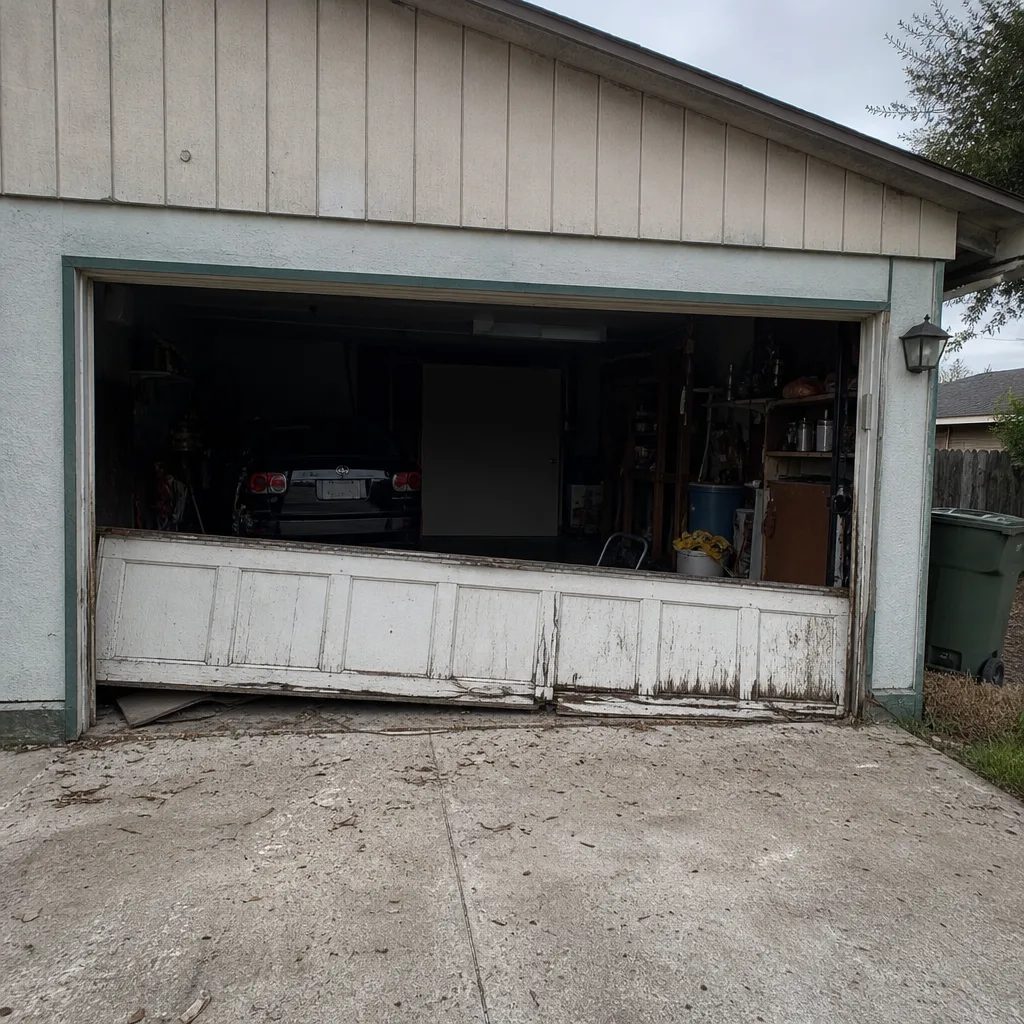 Before
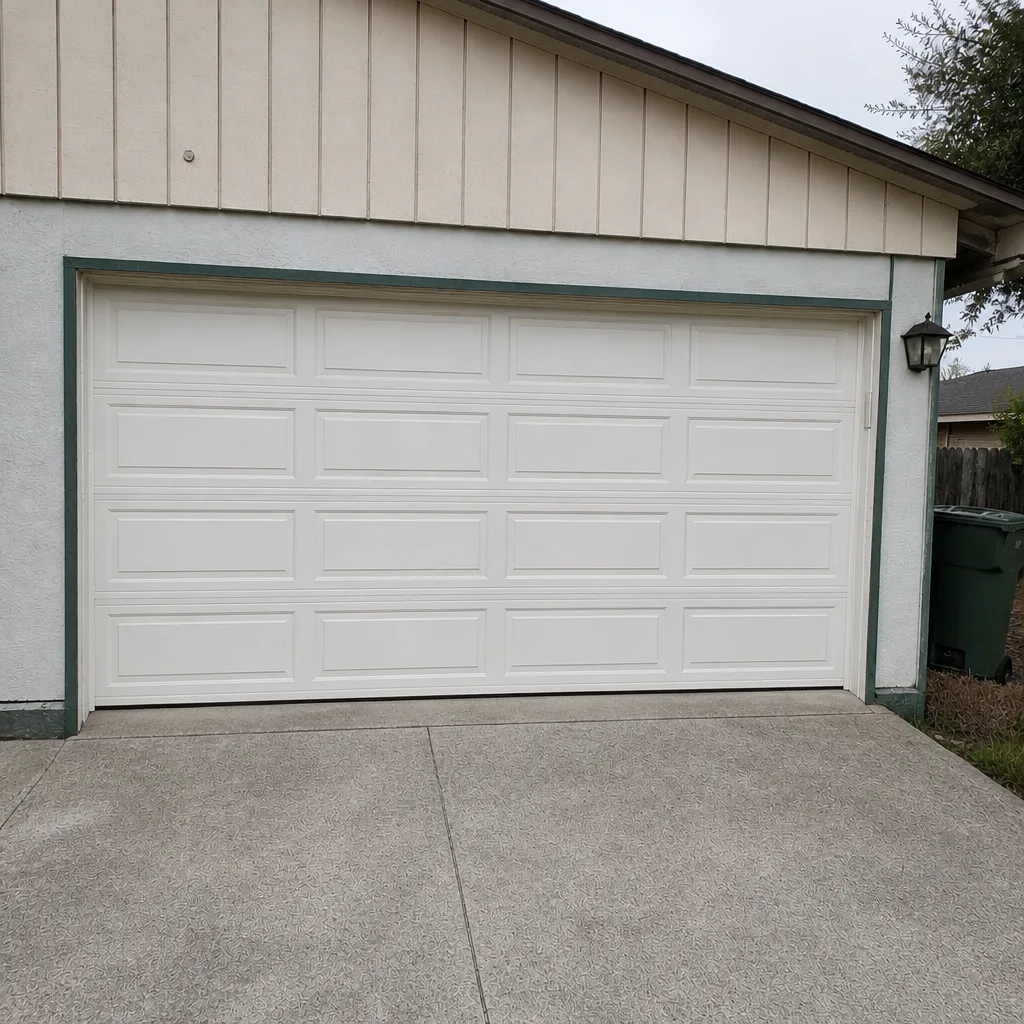 After
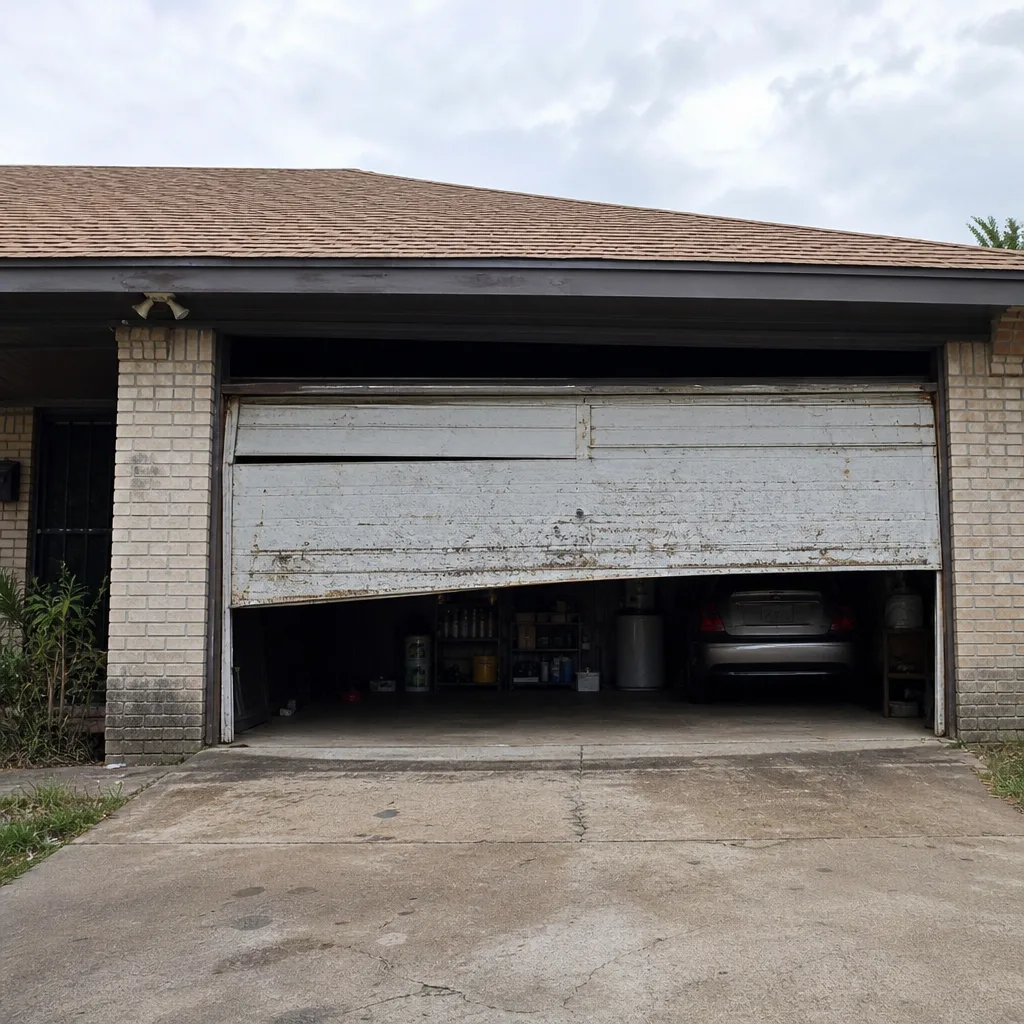 Before
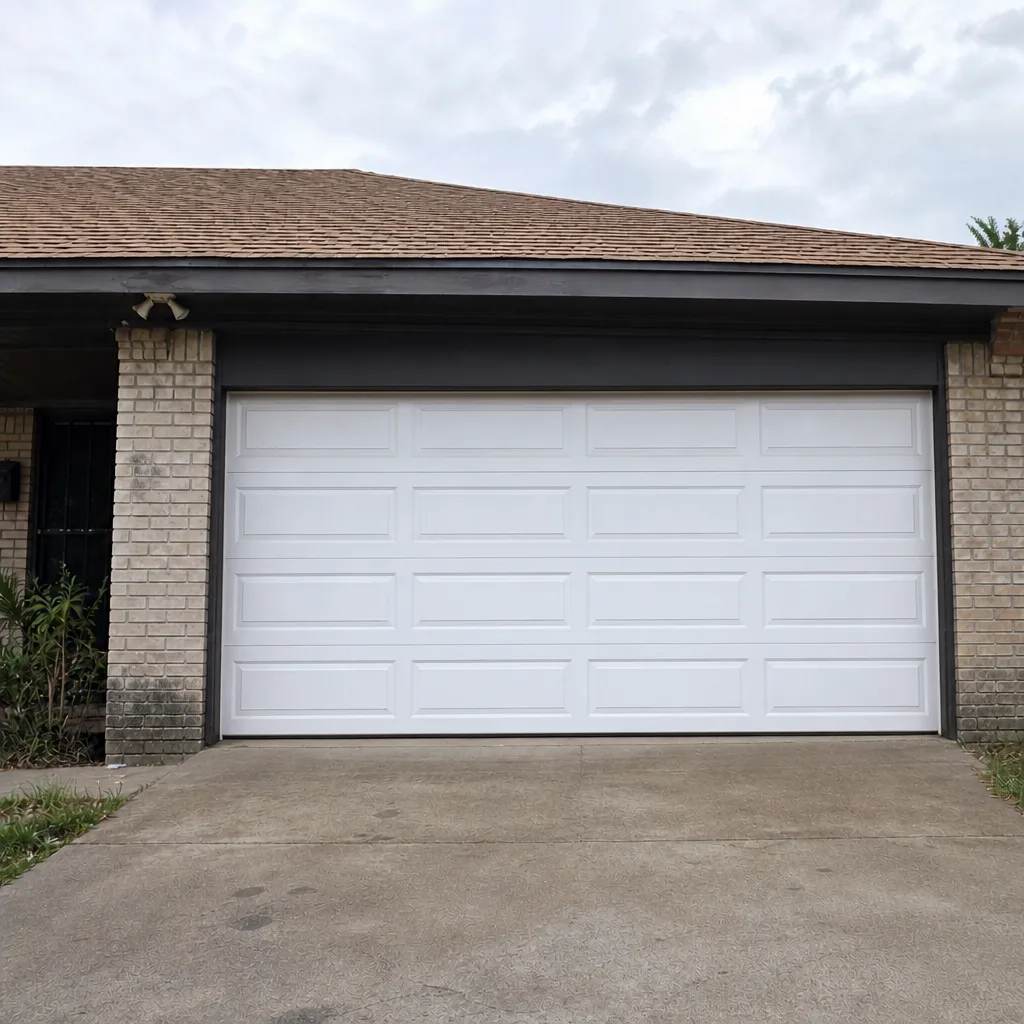 After
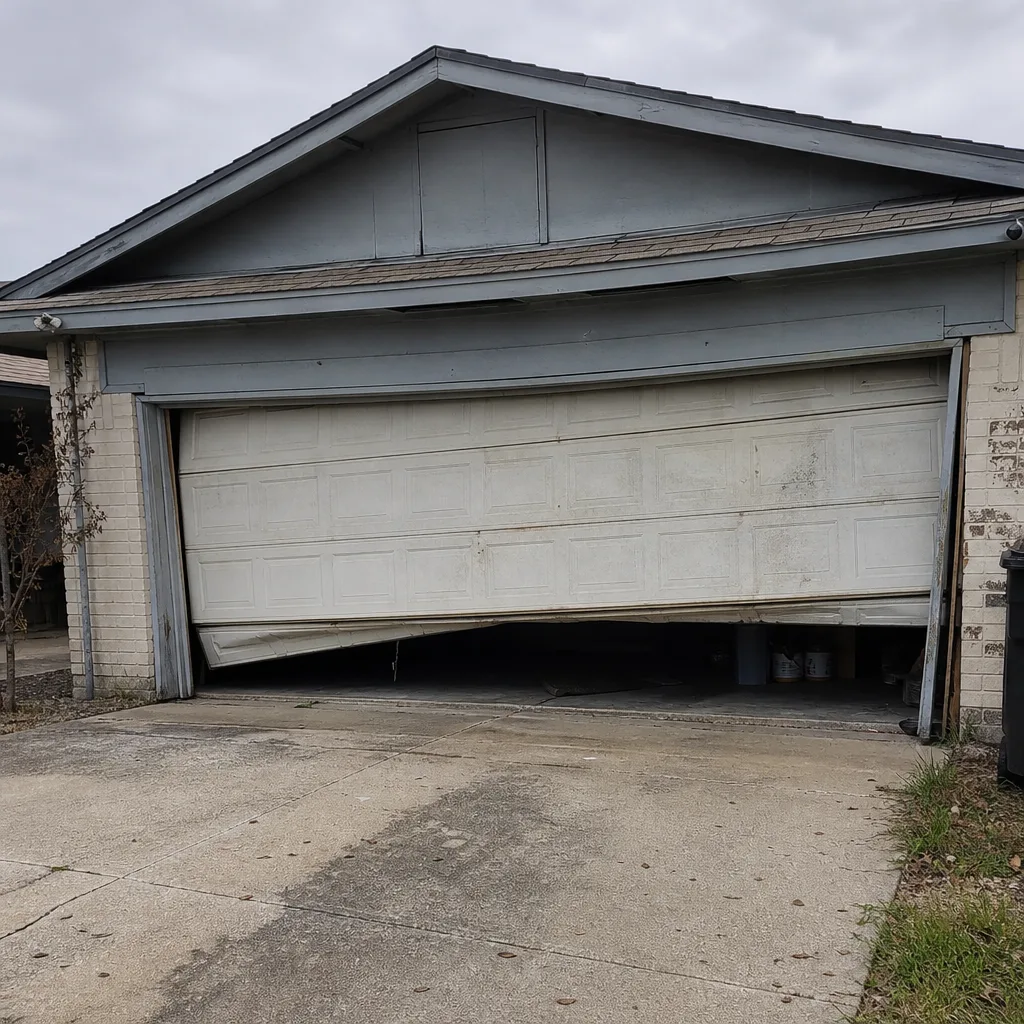 Before
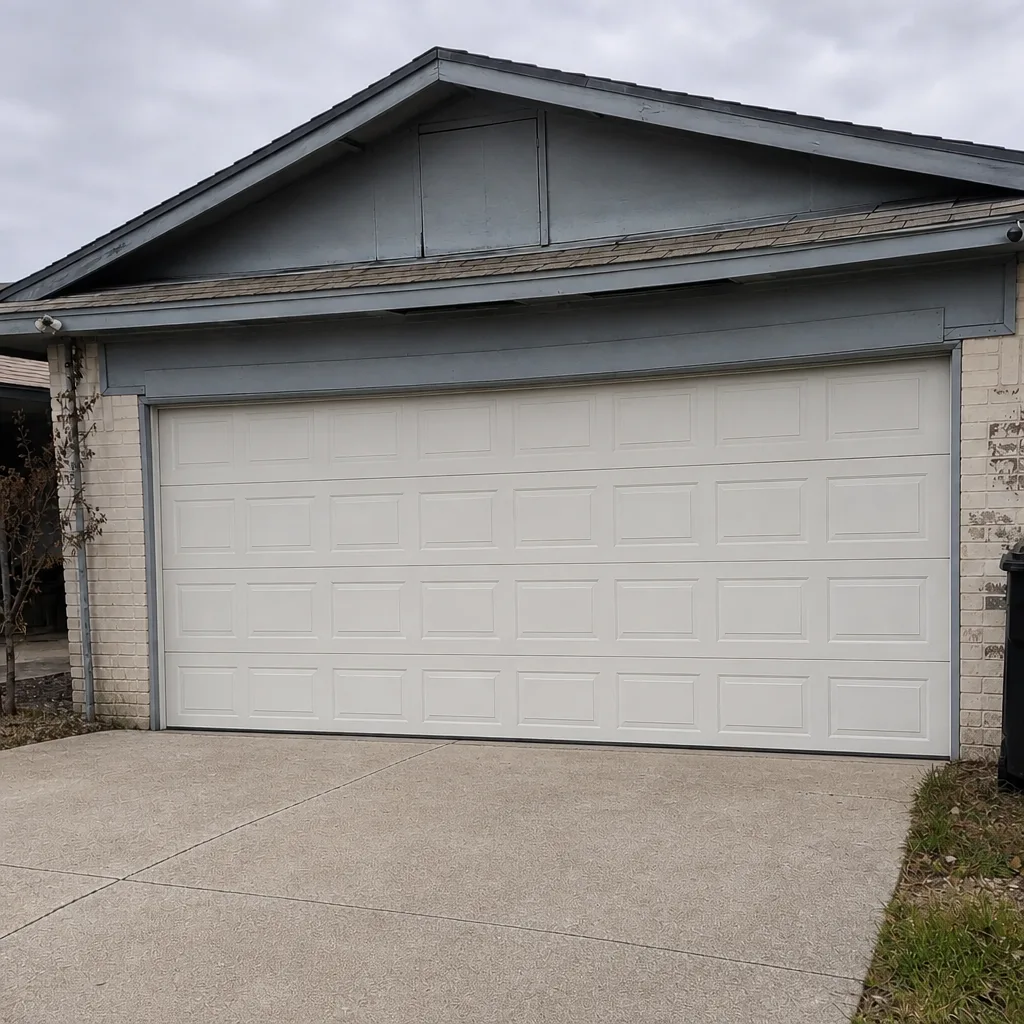 After
When to Call a Professional
Call a professional when the door won’t open by hand even with the release pulled, when you see bent tracks, separated panels, or a door off its rollers, when the springs or cables look damaged, or when a battery backup fails a test you’d rather not repeat in an emergency. Those are problems that need a trained eye and shouldn’t be forced by a homeowner, especially under storm pressure. Spencer Garage Door Repair offers free estimates in Corpus Christi – call (866) 389-3763. We’re dedicated garage door specialists, this is the only trade we practice, and we work on what you already have, whether that’s an older Craftsman opener or a newer LiftMaster system. Your written estimate sets the price before any work begins.
Frequently Asked Questions
Pull the emergency release cord on the trolley, then lift the door by hand from the bottom center section. Make sure the door is fully closed before pulling the cord, and lift slowly. If the cord won’t pull, call for help rather than forcing it.
A seized release cord means the trolley won’t disengage from the drive, so the door can’t be lifted by hand. It usually comes from years of disuse, and it’s fixable. Call (866) 389-3763 for a free estimate and have a technician free it before the next emergency.
It can raise and lower your door several times on battery power, depending on the unit and the battery’s health. Runtime is limited, and heat degrades batteries over time. Test your backup before storm season to know what it will actually do.
Not if you see bent tracks, panels out of line, or the door off its rollers. Those are signs the door is under load and could fail suddenly. Leave it closed and call a technician to assess it safely.
Same-day service is possible for many urgent calls, but demand spikes after a storm and timing can stretch. Call (866) 389-3763 with a specific description of the damage, and we’ll give you a realistic window. We answer 24/7. Fast dispatch from 7am to 7pm, Sunday through Friday.
A storm bar can reinforce a door against wind pressure, and it’s a valid preventive measure for storm season. Confirm any modification with the city’s building department first, then call us for installation. We’ll quote the job in a free estimate.
The Bottom Line
The most important emergency prep for a Corpus Christi garage door happens before the storm, not during it. Test your manual release while conditions are calm. Check your door’s balance and have any issue with springs, cables, tracks, or openers fixed in advance. Test your battery backup and know how many lifts it actually gives you. After a storm, assess from a distance, don’t force a damaged door, and call with a specific description so you get prioritized. Garage doors are all we do, and getting the diagnosis right the first time is what we’re built for. When you’re ready to prepare, call (866) 389-3763 for a free estimate.
Written by the team at Spencer Garage Door Repair.