
Last updated November 15, 2026
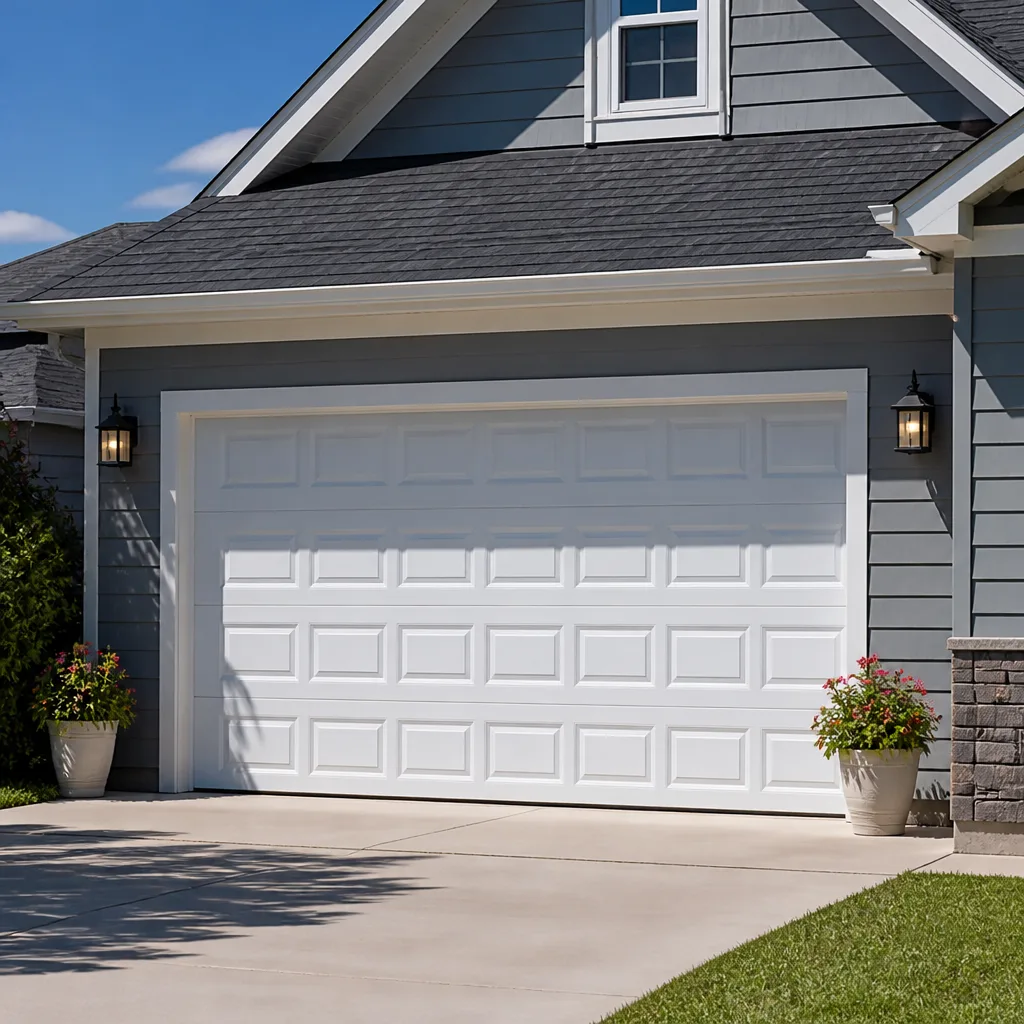 Raised-panel steel
 Carriage house
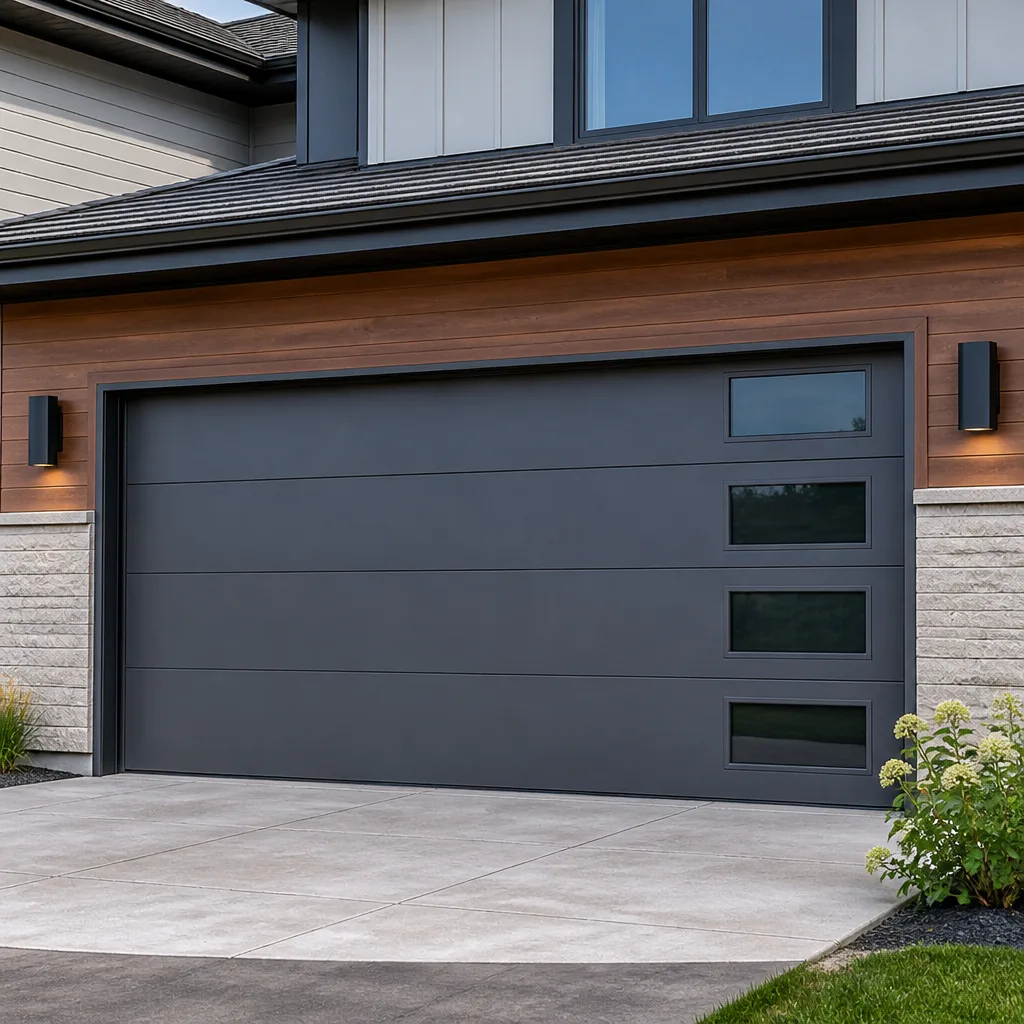 Modern flush
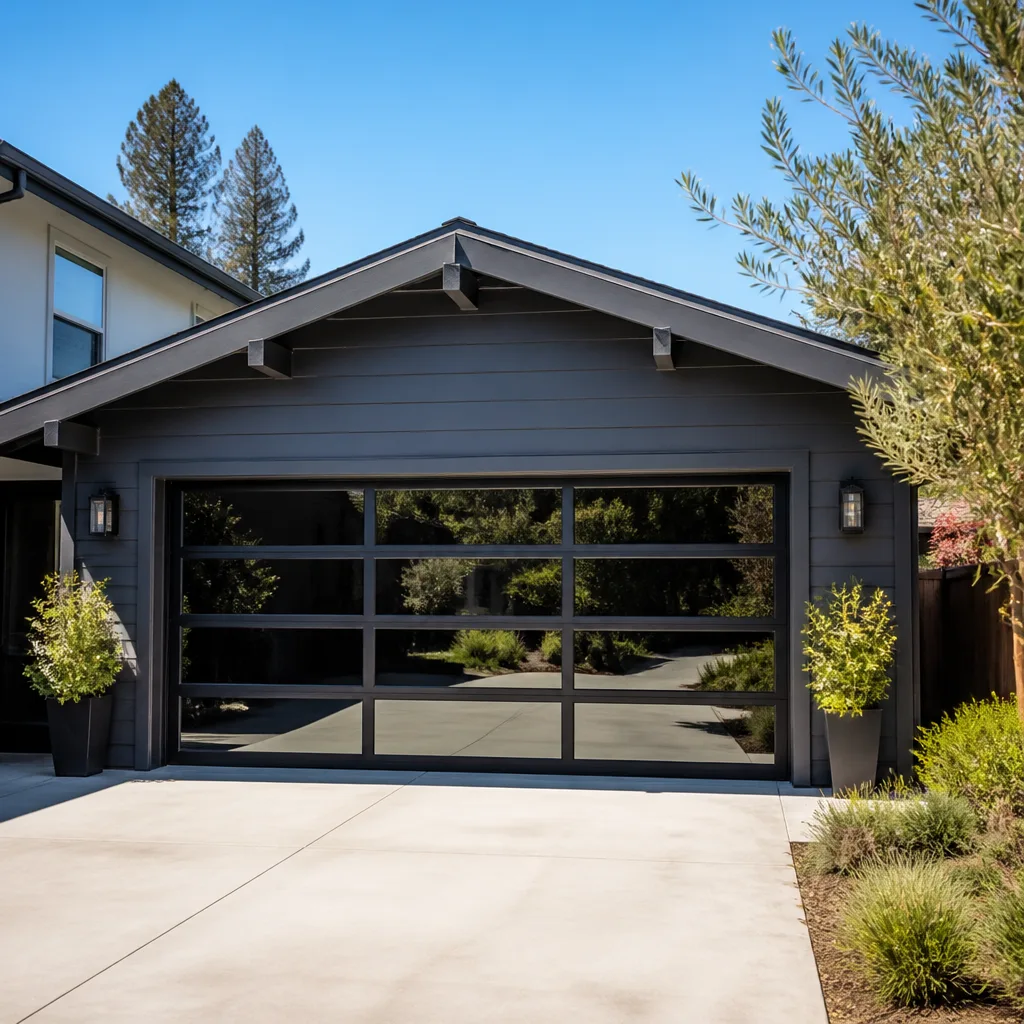 Full-view glass
 LiftMaster openers
 Chamberlain openers
Full 25-point door and opener safety check with every visit - springs, cables, rollers, tracks, and your LiftMaster or Chamberlain opener included
You get a price before we start. It does not change when the pro arrives.
Get your free estimateGarage Door Repair Maintenance Schedule: What to Do and When
The usual advice says lubricate your garage door twice a year and you’re done. That advice was written for climates that don’t sit at 90% humidity for months, don’t bake their steel in triple-digit summer heat, and don’t get airborne salt blown in off the water. In Corpus Christi, a six-month schedule is already behind by about six weeks. What follows is a month-by-month maintenance calendar built for the conditions your door actually lives in. You’ll learn which lubricants protect springs and hinges versus which ones quietly ruin them, how to test spring balance and reverse force without a single tool, and which parts are worth maintaining versus which are cheaper to replace on a schedule.
Quick Answer
In Corpus Christi, a garage door needs lubrication every 60 to 90 days instead of twice a year, a full safety and hardware inspection at the start of hurricane season in June, a post-storm check each fall, and an anti-corrosion pass during the damp winter window from January into February. National schedules assume dry air and mild swings. Our heat, humidity and storm season compress that timetable, so the door needs attention sooner and more often.
Styles & brands we work with
- Raised-panel steel
- Carriage house
- Modern flush
- Full-view glass
- LiftMaster openers
- Chamberlain openers
Table of Contents
- Why Corpus Christi Doors Age Differently
- The Month-by-Month Maintenance Calendar
- Which Lubricants to Use (and Which to Avoid)
- How to Test Spring Balance and Reverse Force Without Tools
- Maintenance That Extends Life vs. Maintenance That Only Masks Wear
- Realistic Component Lifespans in Corpus Christi Conditions
- Common Mistakes to Avoid
- When to Call a Professional
Why Corpus Christi Doors Age Differently
Your garage door is a large moving assembly of steel, aluminum or wood, and every part of it reacts to the air around it. The national maintenance advice most sites repeat was calibrated for a mild, dry climate with a short winter and a long stretch of stable temperatures. Corpus Christi doesn’t fit that model. Here the door lives through high humidity that keeps surfaces damp, intense summer heat that expands metal and stresses springs, and a hurricane season that turns one bad wind event into a door that’s out of balance or off its track.
The three factors that matter most:
- Humidity. Prolonged moisture speeds up corrosion on hinges, hinges’ rivets, roller stems and the bottom section’s steel skin. It also thins the lubricant film faster, which means metal grinds against metal sooner.
- Heat cycles. Steel tracks and sections expand in the afternoon heat and contract overnight. Over a season, that constant movement loosens bolts and can throw a roller slightly out of its track.
- Storm season. Wind-driven rain and debris load the door unevenly. A door that passed a balance check in May can be out of alignment by October.
None of this is cause for alarm. It simply means your maintenance calendar needs to follow local conditions, not a generic twice-a-year reminder. We work on doors across Corpus Christi every week, and the pattern is consistent: hardware wears on the coast’s timetable, not the calendar printed on a national blog.
The Month-by-Month Maintenance Calendar
Here’s the schedule we recommend for a Corpus Christi home, organized by month so you can fold it into your regular household upkeep. Some months are quick visual checks; a few are worth setting aside a half hour.
- January: Start the corrosion watch. Check hinges, the bottom edge of the door and roller stems for rust. Wipe down any surface corrosion and apply a protective lubricant. Cold, damp air is when moisture lingers longest on steel.
- February: Follow up the winter corrosion check. Re-inspect any spots you treated in January. Tighten the bolts on the hinges and the track brackets with a socket wrench.
- March: Test the balance of the door (see the section below) and confirm the auto-reverse works. Lubricate springs, hinges, rollers and tracks if it’s been roughly 90 days.
- April: Look over the weather seal along the bottom sill and the sides. Heat and humidity age the rubber and vinyl seal quickly. A worn seal lets wind and moisture in during storm season.
- May: Pre-season hardware pass. Check cable condition visually for fraying, look at roller wear, and confirm the tracks are straight and clean. Do not adjust spring tension yourself; call a technician if the door pulls or feels unbalanced.
- June: The pre-hurricane-season inspection. This is the big one. Full hardware check, balance test, reverse test, and a look at the door’s anchoring and bracing. It’s the most important month on the Corpus Christi calendar.
- July and August: Heat stress months. A light monthly spray of lubricant on springs and hinges keeps the film from burning off in the peak summer heat. Listen for new squeaks.
- September and October: Post-storm assessment. After any significant wind event, check the tracks, rollers and balance. Fall is also a good time for a professional inspection before the damp winter returns.
- November and December: Transition months. As humidity shifts, do a final corrosion check and a balance test, then let the door settle into the winter corrosion window that begins in January.
The short version: lubricate on a 60 to 90 day rhythm, and let June, September and January drive the bigger checks. The calendar isn’t the point; the rhythm is.
Which Lubricants to Use (and Which to Avoid)
This is the single most important section of the guide, because the wrong product can cause more harm than skipping the job. Spring, hinge and roller lubrication calls for a garage-door-rated white lithium grease or a silicone-based spray made for overhead doors. Tracks are different: they get a very thin silicone spray, or in many cases a wipe-down with a dry cloth, because too much greasy product in the track collects dust and grit.
Here’s the breakdown by component:
- Springs: A garage-door white lithium grease applied to the coil surfaces. Never use a heavy household grease that attracts dirt and hardens.
- Hinges: A light lithium spray on the pivot points. Work the door up and down a few times so the product spreads.
- Rollers: A few drops of garage-door lubricant on the roller stem, not the roller wheel itself.
- Tracks: A thin silicone spray, wiped on, or simply a clean dry cloth. Not grease.
- Chains (opener drives): A chain-drive opener chain takes a heavier chain lubricant made for the purpose, not silicone.
What to avoid: WD-40 and similar general-purpose penetrating oils. In a humid climate, these products are solvents and light oils, not long-lasting lubricants. They lift existing grease, leave a thin film that disappears in days, and can leave springs and hinges dry and unprotected, which in salty coastal air is exactly the condition corrosion wants. They’re fine for freeing a rusted bolt; they’re the wrong product for routine door maintenance.
One caution while you’re here: springs are under extreme tension, and cables are under heavy load. Lubricate and inspect the visible coils and hardware, but never try to adjust tension, unhook a cable, or take a spring apart yourself. That’s a job for a trained technician.
How to Test Spring Balance and Reverse Force Without Tools
You can catch a worn spring or a misaligned door long before it fails, and it takes about five minutes and no tools. These two tests are the fastest way to know whether your door needs a garage door repair call or is running fine. Do them with the opener disengaged, so you’re moving the door by hand.
Test 1: The Balance Test
- Pull the red emergency release handle to disconnect the opener. On most doors this is a cord hanging from the opener rail.
- Lift the door by hand to roughly waist height and let it go.
- A balanced door should stay put, or drift only slightly. A door that drops on its own, or that’s very hard to lift and feels heavy, is telling you the springs are wearing or out of adjustment.
- Hold the door gently at chest height and check that it stays level. A door that sags on one side points to a cable, track or hinge problem.
Test 2: The Reverse Test
- Reconnect the opener and press the wall button to raise the door.
- Lay a flat piece of wood, like a small board or a brick, on the floor directly under the door.
- Press the close button. The door should reverse within a couple of inches of contacting the object.
- Also try the photo-eye safety reverse: wave an object between the sensors mounted at the base of the tracks. The door should stop and go back up.
If either test fails, don’t keep using the door. A door that won’t reverse is a safety hazard, and a door that falls when released could come down on a person. Both are reasons to call a specialist rather than keep working the door. If the opener side is the issue, that’s a separate repair from the door itself, which is why we treat garage door opener repair as its own discipline rather than a side note.
Maintenance That Extends Life vs. Maintenance That Only Masks Wear
Not every maintenance task buys you more time. Some genuinely slow wear and add years to a component; others just quiet a symptom while the underlying part keeps deteriorating. Knowing the difference keeps you from skipping a real repair because the door suddenly went quiet.
Tasks that extend component life:
- Regular lubrication. It reduces friction, which directly slows wear on hinges, rollers and spring coils.
- Keeping tracks clean and straight. Alignment issues cause uneven load on rollers and cables, so correcting them early adds life.
- Replacing worn rollers on schedule. Rollers are inexpensive and a worn one can damage a track if left too long.
- Replacing the weather seal. A failed seal lets moisture in, which feeds corrosion inside the door.
- Tightening loose bolts. Loose hardware accelerates wear on nearby parts.
Tasks that only mask wear:
- Spraying a noisy hinge or roller with a general-purpose oil and calling it done. It quiets the sound, but the oil evaporates and the part keeps grinding.
- Over-greasing a track. It hides friction noise but attracts grit that wears the rollers faster.
- Adjusting the opener’s force setting upward to compensate for a heavy, out-of-balance door. The door still has a spring problem; you’ve just made the opener work harder until it fails too.
- Painting over rust on hinges. Cosmetic only; the metal underneath keeps corroding.
The rule of thumb: real maintenance reduces load and friction. Masking reduces the sound. If a task only changes what you hear, it’s not maintenance.
Realistic Component Lifespans in Corpus Christi Conditions
National averages assume a mild, dry climate. In Corpus Christi’s heat, humidity and storm exposure, most moving parts live somewhat shorter lives than the published numbers, and the difference matters when you’re planning a budget. These are realistic ranges for a well-maintained door.
- Torsion springs: National average is often quoted as 10,000 to 15,000 cycles, which for a typical family door is roughly seven to ten years. In our heat, expect the shorter end of that, especially if the door isn’t lubricated regularly.
- Rollers: National advice says every five to seven years. In a coastal climate, plan on the shorter end, and inspect them every year during your June check.
- Hinges: Steel hinges generally last as long as the door sections, but their rivets and pivots wear faster; inspect them annually.
- Weather seal: One to three years. This is the fastest-wearing part on the door, and the most overlooked.
- Cables: Typically six to ten years, sooner if they show fraying or rust.
- Opener: A chain or belt drive opener generally runs ten to fifteen years. Smart openers and belt drives on Amarr and Wayne Dalton doors often hold up well, but heat and constant use shorten that range.
What this means for budgeting: the door itself is a decades-long asset, but its moving parts, springs, rollers, seal and cables, are consumables. If you’ve owned the home for several years and don’t know when those parts were last replaced, that’s the moment to plan for a replacement rather than wait for a failure on a Sunday.
Common Mistakes to Avoid
- Following the twice-a-year schedule to the letter. In Corpus Christi humidity, that leaves the door unprotected for long stretches. Aim for every 60 to 90 days instead.
- Spraying WD-40 on the springs and hinges. It’s a solvent, not a lasting lubricant. It strips the protective grease and leaves steel exposed to damp air, which is the opposite of what your door needs here.
- Skipping the June inspection. Hurricane season is the single most demanding stretch on a garage door. A pre-season balance and hardware check is worth far more than a rushed fix after a storm.
- Increasing the opener’s force setting to fix a heavy door. That’s a symptom of a spring problem, not an opener problem. You’ll wear out the opener and still have an unsafe door.
- Greasing the tracks. Tracks need to stay clean and dry, with a light silicone spray at most. Grease on the track collects grit and wears rollers.
- Doing the balance test with the opener connected. You can’t judge whether the door is balanced if the opener motor is holding it. Always pull the release first.
- Ignoring a noisy door until it stops. A squeak or a sagging door is an early warning. Catching it during a routine check usually means a small, inexpensive fix instead of a bigger repair later.
When to Call a Professional
Some jobs are do-it-yourself; some genuinely aren’t. Call a technician if you see any of the following.
- A spring is broken or a cable is frayed or unhooked. Springs are under extreme tension and cables carry the door’s full weight; both can injure a homeowner badly if handled wrong.
- The door won’t stay balanced, drops when you let it go, or feels very heavy.
- The auto-reverse fails either the object test or the photo-eye test.
- The door is visibly off its track, or the tracks are bent.
- The opener runs but the door doesn’t move, or the door only opens partway.
For anything electronic, including smart openers and connected drive systems, a specialist is the right call; electronic faults on LiftMaster and Chamberlain units need proper diagnosis, not guesswork. Spencer Garage Door Repair offers free estimates in Corpus Christi. Call (866) 389-3763. We answer 24/7. Fast dispatch from 7am to 7pm, Sunday through Friday. The estimate is free, and the price is quoted and agreed before any work starts.
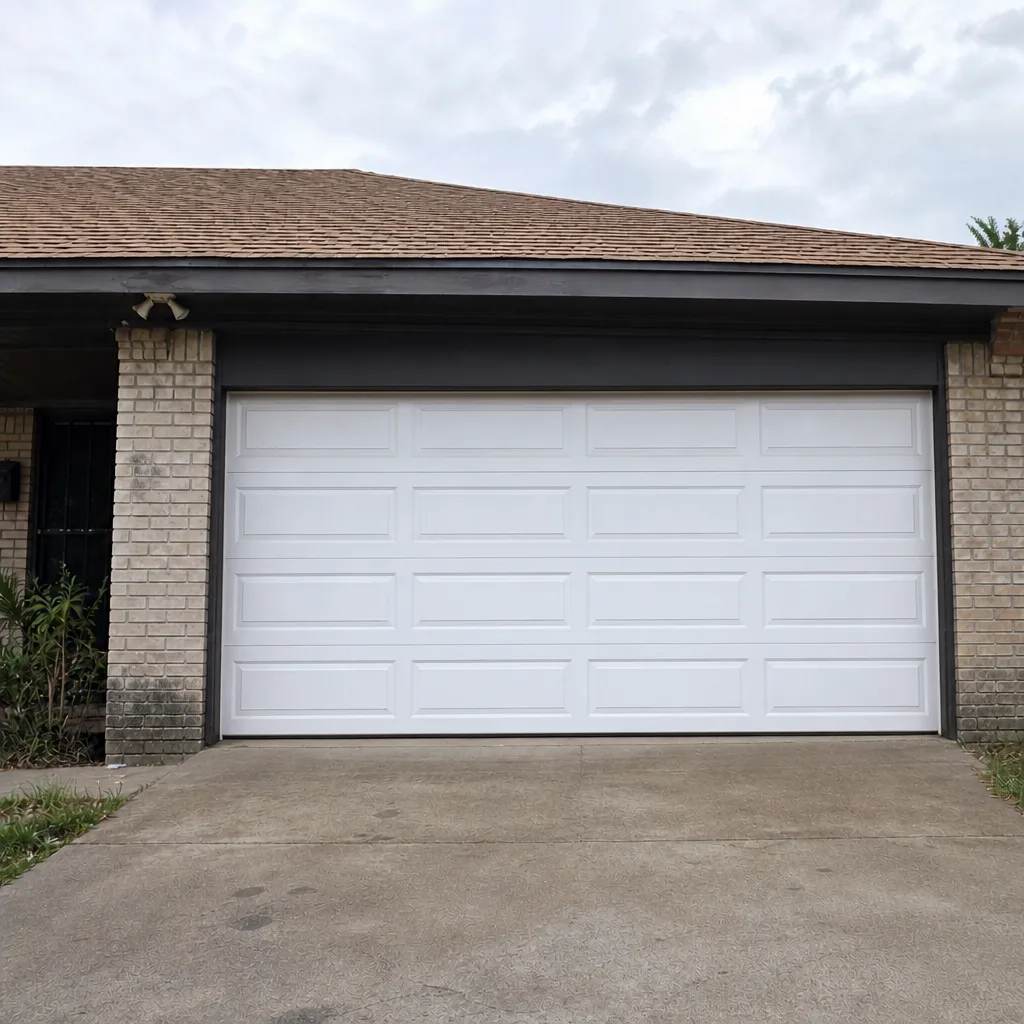
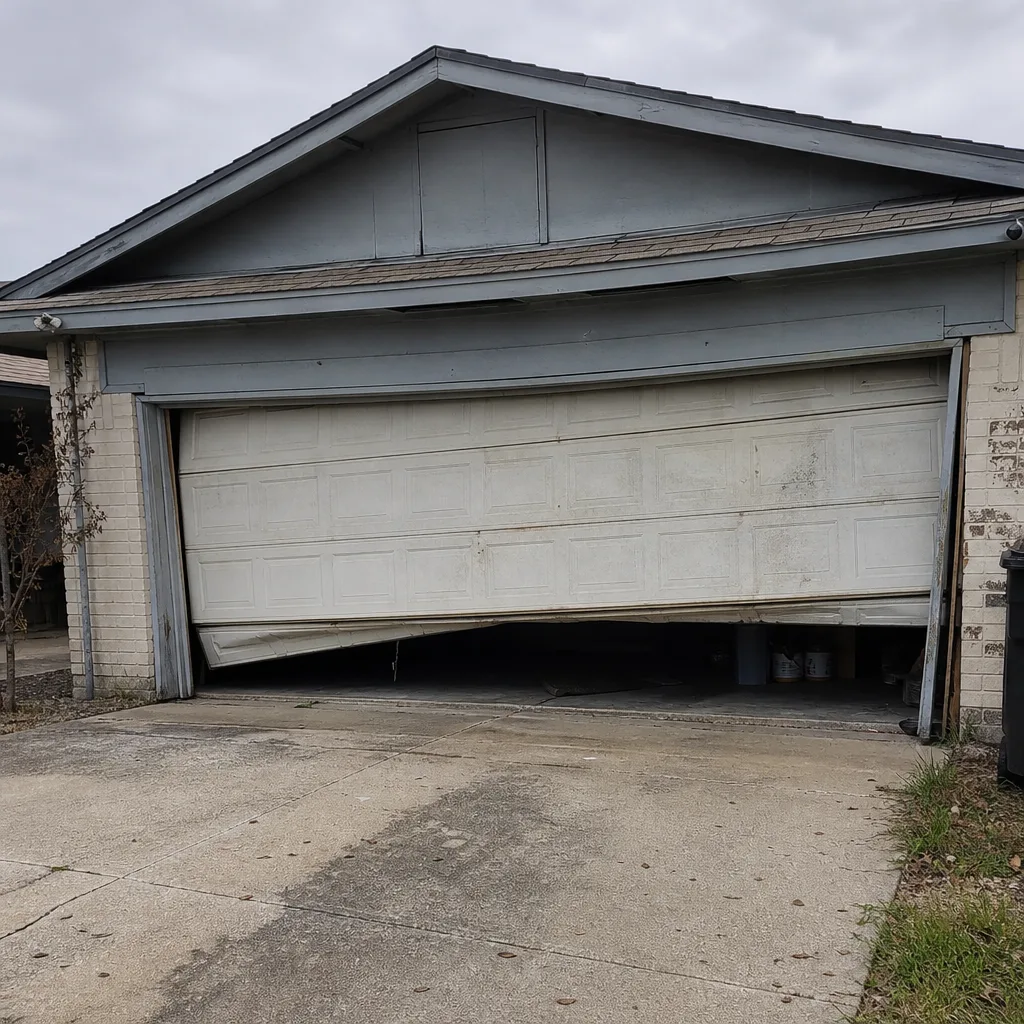
See the difference
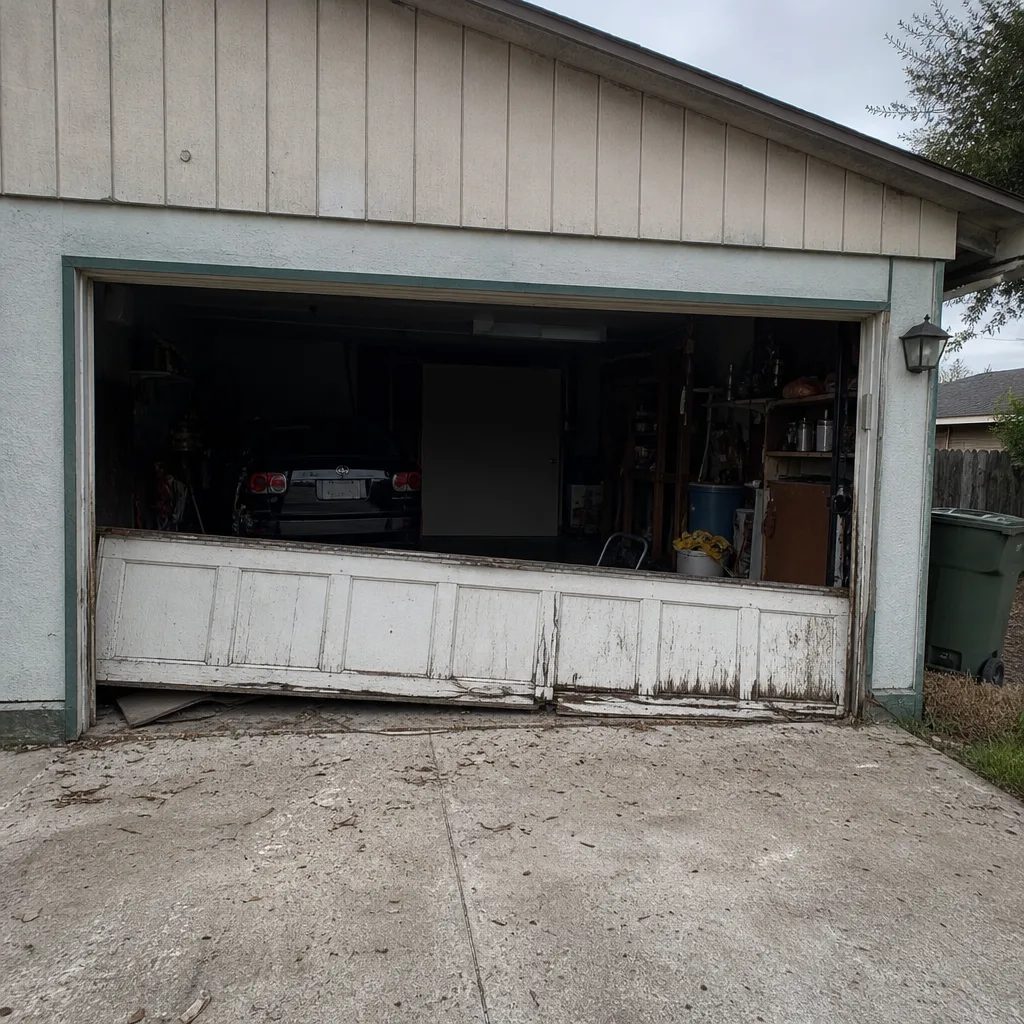 Before
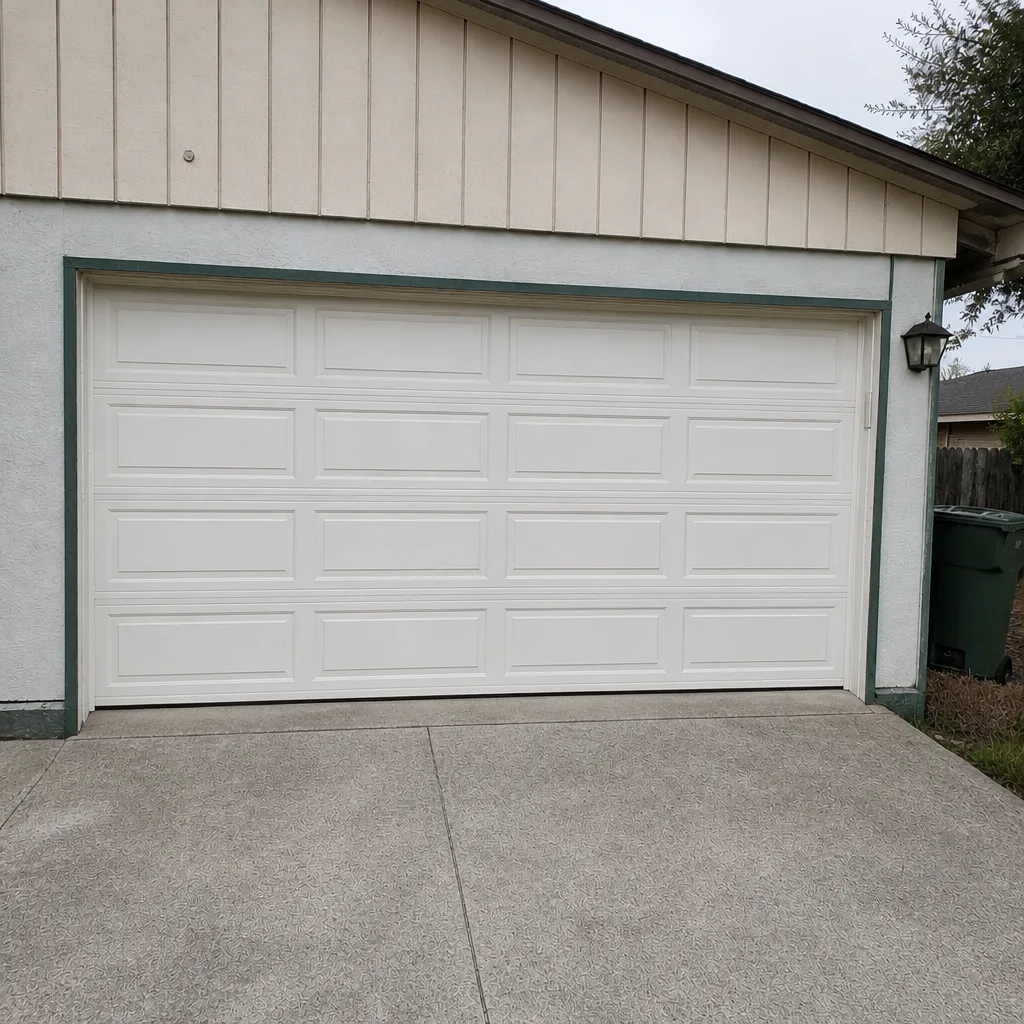 After
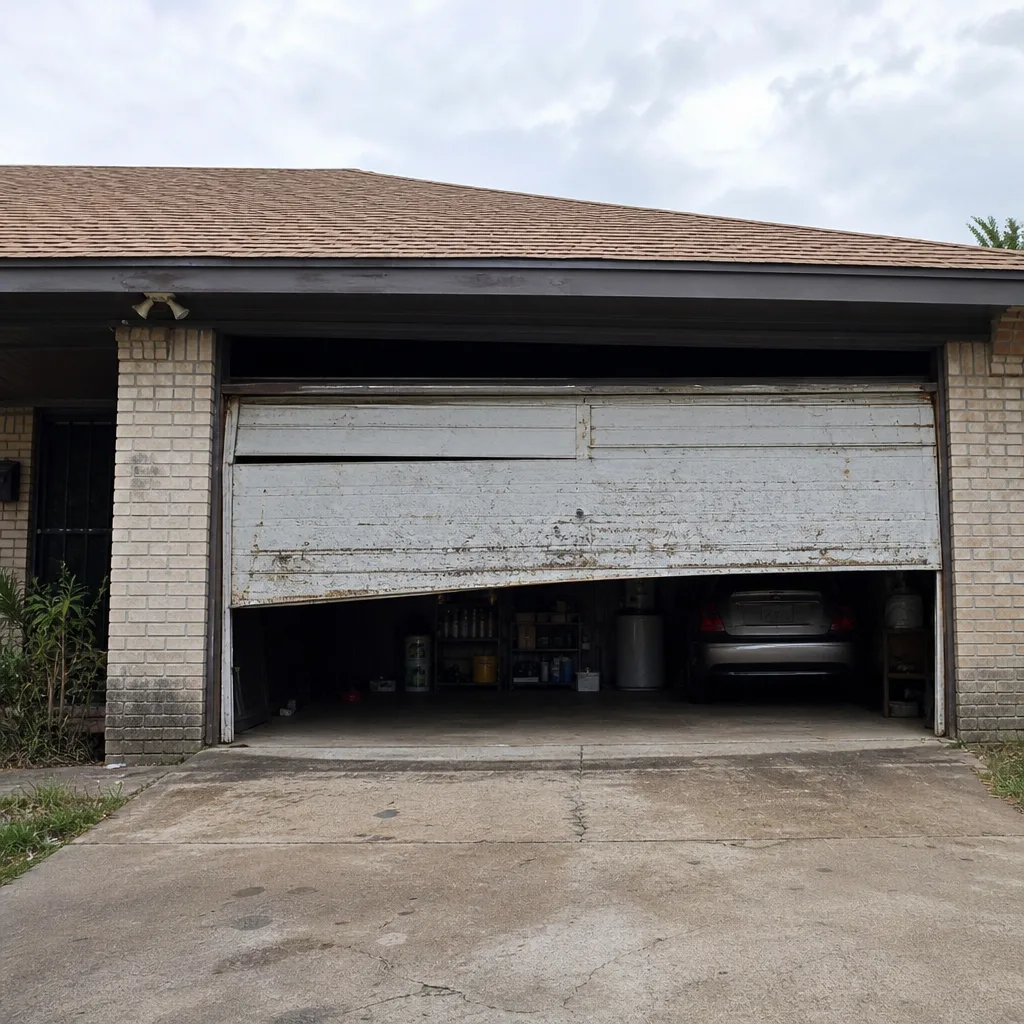 Before
 After
 Before
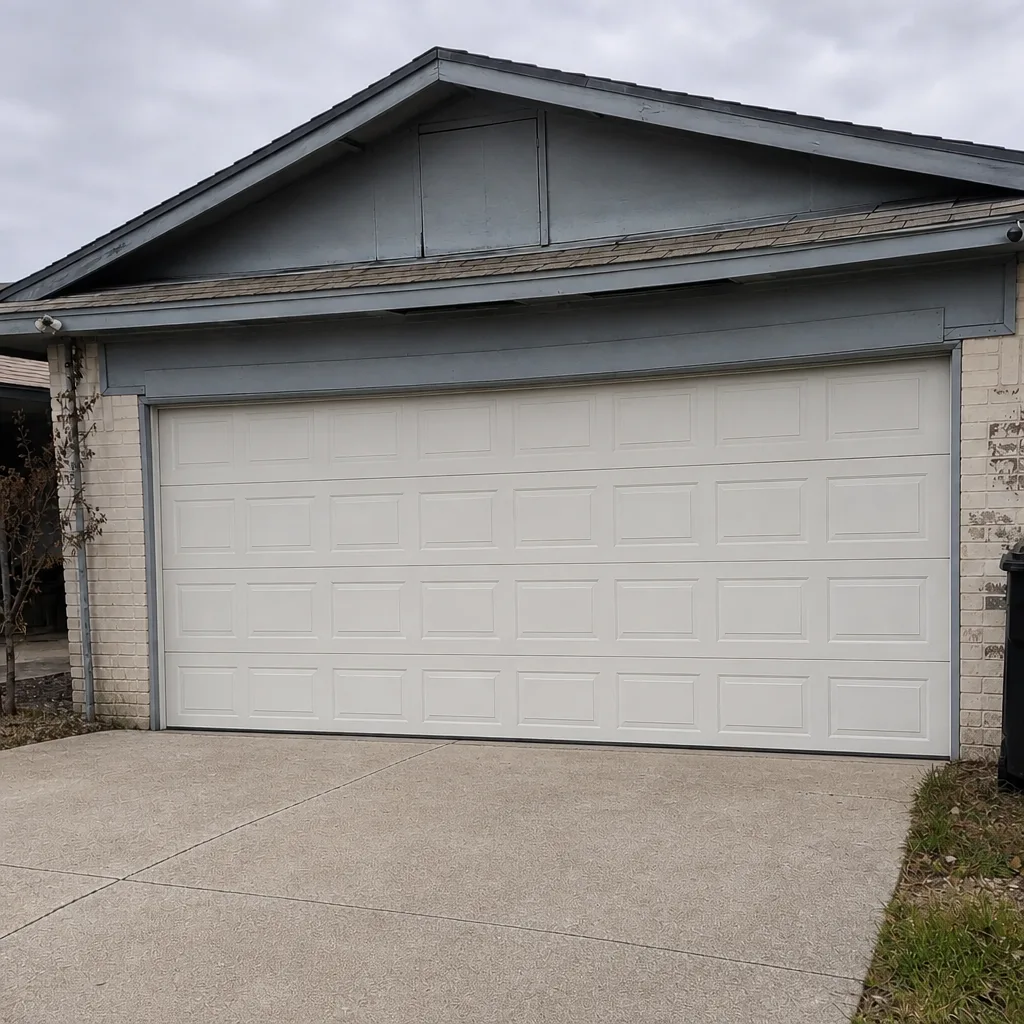 After
Frequently Asked Questions
Every 60 to 90 days, not twice a year. The heat and humidity in Corpus Christi burn off lubricant film faster than in dry climates, so a seasonal schedule leaves springs and hinges under-protected for weeks longer than the door needs.
A garage-door-rated white lithium grease or silicone spray made for overhead doors. Avoid general-purpose penetrating oils like WD-40, which are solvents that strip existing grease and don’t leave the lasting film your door needs in humid air. Call (866) 389-3763 if you’re unsure what’s already on your door.
Yes. Pull the opener’s red release handle, lift the door by hand to waist height, and let it go. A balanced door holds its position or drifts only slightly. A door that drops, or that’s very hard to lift, needs professional attention.
Often the shorter end of the seven-to-ten-year range, because heat and humidity wear springs faster than the dry climates national numbers assume. Regular lubrication is the single best thing you can do to stretch their life.
In June, before storm season peaks. A balance test, hardware check and reverse test at the start of the season catch problems while there’s still time to fix them on a normal schedule rather than in the middle of storm recovery.
Not always, and that’s the reason not to ignore it. A squeak is often a dry hinge or a worn roller, both small fixes. But a grinding noise or a door that shudders can mean a failing spring or open, so it’s worth a professional look. Call (866) 389-3763 for a free estimate.
Where to Start
The right schedule for a Corpus Christi door has three anchors: lubricate every 60 to 90 days, inspect hard in June before hurricane season, and do a corrosion and balance check through the winter. Use the balance test and reverse test monthly; they catch wear before it becomes a breakdown. Keep the right lubricants on hand, use white lithium on springs and hinges and silicone on tracks, and skip the general-purpose oils. Realistic lifespans in this climate run shorter than the national numbers, so plan a replacement budget for rollers, seal, springs and cables before they fail.
Garage doors are all we do. Our technicians have up to 15 years of experience across LiftMaster, Chamberlain, Genie, Clopay, Amarr, Wayne Dalton, Craftsman and Raynor systems, so whether you’re maintaining what you have or planning a replacement, we can diagnose it properly. For Corpus Christi homeowners who want a straight answer, we’re the specialist to call. Learn more at Spencer Garage Door Repair.
Call (866) 389-3763 for a free estimate. We answer 24/7. Fast dispatch from 7am to 7pm, Sunday through Friday. The written estimate is the price, so there are no surprises after the work starts.
Written by the team at Spencer Garage Door Repair.